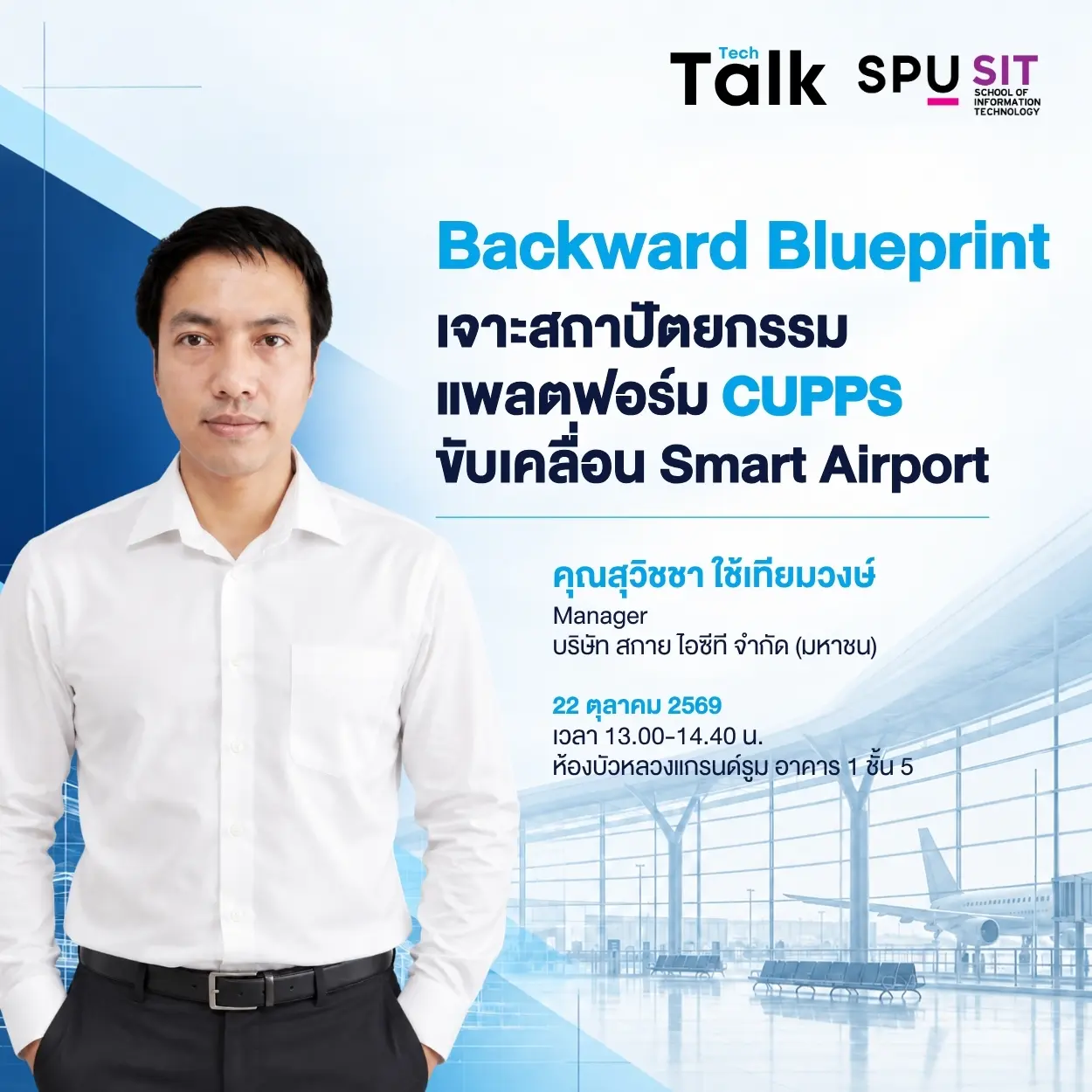
คณะเทคโนโลยีสารสนเทศ ม.ศรีปทุม จัด Tech Talk เรียนรู้การออกแบบสถาปัตยกรรมแพลตฟอร์ม CUPPS จากผู้เชี่ยวชาญ SKY ICT เชื่อมความต้องการทางธุรกิจสู่การพัฒนาระบบเทคโนโลยีระดับองค์กร
สนามบินอัจฉริยะไม่ได้เริ่มต้นจากการเลือกใช้เทคโนโลยีที่ทันสมัยที่สุด แต่เริ่มจากคำถามสำคัญว่า ผู้โดยสารและผู้ปฏิบัติงานต้องการอะไร และระบบเบื้องหลังควรถูกออกแบบอย่างไรให้ตอบโจทย์การใช้งานจริง
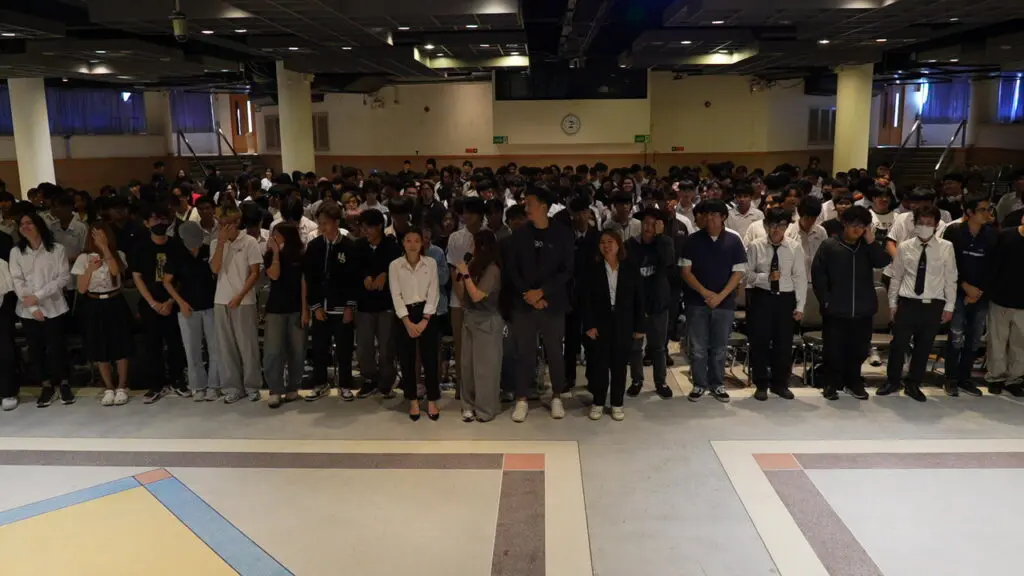
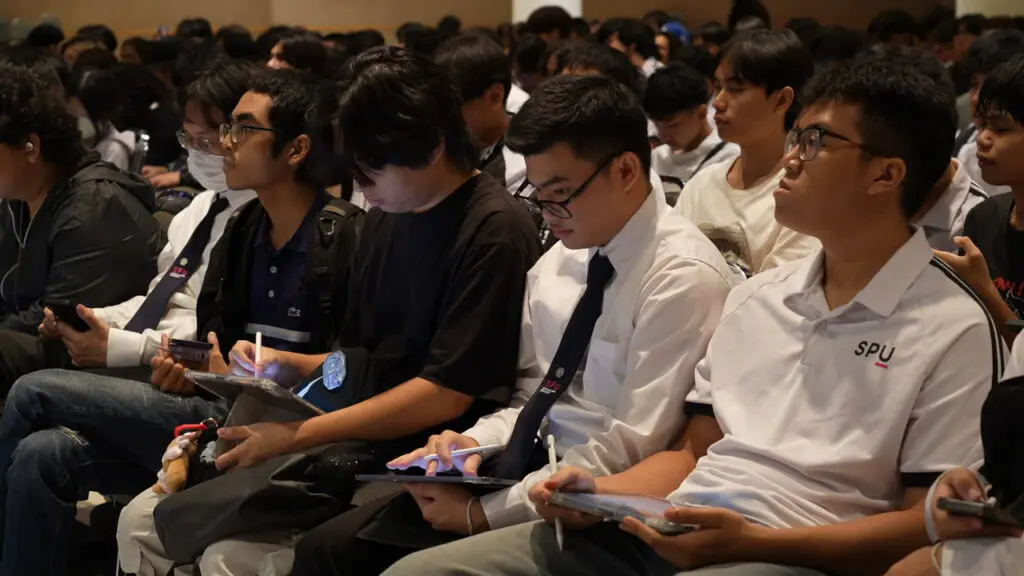
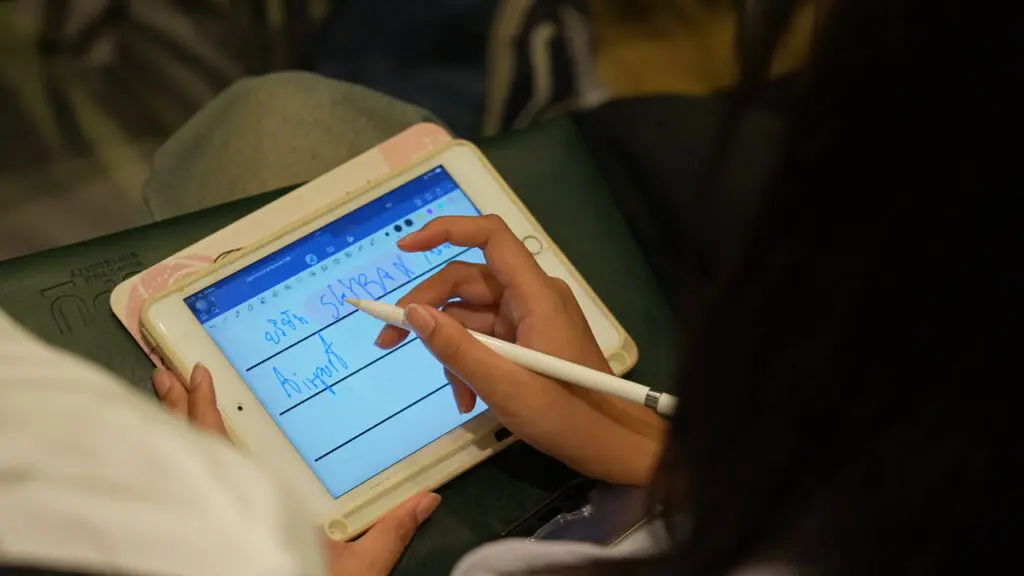
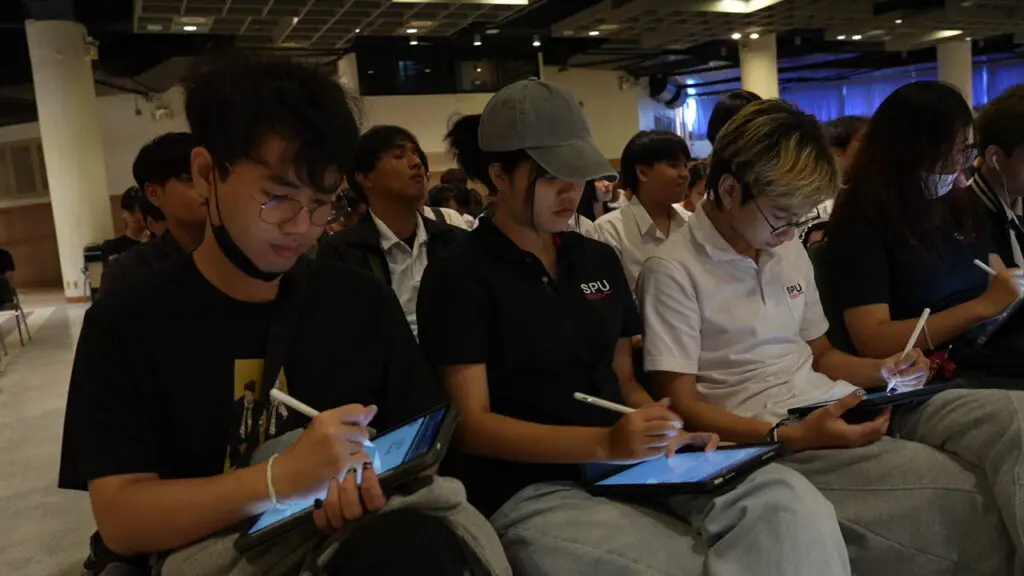
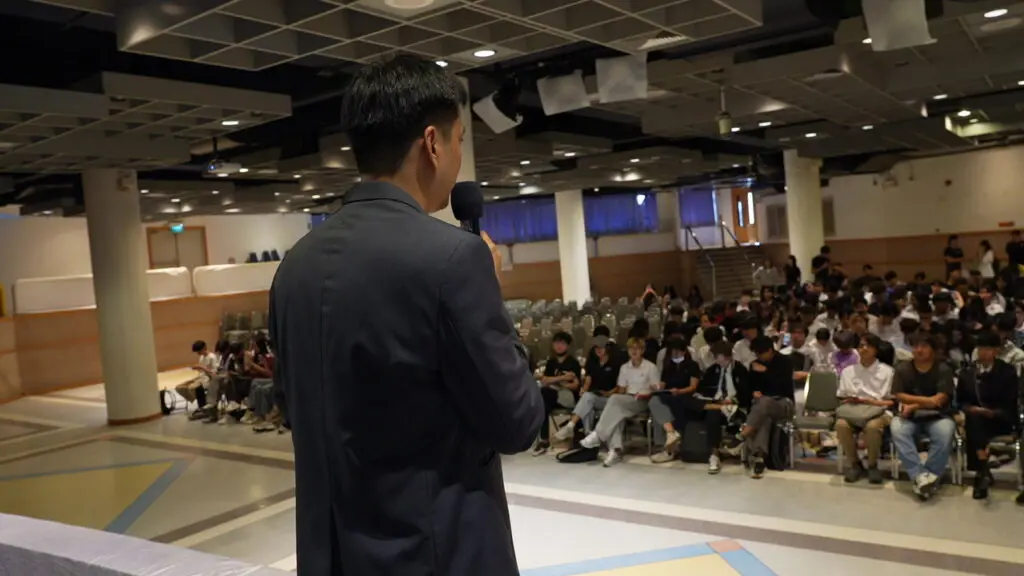
คณะเทคโนโลยีสารสนเทศ มหาวิทยาลัยศรีปทุม (SPU SIT) เปิดมุมมองการเรียนรู้ผ่านกิจกรรม Tech Talk: Smart Airport Technology & Backward Blueprint ชวนนักศึกษาทำความเข้าใจแนวคิดการออกแบบสถาปัตยกรรมระบบเทคโนโลยีสำหรับสนามบินอัจฉริยะ โดยเชื่อมโยงความต้องการทางธุรกิจเข้ากับกระบวนการออกแบบระบบสารสนเทศระดับองค์กร
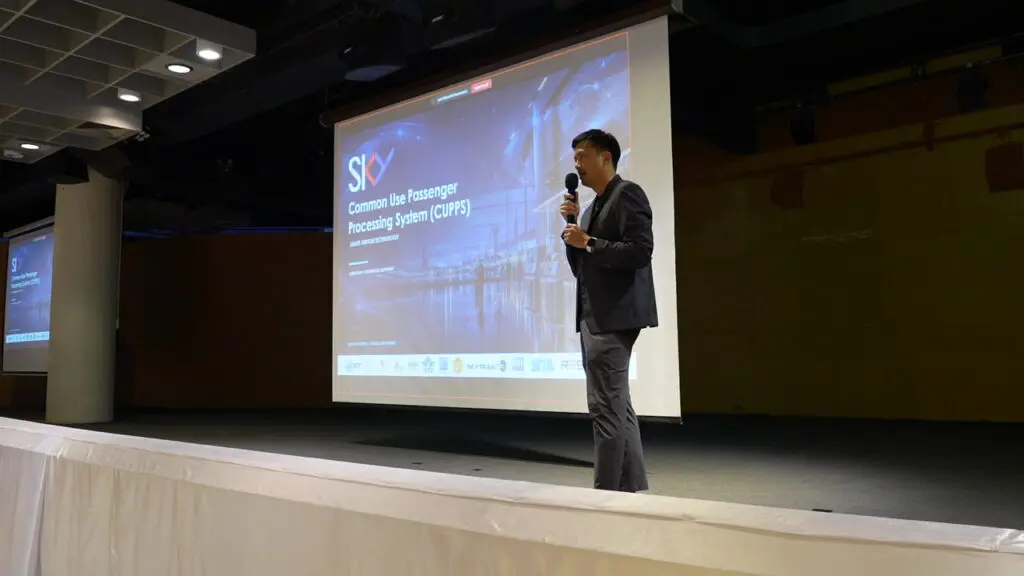
กิจกรรมได้รับเกียรติจาก คุณสุวิชชา ใช้เทียมวงษ์ ตำแหน่ง Manager บริษัท สกาย ไอซีที จำกัด (มหาชน) (SKY ICT) ร่วมถ่ายทอดมุมมองและประสบการณ์ด้านการออกแบบระบบเทคโนโลยีที่เกี่ยวข้องกับอุตสาหกรรมการบิน
หนึ่งในประเด็นสำคัญคือ CUPPS (Common Use Passenger Processing Systems) แพลตฟอร์มที่สนับสนุนการใช้ระบบบริการผู้โดยสารร่วมกันภายในสนามบิน เช่น การให้บริการเช็กอินและกระบวนการที่เกี่ยวข้องกับการเดินทาง ซึ่งต้องอาศัยการเชื่อมโยงระบบและการออกแบบสถาปัตยกรรมเทคโนโลยีให้รองรับการทำงานของผู้เกี่ยวข้องหลายฝ่าย
หัวใจของการเรียนรู้คือแนวคิด Backward Blueprint ซึ่งชวนให้นักศึกษาเปลี่ยนวิธีคิดจากการเริ่มต้นด้วยเครื่องมือหรือเทคโนโลยี มาเป็นการทำความเข้าใจเป้าหมายทางธุรกิจและความต้องการของผู้ใช้งานก่อน แล้วจึงย้อนกลับมาออกแบบองค์ประกอบของระบบให้เหมาะสม
แนวคิดนี้ช่วยให้นักศึกษาเห็นความสัมพันธ์ระหว่าง Business Requirements, System Architecture และ Technology Implementation ว่าการสร้างระบบขนาดใหญ่ไม่ได้ขึ้นอยู่กับความสามารถในการเขียนโปรแกรมเพียงอย่างเดียว แต่ยังต้องอาศัยการวิเคราะห์ปัญหา การวางแผน การออกแบบระบบ และความเข้าใจบริบทการดำเนินงานขององค์กร
สำหรับนักศึกษาสายเทคโนโลยีสารสนเทศ การเรียนรู้จากกรณีศึกษาสนามบินอัจฉริยะเป็นโอกาสในการเปิดโลกการทำงานด้าน Enterprise Architecture, Systems Integration และ Digital Infrastructure ซึ่งเป็นทักษะสำคัญในการพัฒนาระบบที่มีผู้ใช้งานและกระบวนการทำงานหลากหลาย
กิจกรรมนี้สะท้อนการเชื่อมโยงองค์ความรู้จากภาคอุตสาหกรรมเข้าสู่การศึกษา โดยสอดคล้องกับ SDG 4 เป้าหมายย่อย 4.4 การเพิ่มทักษะด้านเทคนิคและวิชาชีพที่จำเป็นต่อการจ้างงาน ผ่านการเรียนรู้แนวคิดออกแบบระบบระดับองค์กร และเชื่อมโยงกับ SDG 9 เป้าหมายย่อย 9.5 การเสริมสร้างขีดความสามารถด้านเทคโนโลยีและนวัตกรรม ในมิติการสร้างความเข้าใจเกี่ยวกับโครงสร้างพื้นฐานดิจิทัลและการประยุกต์เทคโนโลยีในอุตสาหกรรม
นอกจากนี้ การเชิญผู้เชี่ยวชาญจาก SKY ICT มาถ่ายทอดประสบการณ์ยังสะท้อนการเชื่อมโยงระหว่างมหาวิทยาลัยกับภาคธุรกิจ ซึ่งเป็นพื้นฐานของการแลกเปลี่ยนองค์ความรู้และการพัฒนาบุคลากรเทคโนโลยีในอนาคต
เพราะระบบอัจฉริยะไม่ได้เกิดจากการเขียนโค้ดให้ซับซ้อนที่สุด แต่เกิดจากการเข้าใจปัญหาอย่างลึกซึ้ง แล้วออกแบบเทคโนโลยีให้ตอบโจทย์ผู้ใช้งานได้อย่างแท้จริง
นี่คืออีกหนึ่งแนวทางของ “เรียนกับตัวจริง ประสบการณ์จริง” ที่มหาวิทยาลัยศรีปทุมมุ่งส่งเสริมให้นักศึกษามองเห็นภาพการทำงานของเทคโนโลยีระดับองค์กร และเตรียมความพร้อมสู่การเป็นผู้พัฒนาระบบที่เข้าใจทั้งธุรกิจและเทคโนโลยี
Sripatum University Welcomes a SKY ICT Expert to Explore CUPPS Architecture and the Connection Between Business Requirements and Smart Airport Technology Design
A smart airport does not begin with choosing the most advanced technology. It begins with understanding what passengers, operators, and organizations actually need—and designing systems that respond to those needs.
The School of Information Technology at Sripatum University (SPU SIT) introduced students to the technology behind smart airports through a Tech Talk on Smart Airport Technology and Backward Blueprint, focusing on how business requirements influence enterprise system architecture.
The session featured Suwitcha Chaitiammong, Manager at SKY ICT Public Company Limited, who shared professional perspectives on technology architecture and the design of systems supporting airport operations.
A central topic was CUPPS (Common Use Passenger Processing Systems), a platform concept that enables shared passenger-processing infrastructure within airports. Such systems support activities including check-in and related passenger services, requiring careful integration across multiple operational stakeholders.
The session also explored Backward Blueprint, an approach that starts with desired business outcomes and user requirements before working backward to determine the appropriate system architecture and technical components.
This perspective helps students understand the relationship between business requirements, system architecture, and technology implementation. Building enterprise technology requires more than programming knowledge; it also demands analytical thinking, planning, integration skills, and a clear understanding of organizational processes.
By examining smart airport technology, students gain exposure to professional concepts in enterprise architecture, systems integration, and digital infrastructure, broadening their understanding of how complex technology systems are designed for real-world use.
The activity supports SDG 4, Target 4.4, by introducing employment-relevant technical knowledge and professional competencies. It also relates to SDG 9, Target 9.5, through learning about technological capabilities and innovation in industrial infrastructure.
The involvement of an industry professional from SKY ICT further demonstrates the value of connecting university education with practical expertise from the business sector.
Smart technology is not defined by complexity. Its real value comes from understanding problems and designing systems that serve people and organizations effectively.
Through its “Learn from Real Professionals, Gain Real Experience” philosophy, Sripatum University continues to prepare students to become technology professionals who understand both business needs and technical solutions.
#SPU #SPUSDGs #ITSPU #SmartAirport #EnterpriseArchitecture