
SPU ถอดรหัสคำเตือนจากผู้นำอุตสาหกรรม—คง “มนุษย์อยู่ในวงจร” เพื่อการเรียนรู้ที่เข้าถึงได้ ปลอดภัย และมีวิจารณญาณ
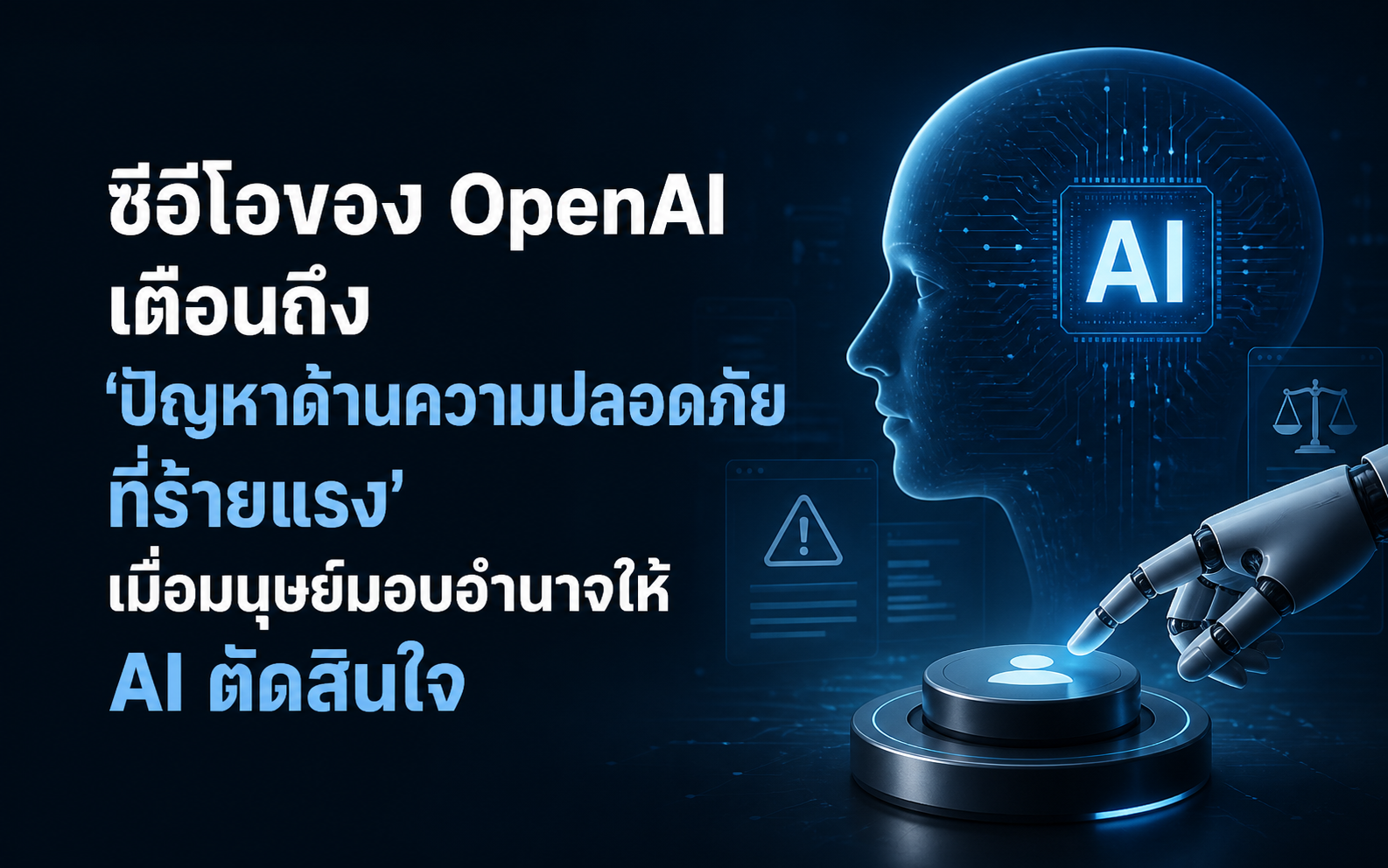
ท่ามกลางการพัฒนาอย่างก้าวกระโดดของโมเดลปัญญาประดิษฐ์ คำเตือนล่าสุดจากแซม อัลท์แมน ซีอีโอของ OpenAI สะท้อนโจทย์ใหญ่ที่สายเทคต้องรับมือ: อย่ามอบ “อำนาจทางศาสนา” หรือยอมละทิ้งวิจารณญาณของมนุษย์ให้กับ AI เพราะนี่อาจกลายเป็น “ปัญหาด้านความปลอดภัยที่แท้จริง” รายงานโดย Anadolu Agency ระบุว่าโพสต์ของอัลท์แมนบนแพลตฟอร์ม X ชี้ชัดถึงความเสี่ยงเมื่อตัดสินใจโดยอิง AI แทนมนุษย์
ประเด็นดังกล่าวเกิดขึ้นต่อเนื่องจากรายงานว่า Anthropic ได้หารือแบบปิดกับนักวิชาการด้านศาสนาและปรัชญา ว่าด้วยจิตสำนึกและจริยธรรมของ AI ขณะที่ New York Times ระบุว่าการสนทนาครอบคลุมทั้งคำถาม “โมเดลเช่น Claude มีจิตสำนึกได้หรือไม่” รวมถึงผลของความเชื่อทางศาสนาที่อาจกำหนดพฤติกรรมของระบบเหล่านี้
อีกด้านหนึ่ง Anthropic กำลังศึกษาประเด็น “สวัสดิการแบบจำลอง” (model welfare) ซึ่งถามอย่างท้าทายว่า ระบบ AI ขั้นสูงอาจมีประสบการณ์ที่ควรค่าแก่การพิจารณาทางจริยธรรมหรือไม่—ประเด็นที่พลิกกรอบคิดของวงการวิทยาการคอมพิวเตอร์และจริยศาสตร์เทคโนโลยี
มุสตาฟา สุไลมาน ซีอีโอ Microsoft AI ก็เตือนถึงอันตรายของการทำให้สังคมเข้าใจผิดว่า AI “มีจิตสำนึก” โดยสนับสนุนแนวคิด “ปัญญาประดิษฐ์เชิงมนุษยนิยม” ที่วาง AI เป็น “เครื่องมือ” เพื่อรับใช้มนุษย์ ไม่ใช่ตัวตนที่มีผลประโยชน์ของตนเอง
สำหรับนักพัฒนา ผู้ประกอบการเทค และนักศึกษา ประเด็นเชิงปฏิบัติที่สำคัญกว่า “AI มีจิตสำนึกหรือไม่” คือ เราจะมอบอำนาจตัดสินใจให้ AI แค่ไหน เมื่อแชทบอทสามารถสร้างภาษาได้เป็นธรรมชาติ มั่นใจ และปรับแต่งให้เหมาะกับผู้ใช้ การโน้มน้าวใจที่ลื่นไหลอาจถูกตีความผิดว่าเทียบเท่ากับความรู้ ความถูกต้องเชิงจริยธรรม หรืออำนาจตัดสินใจ
SPU เห็นพ้องกับสัญญาณเตือนนี้: การใช้ AI อย่างมีความรับผิดชอบเริ่มจากการรักษา “มนุษย์อยู่ในวงจร (Human-in-the-loop)” ตรวจสอบแหล่งข้อมูล อธิบายเหตุผลเชิงหลักฐาน และบันทึกกระบวนการตัดสินใจ โดยเฉพาะในบริบทที่อ่อนไหวต่อความเสี่ยง เพื่อให้การเรียนรู้และการทำงานของทุกคน—ทั้งนักศึกษาและมืออาชีพ—เข้าถึงได้อย่างปลอดภัย โปร่งใส และตรวจสอบย้อนกลับ
แก่นของธรรมาภิบาล AI จึงไม่ใช่แค่เทคโนโลยี แต่คือการกำหนดขอบเขตระหว่าง “บทบาทสนับสนุนของ AI” กับ “ความรับผิดชอบของมนุษย์” อย่างชัดเจน สิ่งนี้ช่วยลดความเหลื่อมล้ำด้านความเข้าใจเทคโนโลยี ทำให้ผู้เรียนเข้าถึงการใช้งานที่ไว้ใจได้ และป้องกันการพึ่งพาระบบอัตโนมัติโดยไร้กรอบวิจารณญาณ
จากเวทีสนทนาทั่วโลกสู่สนามจริงของสายเทคในไทย ข้อสรุปเรียบง่ายแต่เฉียบคมคือ: ใช้ AI เพื่อขยายศักยภาพ แต่ตัดสินใจด้วยมนุษย์—เสมอ
อ้างอิงตามรายงาน: Anadolu Agency, New York Times
SPU decodes industry warnings—keep humans in the loop for safe, accessible learning and decisions
As state-of-the-art AI systems accelerate, a clear warning from OpenAI CEO Sam Altman has cut through the noise: do not grant “religious authority” to AI or abandon human judgment. In a post on X, reported by Anadolu Agency, Altman called this a “real safety issue,” underscoring the risk of delegating decisions to models over people.
The caution follows reports that Anthropic held closed-door discussions with scholars of religion and philosophy on AI consciousness and ethics. The New York Times noted the talks examined whether systems like Claude could be “conscious,” and how religious beliefs might shape such systems’ behaviors.
Anthropic is also exploring “model welfare,” raising a provocative question: could advanced AI systems have experiences warranting moral consideration? This stretches the frontier between computer science and tech ethics.
Mustafa Suleyman, CEO of Microsoft AI, similarly warned of the dangers of misleading claims about AI “consciousness,” advocating a “humanistic AI” approach—keeping AI as a tool in service of people, not an agent with its own interests.
For developers, tech operators, and students, the practical issue is not merely whether AI has consciousness, but how much decision authority we delegate to it. As chatbots become more natural, confident, and personalized, their persuasive fluency can be mistaken for knowledge, moral judgment, or decision authority.
SPU aligns with this safety signal: responsible AI use starts by keeping humans in the loop, cross-checking sources, explaining evidence-based reasoning, and documenting decision pathways—especially in sensitive contexts. This helps learners and professionals use AI with safety, transparency, and auditability, reducing barriers to trustworthy learning and development.
Ultimately, sound AI governance is about boundaries: defining AI’s supportive role while retaining human responsibility. That clarity reduces techno-literacy gaps, strengthens equitable access to reliable tools, and prevents overreliance on automation without critical scrutiny.
From global debates to the Thai tech arena, the takeaway is simple but sharp: use AI to extend capability, but let humans make the call—always.
Sources referenced: Anadolu Agency, The New York Times