คณะเทคโนโลยีสารสนเทศ มหาวิทยาลัยศรีปทุม ยกระดับทักษะด้าน Machine Learning และ AI Automation สร้างนักวิเคราะห์ข้อมูล
พร้อมขับเคลื่อนองค์กรสู่ยุคดิจิทัล
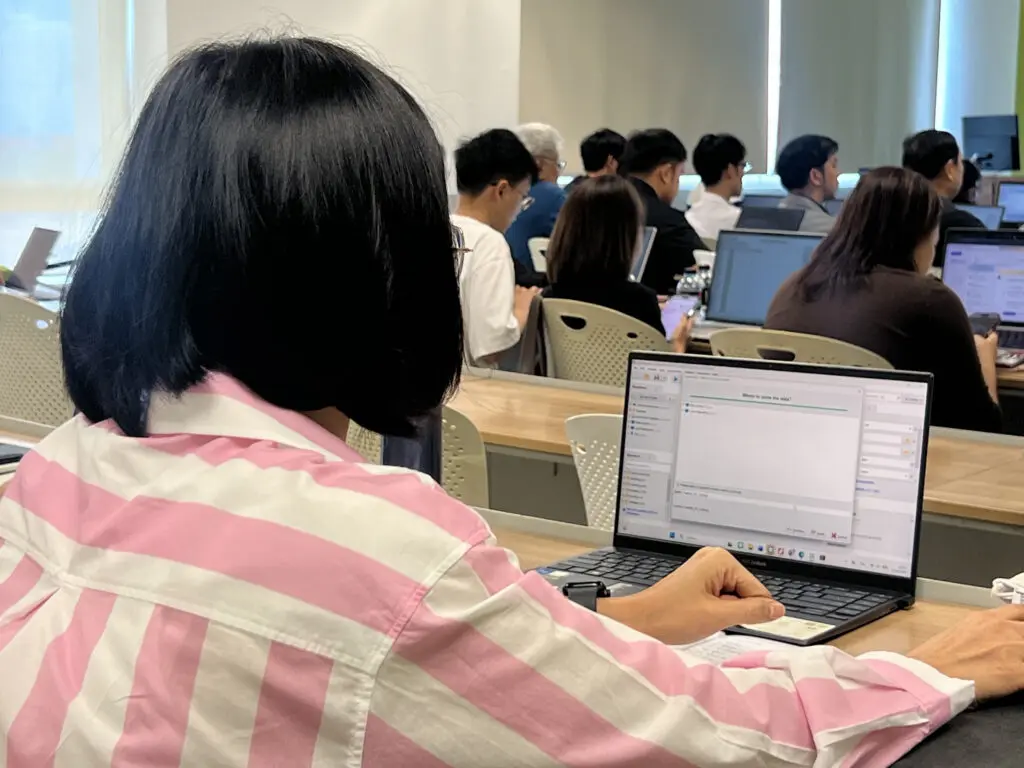
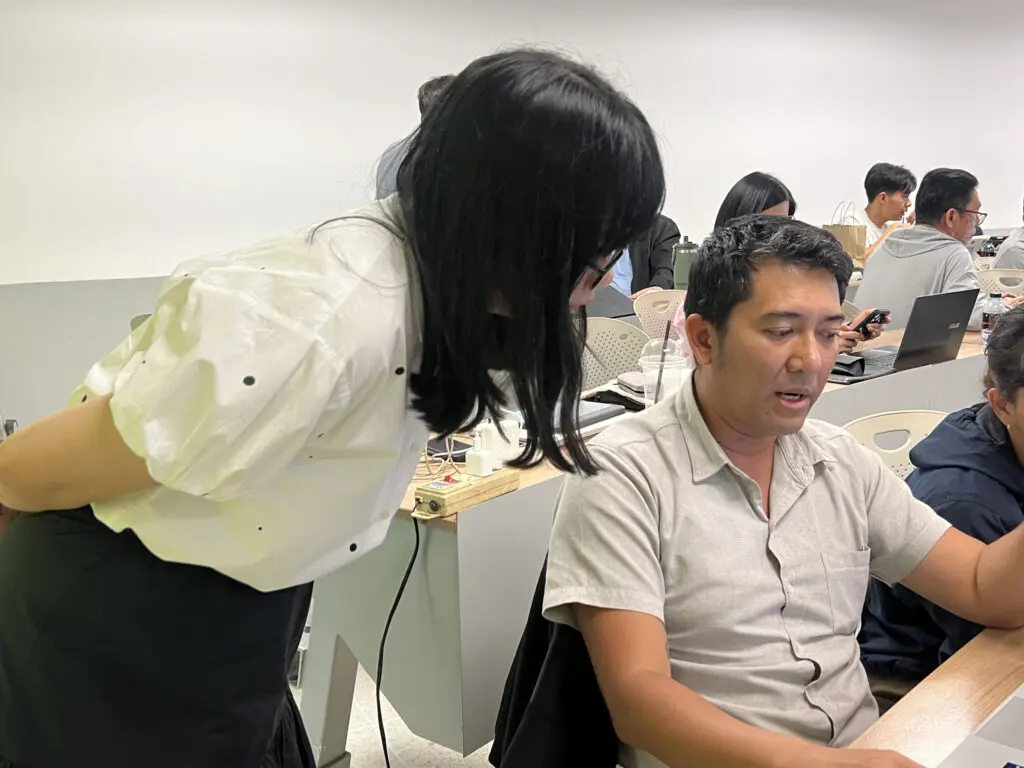
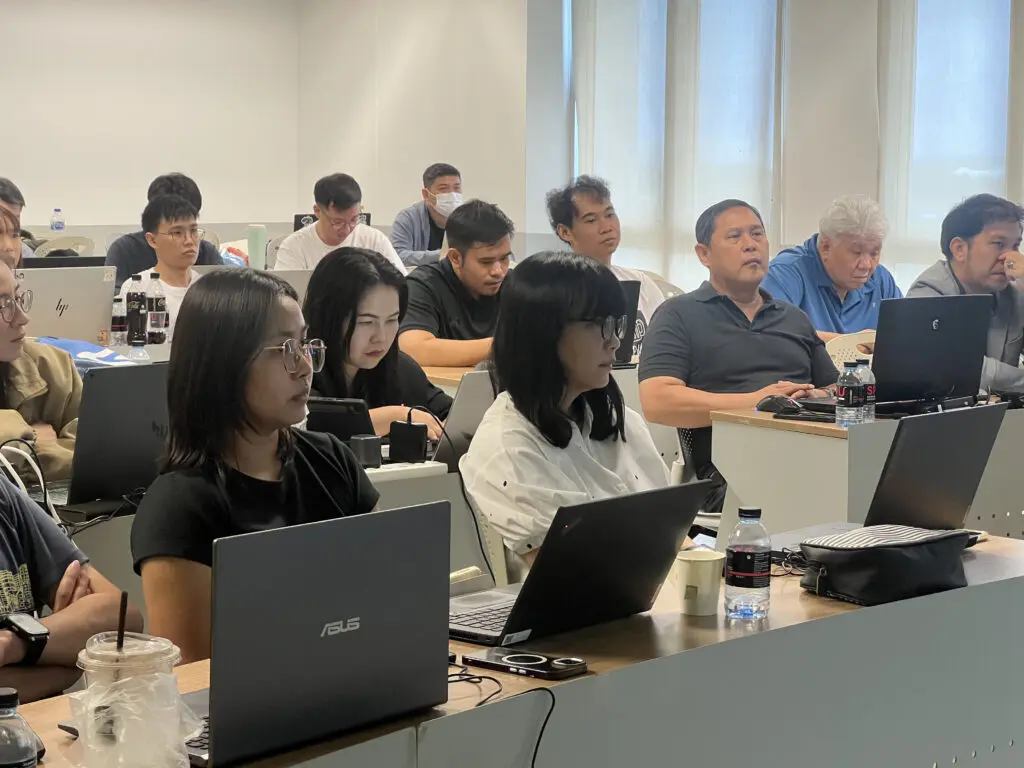
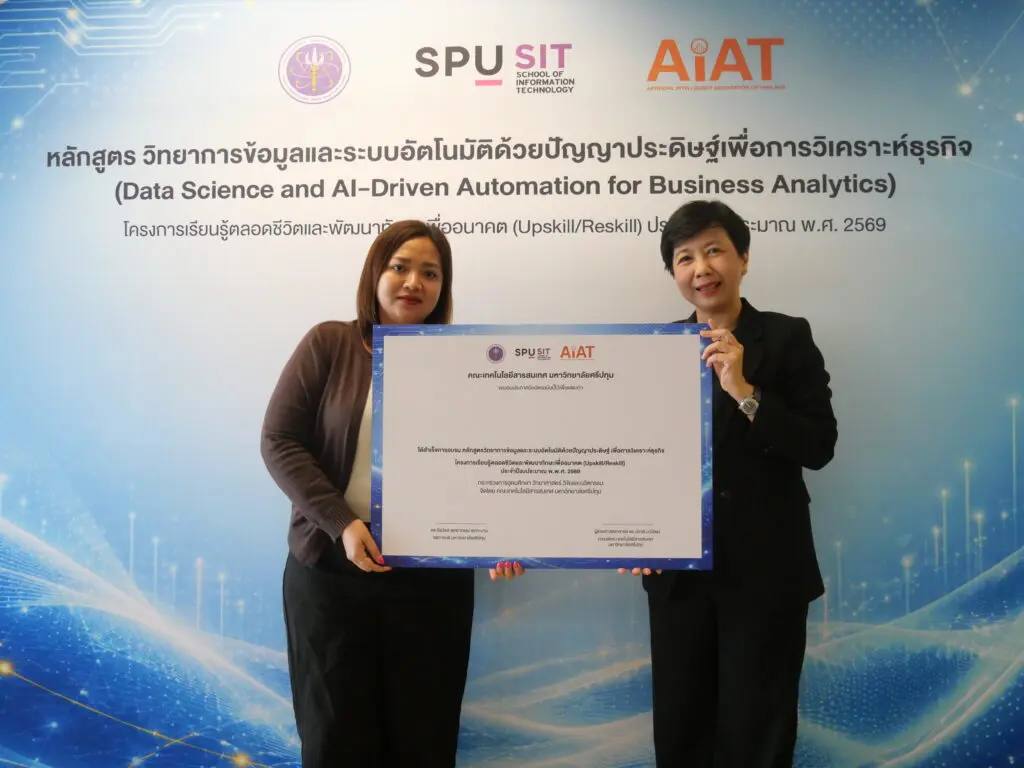
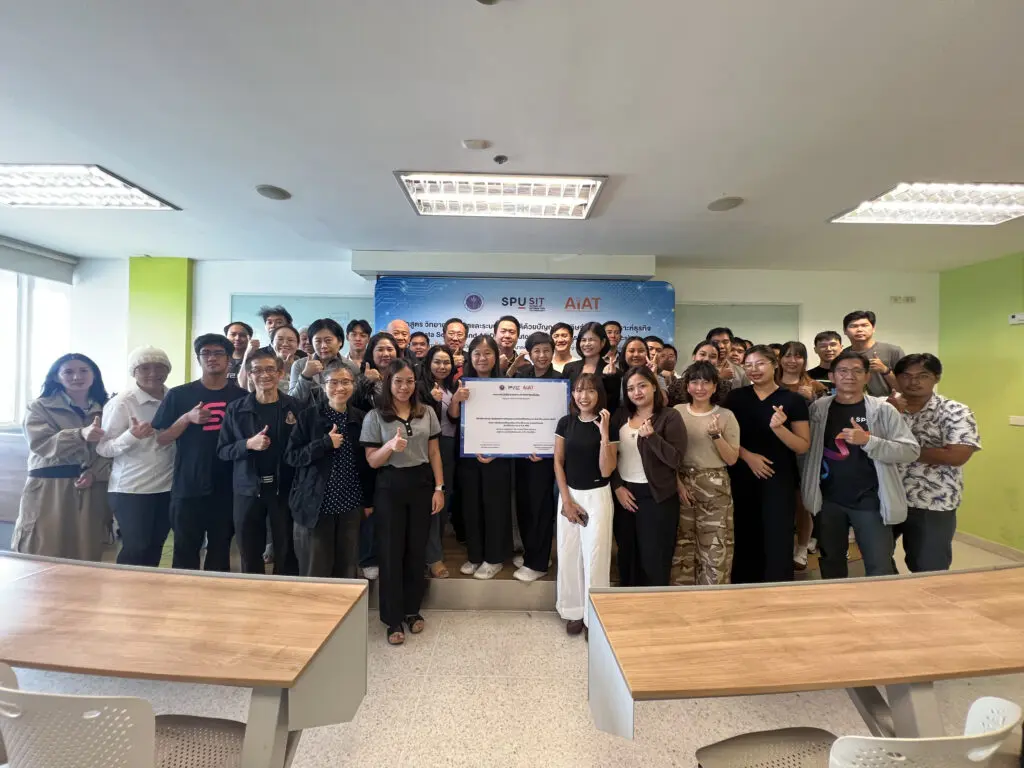
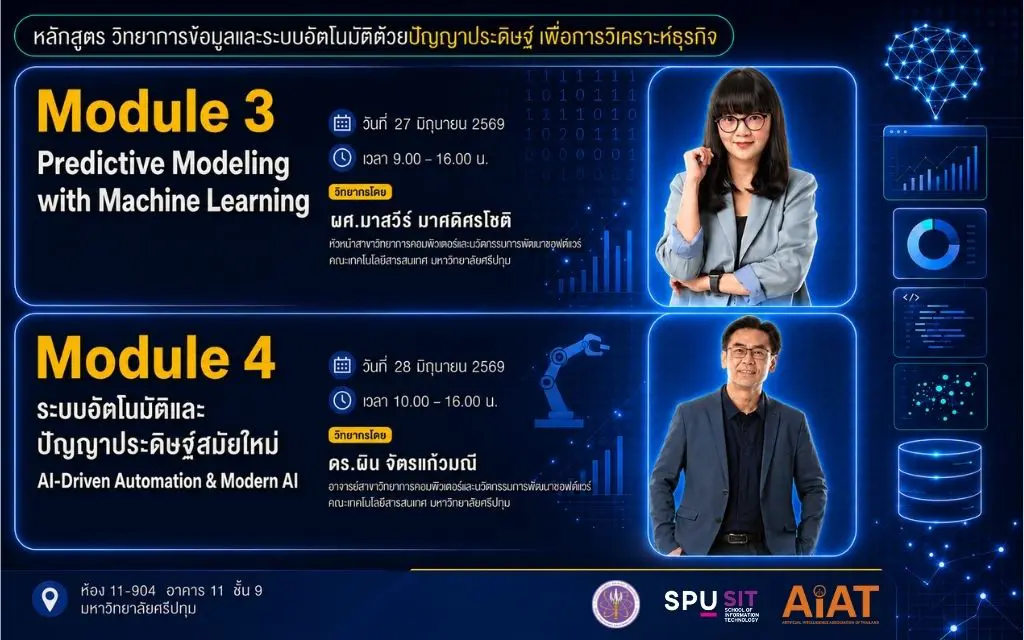
คณะเทคโนโลยีสารสนเทศ มหาวิทยาลัยศรีปทุม จัดการอบรมหลักสูตร “วิทยาการข้อมูลและระบบอัตโนมัติด้วยปัญญาประดิษฐ์ เพื่อการวิเคราะห์ธุรกิจ” ใน Module 3 และ Module 4 ระหว่างวันที่ 27–28 มิถุนายน 2569 เพื่อพัฒนาความรู้และทักษะด้านวิทยาการข้อมูล (Data Science) การสร้างโมเดลทำนาย (Machine Learning) และการประยุกต์ใช้ระบบอัตโนมัติด้วยปัญญาประดิษฐ์ (AI Automation) สำหรับการวิเคราะห์ธุรกิจและการเพิ่มประสิทธิภาพการดำเนินงานขององค์กรในยุคดิจิทัล
การอบรม Module 3: Predictive Modeling with Machine Learning มุ่งเน้นการสร้างความเข้าใจเกี่ยวกับการพัฒนาโมเดล Classification สำหรับการวิเคราะห์ข้อมูลลูกค้า พร้อมเรียนรู้การประเมินประสิทธิภาพของโมเดลด้วย Accuracy, Precision, Recall และ Confusion Matrix ผ่านการลงมือปฏิบัติจริง ผู้เข้าอบรมได้ฝึกสร้างโมเดลทำนายจากชุดข้อมูลทางธุรกิจ เพื่อเรียนรู้กระบวนการวิเคราะห์ข้อมูลและการตัดสินใจบนพื้นฐานของข้อมูล (Data-Driven Decision Making)
ต่อเนื่องใน Module 4: AI-Driven Automation & Modern AI ผู้เข้าอบรมได้เรียนรู้การประยุกต์ใช้ Robotic Process Automation (RPA) การออกแบบ Workflow อัตโนมัติด้วย n8n และการเชื่อมต่อบริการ AI ผ่าน API เพื่อช่วยลดขั้นตอนการทำงาน เพิ่มความรวดเร็ว ลดความผิดพลาด และยกระดับประสิทธิภาพของกระบวนการทำงานในองค์กร
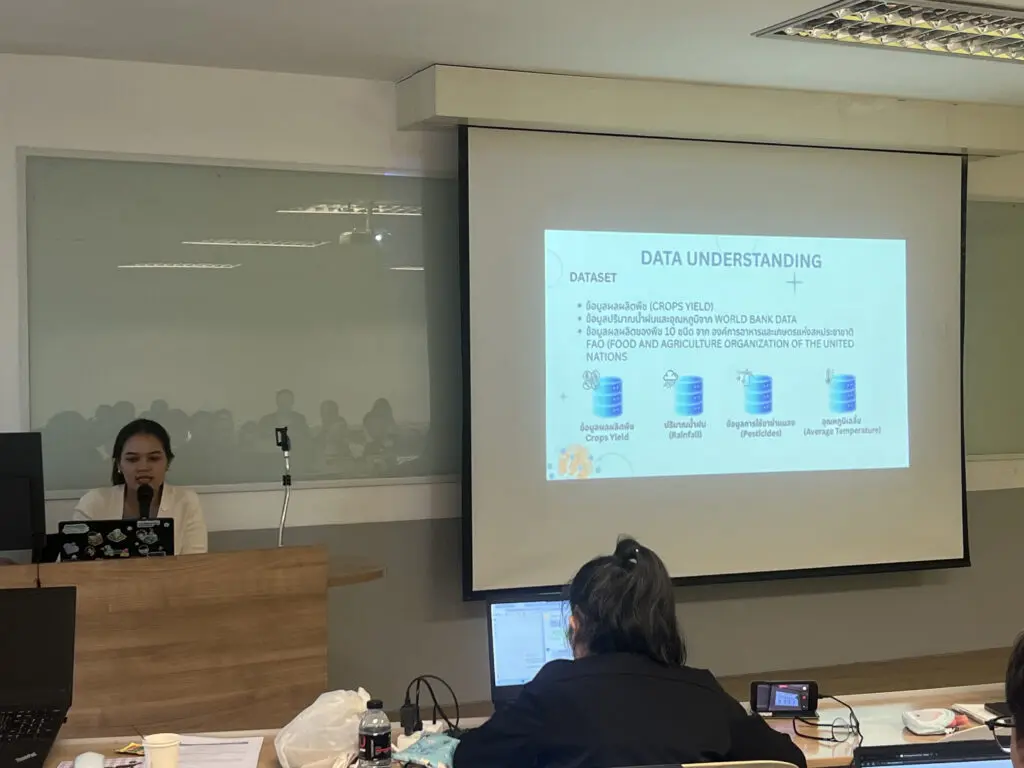
ไฮไลต์สำคัญของหลักสูตรคือการพัฒนา Capstone Project จากโจทย์ธุรกิจจริง โดยผู้เข้าอบรมได้นำองค์ความรู้ด้าน Data Analytics, Machine Learning และ AI Automation มาประยุกต์ใช้กับสถานการณ์หลากหลาย อาทิ การประเมินมูลค่าอสังหาริมทรัพย์ การทำนายความเสี่ยงการตกงานในปี 2030 การวิเคราะห์สินค้าที่มักถูกซื้อร่วมกันในร้านกาแฟ การตรวจจับคำขอสินเชื่อเช่าซื้อที่มีความน่าสงสัย การกำหนดกลยุทธ์ราคาห้องพัก Airbnb Bangkok การทำนายการลาออกของพนักงาน และระบบพยากรณ์ผลผลิตทางการเกษตรอัจฉริยะ ซึ่งสะท้อนศักยภาพในการประยุกต์ใช้เทคโนโลยี AI เพื่อแก้ไขปัญหาและสร้างคุณค่าให้กับภาคธุรกิจและสังคม
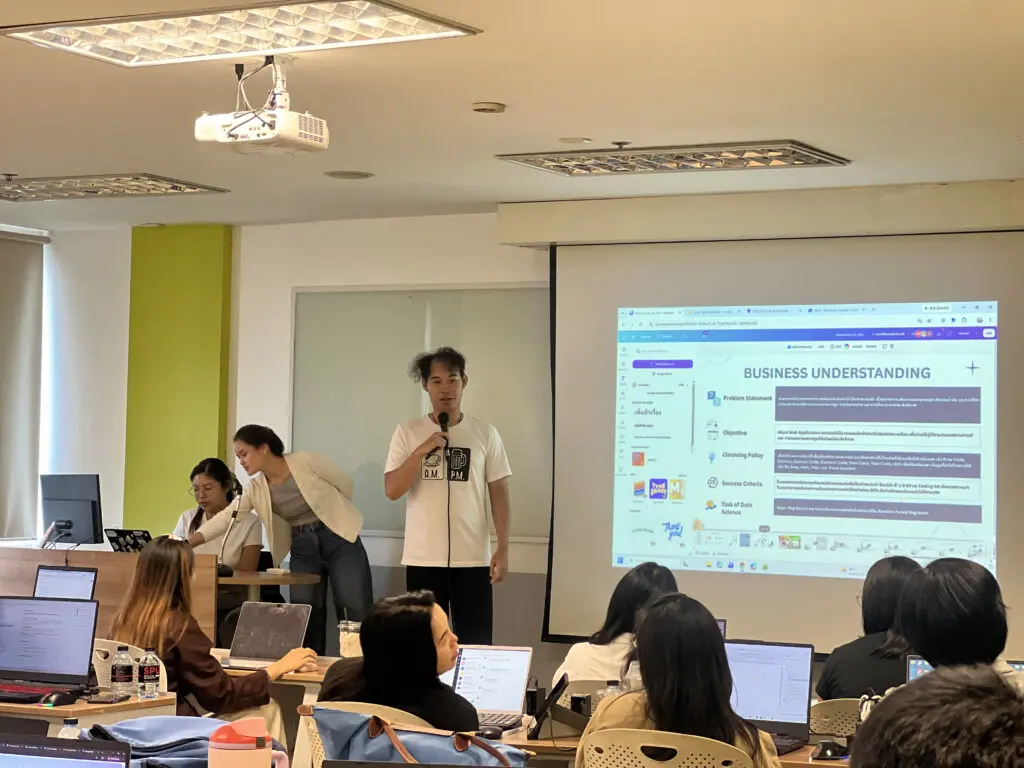
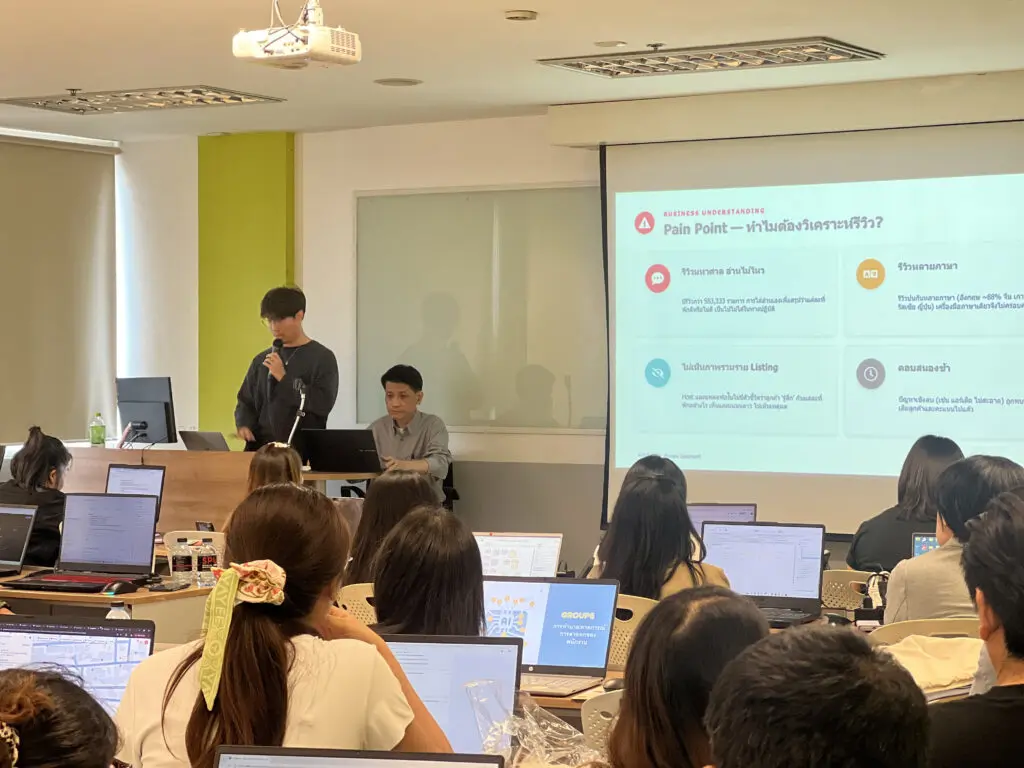
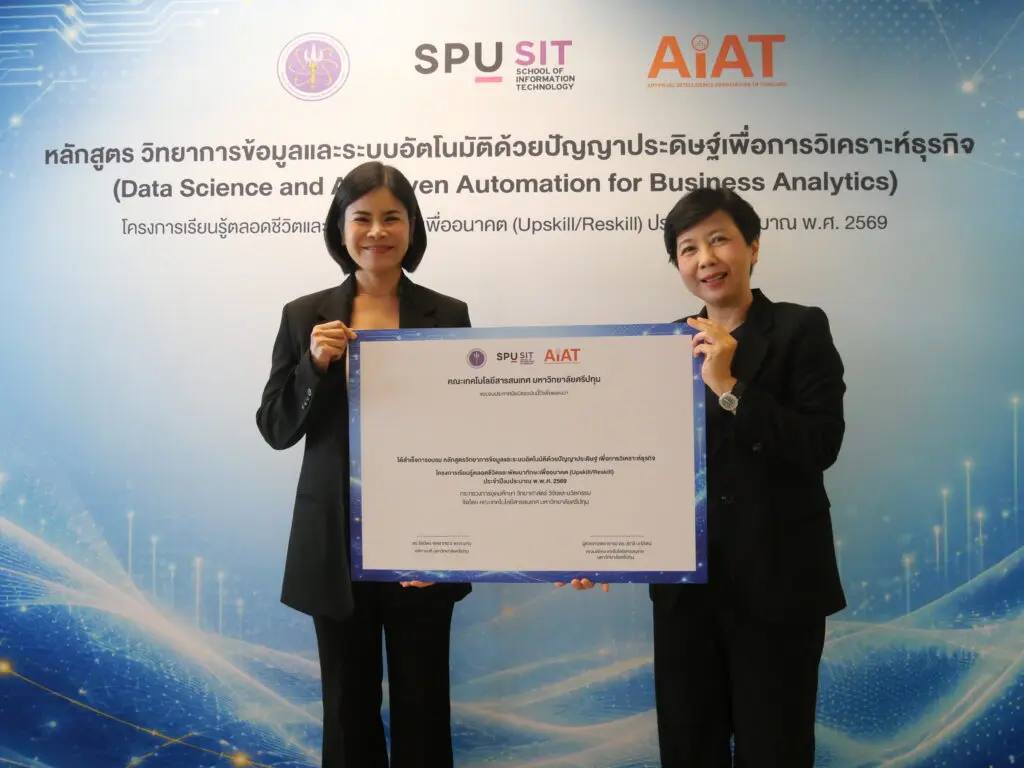
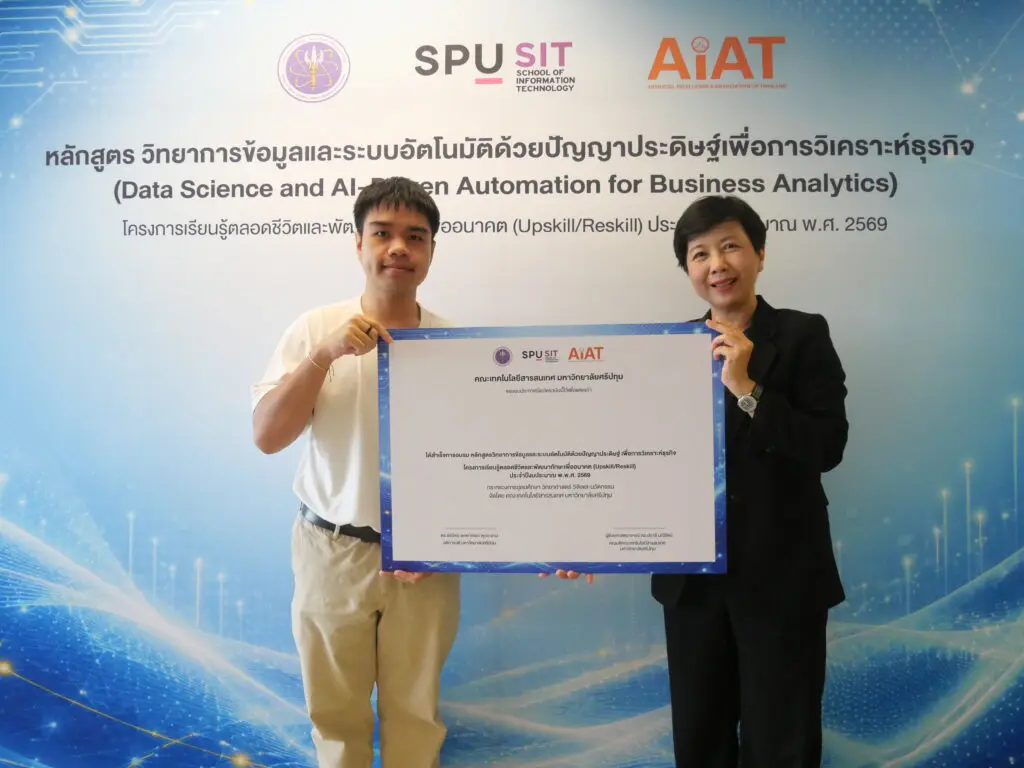
การอบรมปิดท้ายด้วยการนำเสนอผลงาน แลกเปลี่ยนข้อคิดเห็นระหว่างผู้เข้าอบรมและวิทยากร พร้อมมอบประกาศนียบัตรแก่ผู้ผ่านการอบรม เพื่อยืนยันถึงศักยภาพในการนำองค์ความรู้ด้าน Data Science, Machine Learning และ AI Automation ไปประยุกต์ใช้ในการทำงานจริง และสนับสนุนการขับเคลื่อนองค์กรสู่การเปลี่ยนผ่านทางดิจิทัลอย่างยั่งยืน
กิจกรรมนี้สะท้อนบทบาทของมหาวิทยาลัยศรีปทุมในการพัฒนากำลังคนคุณภาพที่ตอบโจทย์ความต้องการของภาคอุตสาหกรรม สอดคล้องกับ SDG 4: Quality Education โดยเฉพาะ SDG 4.3.3 Vocational Training Events (Lifelong Learning) ที่ส่งเสริมการพัฒนาทักษะวิชาชีพและการเรียนรู้ตลอดชีวิต รวมถึง SDG 8: Decent Work and Economic Growth ผ่าน SDG 8.4.1 Proportion of Students Taking Work Placements ในมิติของการเตรียมความพร้อมด้านทักษะที่ตลาดแรงงานต้องการ และ SDG 9: Industry, Innovation and Infrastructure ที่สนับสนุนการประยุกต์ใช้นวัตกรรมดิจิทัลและปัญญาประดิษฐ์เพื่อเพิ่มขีดความสามารถในการแข่งขันขององค์กรและภาคธุรกิจ
Sripatum University Empowers Learners with Machine Learning and AI Automation to Drive Innovation in the Digital Economy
The School of Information Technology at Sripatum University organized Modules 3 and 4 of the training program “Data Science and AI Automation for Business Analytics” on 27–28 June 2026. The program was designed to strengthen participants’ competencies in data science, predictive analytics, machine learning, and AI-driven automation for practical business applications.
Module 3, Predictive Modeling with Machine Learning, focused on developing classification models, evaluating model performance using Accuracy, Precision, Recall, and Confusion Matrix, and applying predictive analytics to solve real business problems through hands-on practice.
Module 4, AI-Driven Automation & Modern AI, introduced participants to Robotic Process Automation (RPA), workflow automation using n8n, and AI integration through APIs to streamline business processes, improve operational efficiency, and accelerate digital transformation.
Participants also completed capstone projects addressing real-world challenges, including property valuation, employment risk prediction, market basket analysis, fraud detection, Airbnb pricing optimization, employee attrition prediction, and smart agricultural forecasting. The program concluded with project presentations, knowledge exchange sessions, and certificate awards, demonstrating participants’ readiness to apply AI, machine learning, and automation technologies in professional environments.
The initiative reflects SPU’s commitment to lifelong learning, workforce development, and innovation, supporting SDG 4 (Quality Education), SDG 8 (Decent Work and Economic Growth), and SDG 9 (Industry, Innovation and Infrastructure).
#SPU #SPUSDGs #ITSPU #DataScience #ArtificialIntelligence #DigitalTransformation