ชวนชุมชนเทคโนโลยีเสริมเกราะความปลอดภัยไซเบอร์ ปกป้องการเรียนรู้และงานวิจัยออนไลน์ให้เดินต่อได้อย่างไม่สะดุด
โลกดิจิทัลวันนี้ ผู้ไม่หวังดีมักเลือก “ทางที่ง่ายที่สุด” เพื่อเจาะบัญชี อุปกรณ์ หรือองค์กร—ตั้งแต่การใช้รหัสผ่านซ้ำ การอนุมัติคำขอเข้าใช้งานที่ไม่ได้เริ่มเอง ไปจนถึงคลิกฟิชชิงหรือชะลอการอัปเดตซอฟต์แวร์ ข่าวดีคือ นิสัยง่ายๆ ไม่กี่ข้อสามารถทำให้คุณกลายเป็นเป้าหมายที่ยากขึ้นได้อย่างมีนัยสำคัญ และช่วยให้การเรียน การสอน และการทำวิจัยออนไลน์ของมหาวิทยาลัยไม่สะดุด
ทำให้การโจมตี “ยากขึ้น” ด้วยแนวทางต่อไปนี้:
– ใช้รหัสผ่านที่รัดกุมและ “ไม่ซ้ำ” กัน เลี่ยงการใช้รหัสเดียวกันระหว่างบัญชีมหาวิทยาลัย งาน และส่วนตัว ใช้ตัวจัดการรหัสผ่านเพื่อสร้างและเก็บรหัสอย่างปลอดภัย
– เปิดใช้การยืนยันตัวตนหลายปัจจัย (MFA) และปกป้องทุกการแจ้งเตือน อย่าอนุมัติคำขอที่คุณไม่ได้เริ่มเอง หากไม่คาดคิด ให้ปฏิเสธและตรวจสอบกิจกรรมในบัญชี
– เว้นจังหวะก่อนคลิกหรือโต้ตอบ ระวังข้อความที่ไม่คุ้น ข้อความเร่งด่วน ลิงก์ ไฟล์แนบ QR code และคำขอรหัสผ่าน การชำระเงิน บัตรของขวัญ หรือข้อมูลส่วนตัว
– รายงานอีเมลที่น่าสงสัย ใช้ปุ่ม “Report Message” ใน Outlook เมื่อพบสัญญาณฟิชชิง เพื่อช่วยปกป้องทั้งตัวคุณและชุมชนมหาวิทยาลัย
– อัปเดตอุปกรณ์และแอปให้ทันสมัย ติดตั้งแพตช์ความปลอดภัยโดยเร็ว และรีสตาร์ตอุปกรณ์เมื่อระบบร้องขอ เพื่อให้การป้องกันมีผลครบถ้วน
– ปกป้องข้อมูลของมหาวิทยาลัยและข้อมูลส่วนบุคคล แชร์เฉพาะกับผู้ที่จำเป็น ใช้บริการที่มหาวิทยาลัยอนุมัติ และหลีกเลี่ยงการกรอกข้อมูลอ่อนไหวในเว็บไซต์หรือแอปที่ไม่คุ้นเคย
ความปลอดภัยไซเบอร์เป็น “ความรับผิดชอบร่วมกัน” ไม่ว่าคุณจะเป็นนักศึกษา อาจารย์ นักวิจัย หรือบุคลากรสนับสนุน การตัดสินใจเล็กๆ ในทุกวันของคุณจะช่วยปกป้องบัญชี ข้อมูล และความเชื่อมั่นของชุมชนได้โดยตรง—และสำคัญที่สุดคือ ช่วยคงการเข้าถึงการเรียนรู้ การทำงานร่วมกัน และทรัพยากรวิชาการให้พร้อมใช้อย่างต่อเนื่อง
เกี่ยวกับ Cybersecurity Awareness Month:
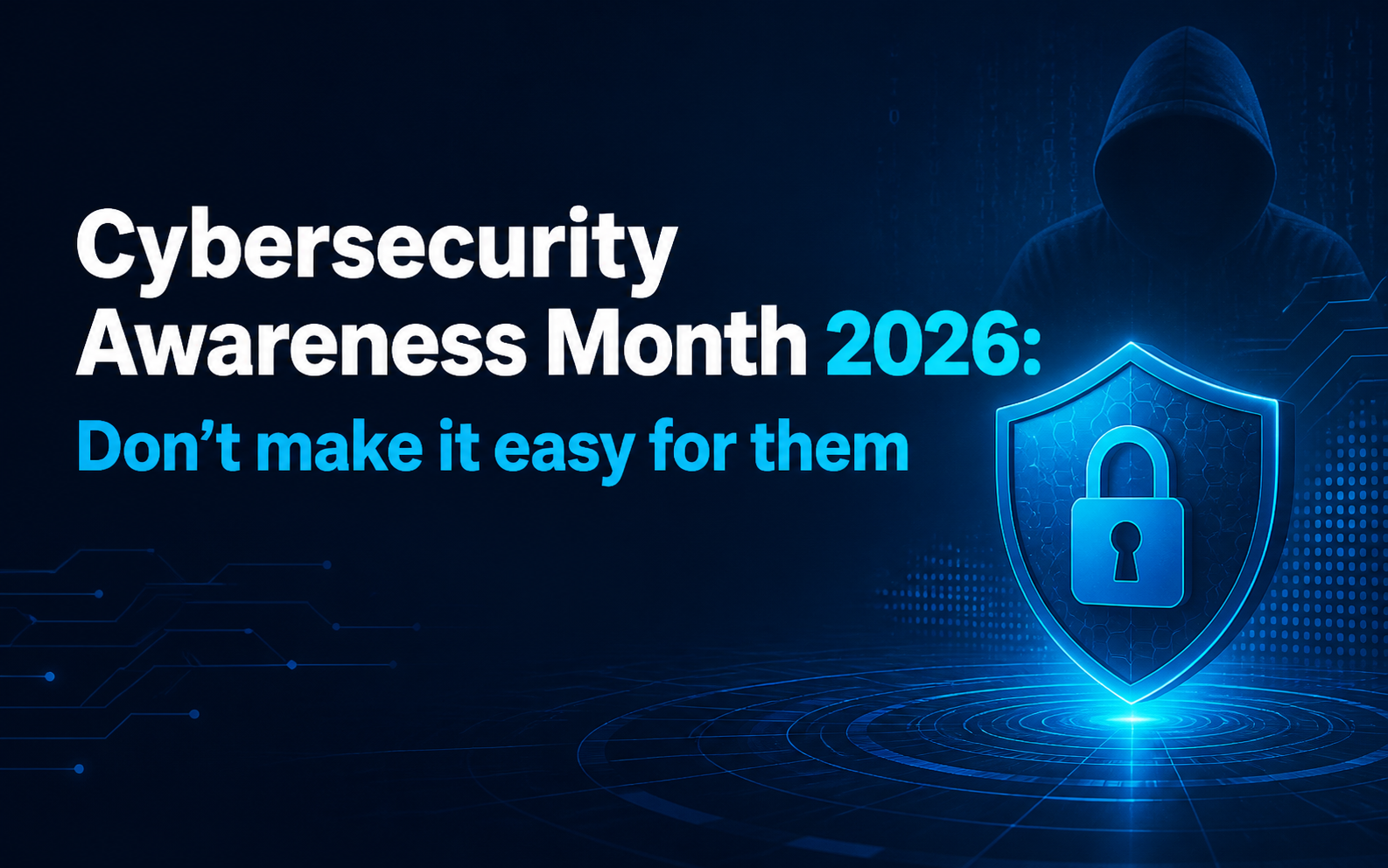
แคมเปญระดับโลกนี้เริ่มในปี 2004 รวมพลังหน่วยงานรัฐ ภาคธุรกิจ สถาบันการศึกษา และองค์กรไม่แสวงกำไร เพื่อส่งเสริมพฤติกรรมออนไลน์ที่ปลอดภัย ดำเนินงานโดย Cybersecurity and Infrastructure Security Agency (CISA) และ National Cybersecurity Alliance พร้อมสารสำคัญที่เตือนใจทุกคนให้ “อย่าเปิดช่องให้พวกเขา” ด้วยวินัยด้านความปลอดภัยที่ทำได้จริงในทุกวัน
เมื่อเราทุกคนปรับนิสัยดิจิทัลให้ปลอดภัยขึ้น เรากำลังลดอุปสรรคในการเข้าถึงการเรียนรู้ออนไลน์และทรัพยากรทางการศึกษา ช่วยให้ประสบการณ์ของผู้เรียนและผู้สอนเดินหน้าโดยไม่สะดุด—สอดคล้องกับเป้าหมายการศึกษาที่มีคุณภาพ
SPU invites the tech community to harden cyber defenses and keep learning and research online without disruption
Cyber attackers look for the path of least resistance—reused passwords, unexpected MFA approvals, convincing phishing lures, or delayed software updates. The good news: a handful of everyday habits can make you a much harder target and keep teaching, learning, and research running smoothly.
Make security harder for attackers:
– Use strong, unique passwords. Avoid reusing passwords across university, work, and personal accounts. A password manager helps create and securely store them.
– Use multifactor authentication and protect every prompt. Never approve a sign-in request you didn’t initiate. If a prompt is unexpected, deny it and review account activity.
– Pause before you click or respond. Be cautious with unfamiliar messages, urgent requests, links, attachments, QR codes, and any request for passwords, payments, gift cards, or personal data.
– Report suspicious messages. Use Outlook’s “Report Message” function when an email looks suspicious to protect yourself and the wider university community.
– Keep devices and applications up to date. Install security updates promptly and restart when requested so protections take effect.
– Protect university and personal information. Share only with those who need it, use approved university services, and avoid entering sensitive data into unfamiliar sites or apps.
Cybersecurity is a shared responsibility. Whether you are a student, faculty member, researcher, or operations staff, your daily choices directly protect accounts, data, and community trust—and, most importantly, preserve reliable access to digital learning, collaboration, and academic resources.
About Cybersecurity Awareness Month:
Established in 2004, this global campaign brings together government agencies, businesses, educational institutions, and nonprofits to promote safer online behavior. It is led by the Cybersecurity and Infrastructure Security Agency (CISA) and the National Cybersecurity Alliance, with a clear reminder that small, consistent security habits “don’t make it easy for them.”
By strengthening everyday cyber hygiene, we lower barriers to accessing online learning and academic resources, helping students and educators continue without disruption—aligned with a commitment to quality education.
ที่มา: https://today.marquette.edu/2026/10/cybersecurity-awareness-month-2026-dont-make-it-easy-for-them/