จาก Exploration ถึง Sustainment — คู่มือ 4 ระยะ “SOUL Family” จัดระบบการเปลี่ยนผ่านงานคุ้มครองเด็ก ลดความซับซ้อนและยกระดับการทำงานข้ามทีม
เผยแพร่เมื่อ 26 สิงหาคม 2026 โดย The Annie E. Casey Foundation รายงานฉบับใหม่แนะนำแนวทาง “Stage-based Implementation” เพื่อนำกรอบการทำงาน SOUL Family ไปใช้ในระดับพื้นที่สำหรับหน่วยงานคุ้มครองเด็ก ผู้นำเยาวชนที่มีประสบการณ์ในระบบอุปการะเลี้ยงดู (foster care) และภาคีที่เกี่ยวข้อง เอกสารเน้นว่าการนำนโยบายสู่การปฏิบัติเป็น “กระบวนการต่อเนื่อง” ไม่ใช่เหตุการณ์ครั้งเดียว ทีมงานสามารถขยับไปมาระหว่างสเตจได้ตามบทเรียนที่เรียนรู้และการปรับตัว
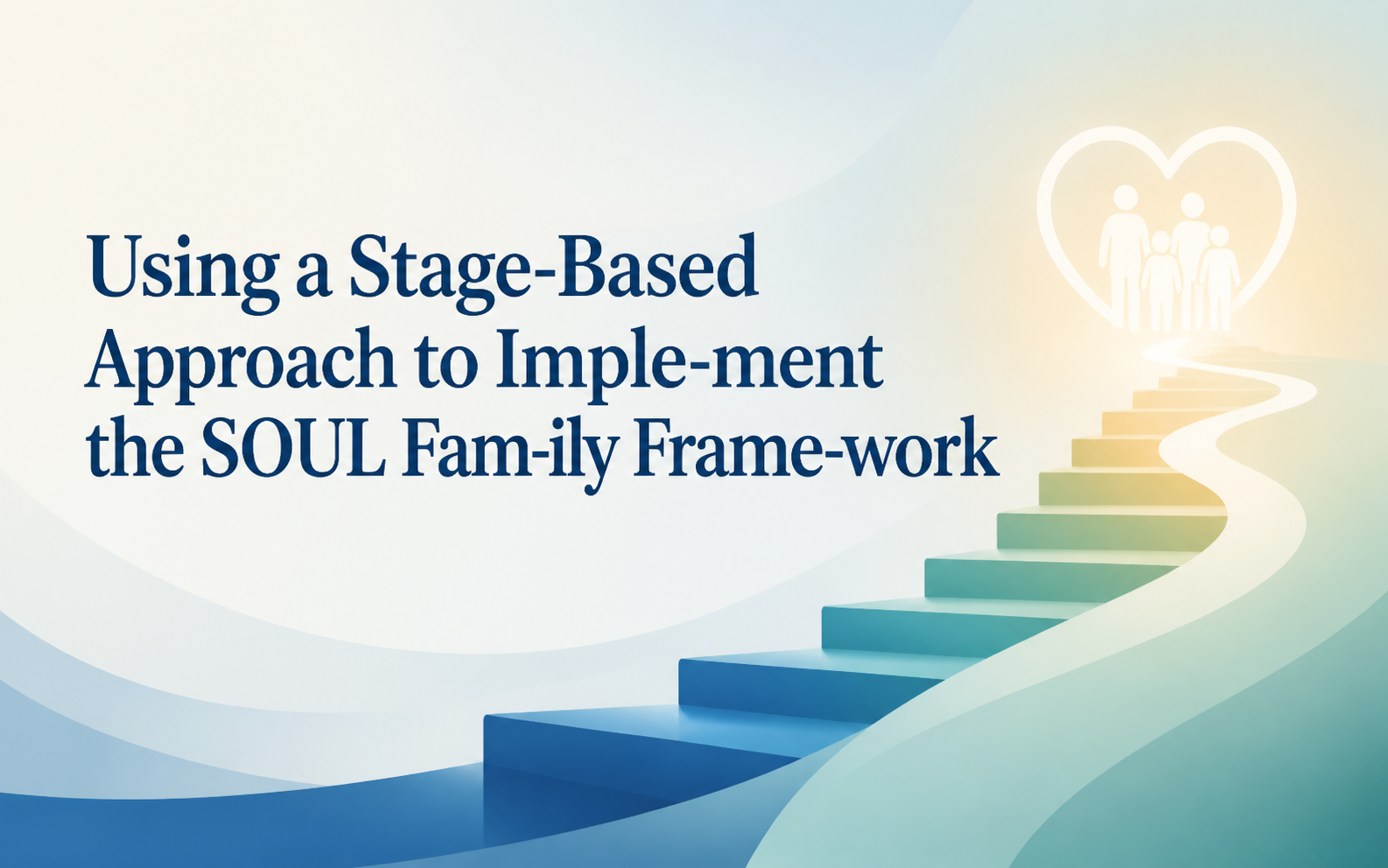
คู่มือจัดโครงสร้างเป็น 4 ระยะชัดเจน — Exploration, Preparation, Initial Implementation และ Sustainment — โดยระบุหมุดหมาย (milestones) ผลลัพธ์ที่คาดหวัง คำถามสำคัญสำหรับทีม และกิจกรรมเชิงละเอียดเพื่อขับเคลื่อนแต่ละสเตจ สำหรับผู้อ่านสายเทค แนวคิดนี้เทียบได้กับการนำ agile/iteration เข้าสู่ระบบสาธารณะ: มี roadmap, learning loops และเกณฑ์ผ่านด่านที่ตรวจสอบได้ ช่วยลดอุปสรรคการเข้าถึงองค์ความรู้ปฏิบัติการให้ทีมหลากสาขาเข้าใจตรงกันและเดินหน้าได้ไวขึ้น
จุดเด่นอีกข้อคือการยึดข้อมูลจากพื้นที่สาธิตใน Kansas และ District of Columbia เพื่อนำบทเรียนจริงมาประกอบวิธีทำงาน ทำให้ผู้นำโครงการและทีมสนับสนุนมองเห็นความเสี่ยงที่พบบ่อย การจัดลำดับความสำคัญ และกิจกรรมที่ช่วยให้ “เริ่มให้ได้” และ “รักษาให้ยั่งยืน” โดยไม่สูญเสียแรงส่งกลางทาง
ประโยชน์สำคัญต่อการลดข้อจำกัดด้านการเข้าถึงการเรียนรู้ คือการแปลง “ความซับซ้อนเชิงระบบ” ให้เป็นขั้นตอนและคำถามตรวจสอบตนเองที่นำไปใช้ได้ทันที ทั้งกับหน่วยงานคุ้มครองเด็กและเยาวชนผู้นำที่เคยอยู่ในระบบอุปการะฯ เอง เมื่อทุกฝ่ายมีภาษาและเครื่องมือร่วมกัน การทำงานข้ามองค์กรและข้ามรุ่น (youth–adult partnership) จึงเป็นรูปธรรมมากขึ้น
สำหรับทีมเทคและนักพัฒนานโยบายที่ต้องขับเคลื่อนการเปลี่ยนแปลงในระบบสาธารณะ คู่มือฉบับนี้ทำหน้าที่เป็น “แผนที่ทาง” ที่ชัดเจน วัดผลได้ และยืดหยุ่นพอสำหรับการเรียนรู้ระหว่างทาง — จุดเริ่มและจุดยืนระยะยาวจึงไม่ใช่เป้าหมายที่ขัดแย้งกันอีกต่อไป แต่เป็นวงจรพัฒนาที่ต่อเนื่องและขยายคุณภาพสู่ผู้ใช้บริการเด็กและครอบครัวได้จริง
From Exploration to Sustainment: The SOUL Family four-stage implementation guide streamlines child welfare reform and cross-team delivery
Published on August 26, 2026 by The Annie E. Casey Foundation, a new implementation guide introduces a stage-based approach to bring the SOUL Family framework into practice. It is designed for child welfare agencies, young leaders with foster care experience and partner organizations. The guide positions implementation as an ongoing process rather than a one-off event, enabling teams to move across stages as they learn and adapt.
Structured around four clear stages — Exploration, Preparation, Initial Implementation and Sustainment — the guide details expected milestones and outcomes, key questions for implementation teams and practical activities to advance through each stage. For a tech-savvy audience, this reads like applying agile and iteration to public systems: a shared roadmap, learning loops and measurable stage gates that reduce complexity and align multi-disciplinary teams.
Grounded in real-world learning from demonstration sites in Kansas and the District of Columbia, the resource surfaces common risks, prioritization cues and actionable steps that help organizations both “get started” and “stay the course” without losing momentum.
Critically, the guide lowers barriers to accessing implementation know-how by translating systemic complexity into usable steps and self-checks — for both agencies and youth leaders with lived foster care experience. With a shared language and toolset, cross-organization and youth–adult collaboration becomes more concrete and effective.
For public-sector innovators and delivery teams, this is a navigable, evidence-informed map that is both flexible and testable — turning starting points and long-term goals into a continuous improvement cycle that ultimately benefits children and families.
SDG 16: Peace, Justice and Strong Institutions
ที่มา: https://www.aecf.org/resources/using-a-stage-based-approach-to-implement-the-soul-family-framework