
ถอดรหัสรายงาน Semperis 2026 — เมื่อ AI เร่งศักยภาพอาชญากรไซเบอร์, 44% ถูกโจมตีผ่าน AI ขององค์กรเอง เปิดความรู้เพื่อเข้าถึงการเรียนรู้ด้านความมั่นคงไซเบอร์ได้ทั่วถึง
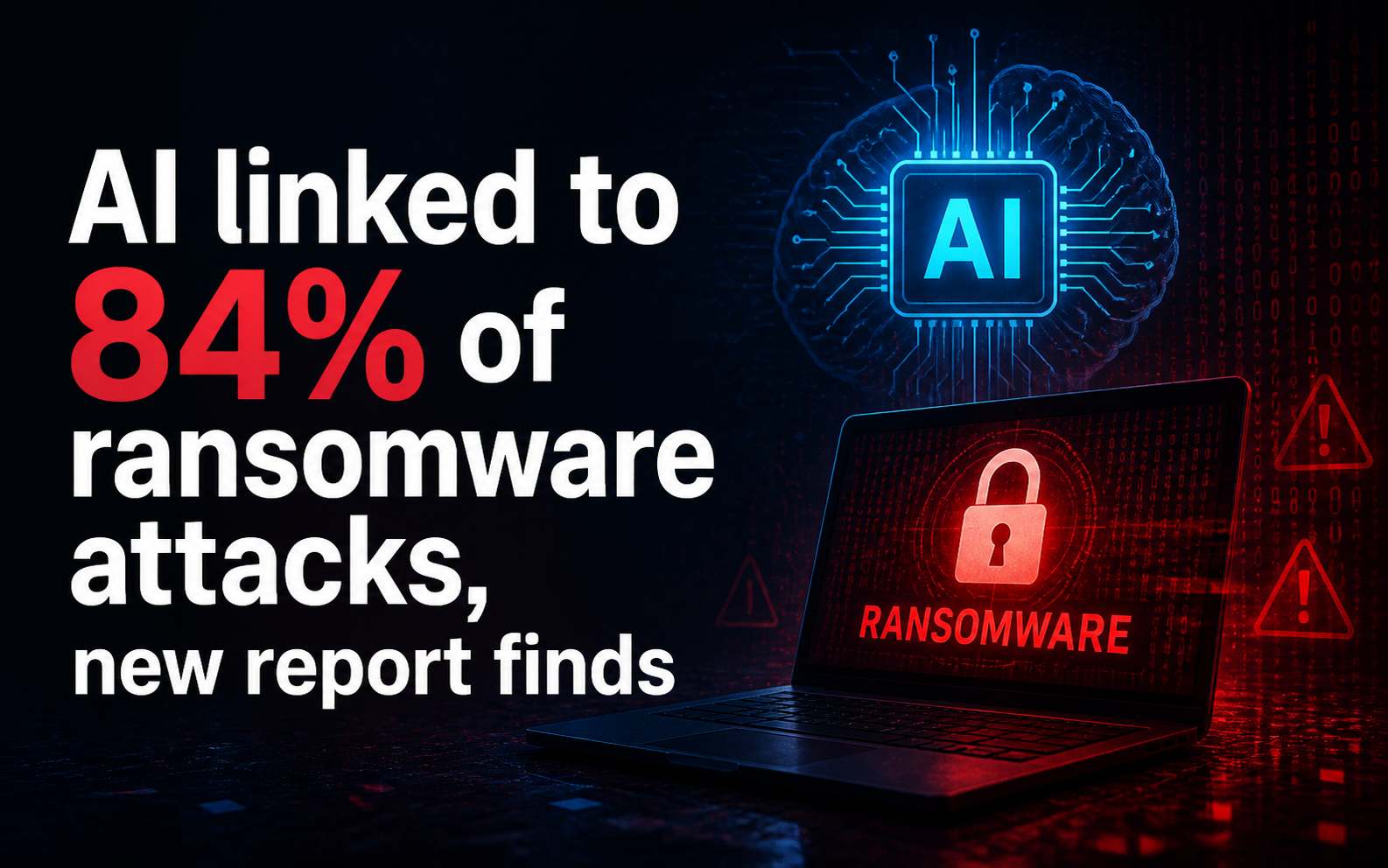
อาชญากรไซเบอร์กำลังยกระดับ Ransomware ด้วยปัญญาประดิษฐ์ (AI) อย่างเป็นระบบ รายงาน The 2026 Ransomware Risk Report โดย Semperis ที่สำรวจผู้เชี่ยวชาญ IT และความปลอดภัย 1,200 คน ใน 9 ประเทศ ครอบคลุม 8 อุตสาหกรรม พบว่า 84% ของเหยื่อที่ถูกสำรวจยืนยันว่า ผู้โจมตีใช้ AI ในกระบวนการโจมตี และที่น่ากังวลไม่แพ้กันคือ 44% รายงานว่าผู้โจมตีฉวยใช้ “ระบบ AI ขององค์กรเอง” เป็นช่องทางรุก สะท้อนความเสี่ยงใหม่ที่องค์กรและนักศึกษาสายเทคโนโลยีต้องทำความเข้าใจอย่างเร่งด่วน
รายงานยังเผยให้เห็นมิติด้านมนุษย์ของ Ransomware อย่างชัดเจน กว่าหนึ่งในสามขององค์กรที่ถูกโจมตีเผชิญการข่มขู่ทางจิตใจหรือทางกายต่อพนักงาน ขณะที่ 14% ถึงขั้นมีพนักงานหรือสมาชิกครอบครัวต้องย้ายงาน ย้ายสำนักงาน หรือย้ายที่อยู่อาศัยจากแรงกดดันการขู่กรรโชก นอกจากนี้ 69% ของเหยื่อเผชิญการโจมตีสำเร็จหลายครั้งในรอบปีที่ผ่านมา 59% ยอมจ่ายค่าไถ่อย่างน้อยหนึ่งครั้ง และ 87% ระบุว่าเป้าหมายหลักคือ “ระบบระบุตัวตน” (identity systems) ที่ควบคุมการเข้าถึงเครือข่ายองค์กร
Chris Inglis อดีตผู้อำนวยการด้านไซเบอร์แห่งทำเนียบขาว และกรรมการ Semperis ระบุว่า AI คือจุดเปลี่ยนที่เพิ่มขีดความสามารถผู้โจมตี ทั้งการสแกนจุดอ่อน การยกระดับการหลอกลวงทางสังคม และการปรับยุทธวิธีแบบอัตโนมัติ เขาชี้ว่า “เรากำลังเห็นการโจมตีแบบอัตโนมัติแล้ว Ransomware อัตโนมัติเป็นหนึ่งในนั้น” และเตือนว่าการทำให้ AI เข้าถึงได้กว้างขึ้นทำให้แม้ผู้มีทักษะเทคนิคน้อยก็สั่ง AI เขียนโค้ดและปฏิบัติการโจมตีได้
Tomer Bar รองประธานฝ่ายวิจัยความปลอดภัยของ Semperis เสริมว่า AI กำลังเร่งวัฏจักรการพัฒนา Ransomware ให้ซับซ้อนขึ้น ตรวจสอบคุณภาพโค้ดได้ด้วยโมเดลภาษา ลดข้อผิดพลาดด้านอัลกอริทึมการเข้ารหัส และทำให้การสืบสวนของหน่วยงานรัฐยากขึ้น ขณะที่ Courtney Guss รองประธานฝ่ายบริหารวิกฤตของ Semperis เตือนถึง “ตัวแทน AI อัตโนมัติ” ที่มักแสวงหา permission เพิ่ม เติมสิทธิ์ข้ามระบบ และมีแนวโน้มพุ่งเป้าไปที่ identity systems เพื่อเข้าสู่ “โหมดพระเจ้า” ซึ่งกลายเป็นระเบิดเวลาหากถูกชักนำหรือเจาะยึดครองบัญชี
สำหรับสายเทคโนโลยีและนักศึกษา ประเด็นที่ควรนำไปปฏิบัติทันทีจากรายงานนี้ ได้แก่
– ปกป้องระบบระบุตัวตนเป็นอันดับแรก: จากสถิติ 87% identity ถูกโจมตี จัดวางการกำกับสิทธิ์แบบ least privilege, เฝ้าระวังการยกระดับสิทธิ์ และตรวจจับการละเมิด credential อย่างต่อเนื่อง
– กำกับตัวแทน AI และระบบอัตโนมัติ: แยกสิทธิ์ แยกบัญชี และจำกัดขอบเขตการเข้าถึง ป้องกันการขอสิทธิ์เกินจำเป็นหรือข้ามระบบ
– เตรียมรับมือการโจมตีอัตโนมัติ: ทดสอบเส้นทางโจมตีอัตโนมัติ (autonomous paths) และยกระดับระบบตรวจจับ-ตอบสนองอัตโนมัติให้ทันเกม
– เสริมเกราะโซเชียลเอนจิเนียริ่ง: เมื่อ AI ปรับแต่งเนื้อหาเจาะรายบุคคลได้ดีขึ้น ต้องยกระดับมาตรการพิสูจน์ตัวตนและกรองเนื้อหา
– วางแผนความต่อเนื่องทางธุรกิจสำหรับเหตุโจมตีซ้ำ: เพราะ 69% ถูกโจมตีสำเร็จหลายครั้ง เตรียมการกู้คืนระบบระบุตัวตนและนโยบายไม่จ่ายค่าไถ่ให้ชัดเจน
– “กลับด้านเกม” ใช้ AI เพื่อป้องกัน: ตามข้อเสนอของ Inglis องค์กรต้องใช้ AI ฝ่ายรับอย่างจริงจัง ไม่ใช่ถอยหนี AI ด้วยความกลัว
รายงานฉบับนี้ถูกเผยแพร่ครั้งแรกโดย CBS News เมื่อวันที่ 14 ตุลาคม 2026 เวลา 6:00 น. ย้ำชัดว่าการเข้าถึงองค์ความรู้ที่ถูกต้องและทันสมัยคือกุญแจสำคัญ SPU จึงสรุปสาระสำคัญฉบับย่อยนี้เพื่อเปิดโอกาสให้นักศึกษาและมืออาชีพ IT เข้าถึงความรู้และแนวทางรับมือได้อย่างเท่าเทียมและนำไปใช้ได้จริง
ที่มา: The 2026 Ransomware Risk Report โดย Semperis; ตีพิมพ์ครั้งแรกบน CBS News
Inside Semperis’ 2026 Ransomware Risk Report — AI supercharges adversaries, 44% hit via their own AI systems; opening access to actionable cyber knowledge for all learners
Cybercriminals are systemically weaponizing AI in ransomware operations. The 2026 Ransomware Risk Report by Semperis, surveying 1,200 IT and security professionals across nine countries and eight sectors, finds that 84% of victim organizations saw attackers use AI during incidents, and a striking 44% experienced attacks that exploited their own AI agents or systems—an urgent reality check for technology teams and students alike.
The human toll is sobering: over one-third of surveyed victims reported psychological or physical threats to employees, and 14% said staff or family members had to change jobs, offices, or residences due to sustained extortion. Meanwhile, 69% faced multiple successful attacks in the prior year; 59% paid a ransom at least once; and 87% saw attacks target identity systems—the backbone controlling network access.
Chris Inglis, former U.S. National Cyber Director and Semperis board member, calls AI an inflection point that expands attackers’ capacity to find weaknesses, tailor social engineering, automate intrusions, and adapt in real time. “We’re already seeing autonomous attacks. Autonomous ransomware attacks are included in the mix,” he notes, warning that democratized AI lowers the barrier for less-skilled actors while amplifying the scale of seasoned criminals.
Tomer Bar, Semperis’ AVP of Security Research, warns that AI accelerates ransomware development, hardens encryption correctness via LLM-based testing, and complicates law-enforcement attribution. Courtney Guss, AVP of Crisis Management, highlights the risk of autonomous AI agents seeking expanded permissions and targeting identity systems to enter “god mode”—a ticking time bomb if manipulated or credential-compromised.
Key takeaways for tech teams and students:
– Prioritize identity security: With 87% of attacks hitting identity, enforce least privilege, monitor privilege escalations, and detect credential abuse continuously.
– Govern AI agents: Isolate credentials, restrict scopes, and monitor cross-system permission requests.
– Assume autonomy: Emulate autonomous attack paths and upgrade automated detection and response.
– Harden social engineering defenses: As AI personalizes lures, strengthen verification and content filtering.
– Prepare for repeated incidents: With 69% suffering multiple breaches, harden identity recovery and clarify ransom policies.
– Flip the script: As Inglis urges, use AI defensively—don’t retreat from it.
Originally published by CBS News on Oct 14, 2026 (6:00 a.m.), the report underscores the value of open, timely knowledge. SPU offers this distilled brief to expand equitable access to actionable cybersecurity learning for students and technology professionals.
ที่มา: https://www.cbsnews.com/news/ai-linked-ransomeware-attacks-global-cybersecurity-report/