
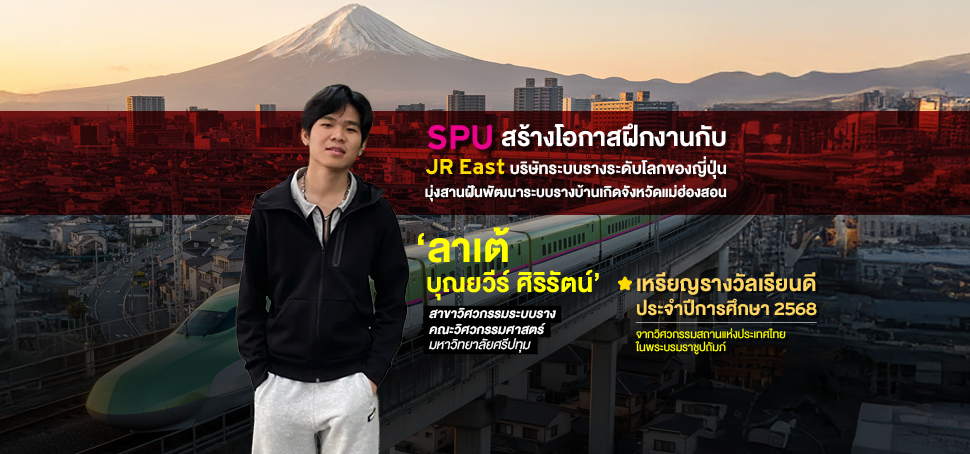
'Latte – Bunyavee Sirirat'
Students majoring in Railway Systems Engineering, Faculty of Engineering, Sripatum University.
From Mae Hong Son to the global rail stage: The story of an SPU rail engineering student who seized an internship opportunity with JR East, driven by the dream of using her knowledge to develop her hometown.
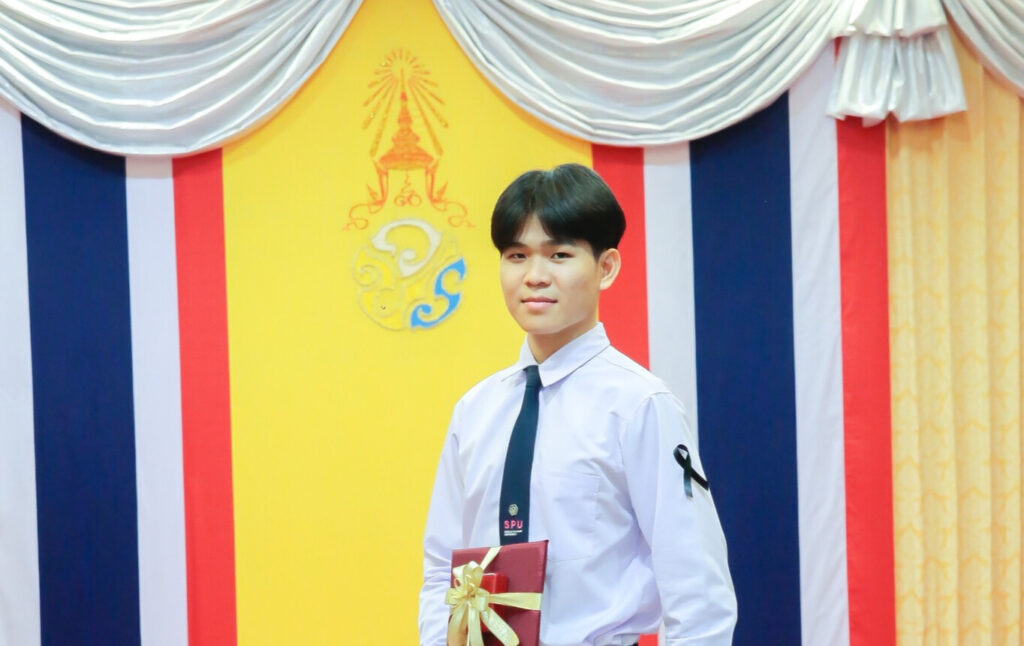
This is the story of ‘Latte – Bunyavee Sirirat,’ a student in Railway Systems Engineering at Sripatum University, who received the prestigious Academic Excellence Award for the academic year 2025 from the Engineering Institute of Thailand under the Royal Patronage. This award recognizes outstanding engineering students from universities nationwide. Adding to her success, she has been selected for a 3-year technical internship with JR East (East Japan Railway Company).
Latte recounted that the moment she heard the news of receiving the award, she felt proud and grateful for her efforts throughout her educational journey, both in academics and extracurricular activities. Although there were some obstacles, being nominated by Sripatum University made her appreciate the value of her accumulated dedication.
The award ceremony at the Privy Council Office became another important memory in my life. “It’s a great honor, a rare experience, and a source of pride for my family.”
From game-addicted kid to national academic achievement award winner.
Behind her academic success, Latte candidly admits to being a gamer once. However, she chose to clearly manage her time between studying and hobbies, aiming to prevent games from undermining her future. Her guiding principle was to understand the material in class while simultaneously conducting independent research to ensure she could apply her knowledge in the future.
A hometown where travel is still unequal.
Her inspiration for choosing to study “Railway Systems Engineering” stemmed from her hometown of Mae Hong Son province, a province with limited transportation infrastructure. Travel relies primarily on roads, and flights are infrequent. Bunyavee believes that if rail systems could one day reach remote areas, it would greatly open up economic opportunities and improve the quality of life for the people.
“I want to see my hometown become more easily accessible and people have easier access to the area. That’s why I chose to study this field.”
Classrooms aren't just found in universities.
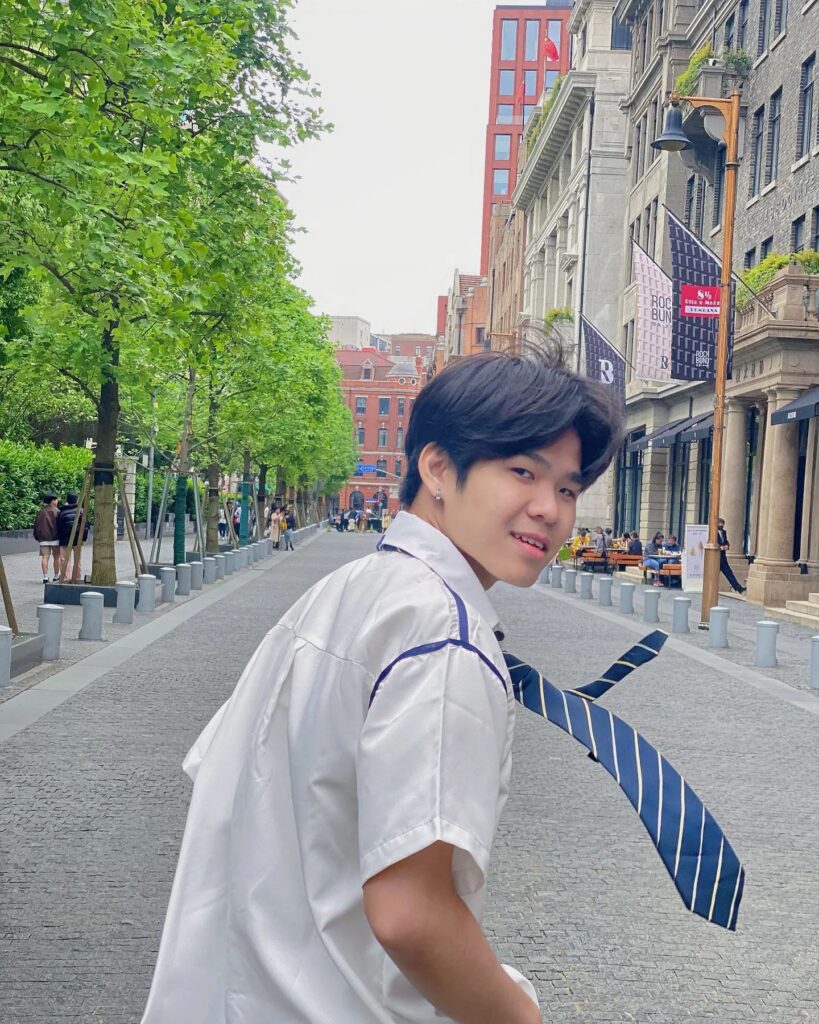
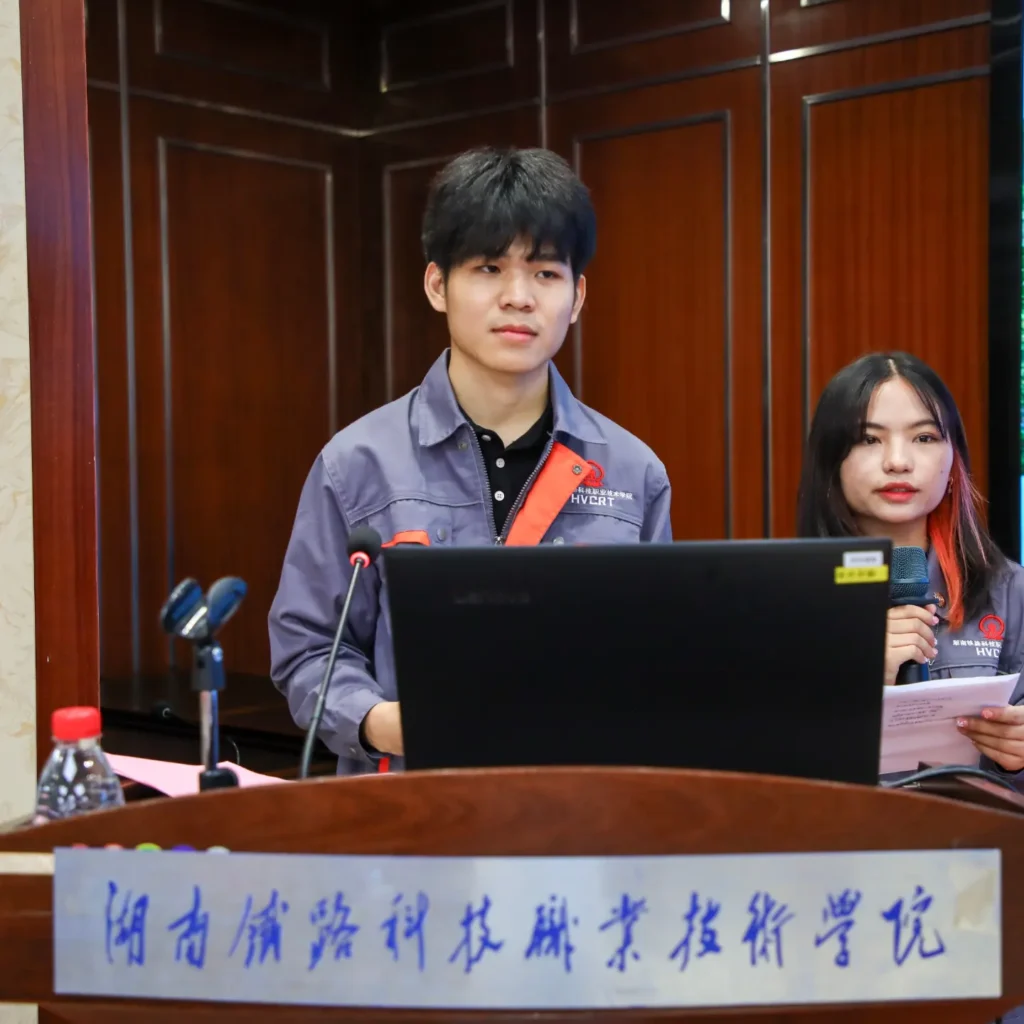
During her studies at SPU, Boonyavee had the opportunity to participate in an exchange program in China, a leading country in railway technology. She also held the role of class leader, coordinating, looking after her peers, and managing various problems. These experiences helped shape her professional skills, responsibility, and leadership qualities.
Latte reflected that what differed from expectations on the first day was that learning wasn’t confined to the classroom but involved encountering real-world situations, locations, and systems—experiences that textbooks cannot replace.
Global opportunities start at SPU.
Another important source of support is the role of the faculty, especially Assoc. Prof. Dr. Chavalit Maneesri, Head of the Rail Systems Engineering Department, who provides close guidance and continuously encourages students to participate in international activities, competitions, and projects.
Currently, Latte is preparing for an internship with JR East in Japan, aiming to gain as much experience as possible to further develop Thailand’s rail system. In the future, she hopes to work on the high-speed rail project or a northern Thailand route to help reduce travel time back to her hometown and contribute to the development of her area.
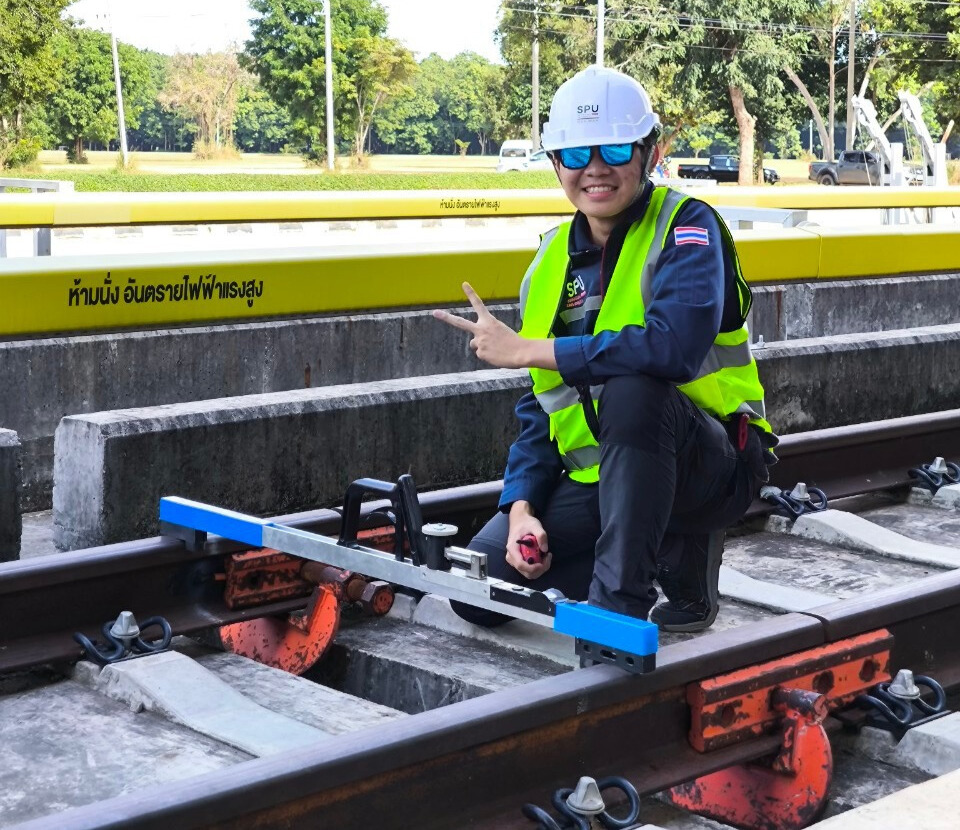
Young engineers and the future of Thailand's rail system.
Assoc. Prof. Dr. Chavalit Maneesri, Head of the Rail Systems Engineering Department, Faculty of Engineering, Sripatum University, explained that Latte’s success was not a coincidence, but the result of designing a learning system that emphasizes “real-world experience” coupled with continuous development of work attitudes.
SPU’s Railway Systems Engineering program bases its graduate production on real-world industry standards. This includes curriculum design based on the New Generation Graduate Program, incorporating professional skills throughout the academic year, and taking students on fieldwork through Railway Camps, short-term practical training, international exchange programs, and cooperative education. This ensures students are familiar with the operational systems before entering the job market.
At the same time, the faculty places equal importance on “human skills” as on engineering skills, including teamwork, cross-cultural communication, responsibility, and adaptability. These are cultivated through group activities and international experiences, particularly exchange programs in China, where students learn the language, culture, and work with people of diverse nationalities.
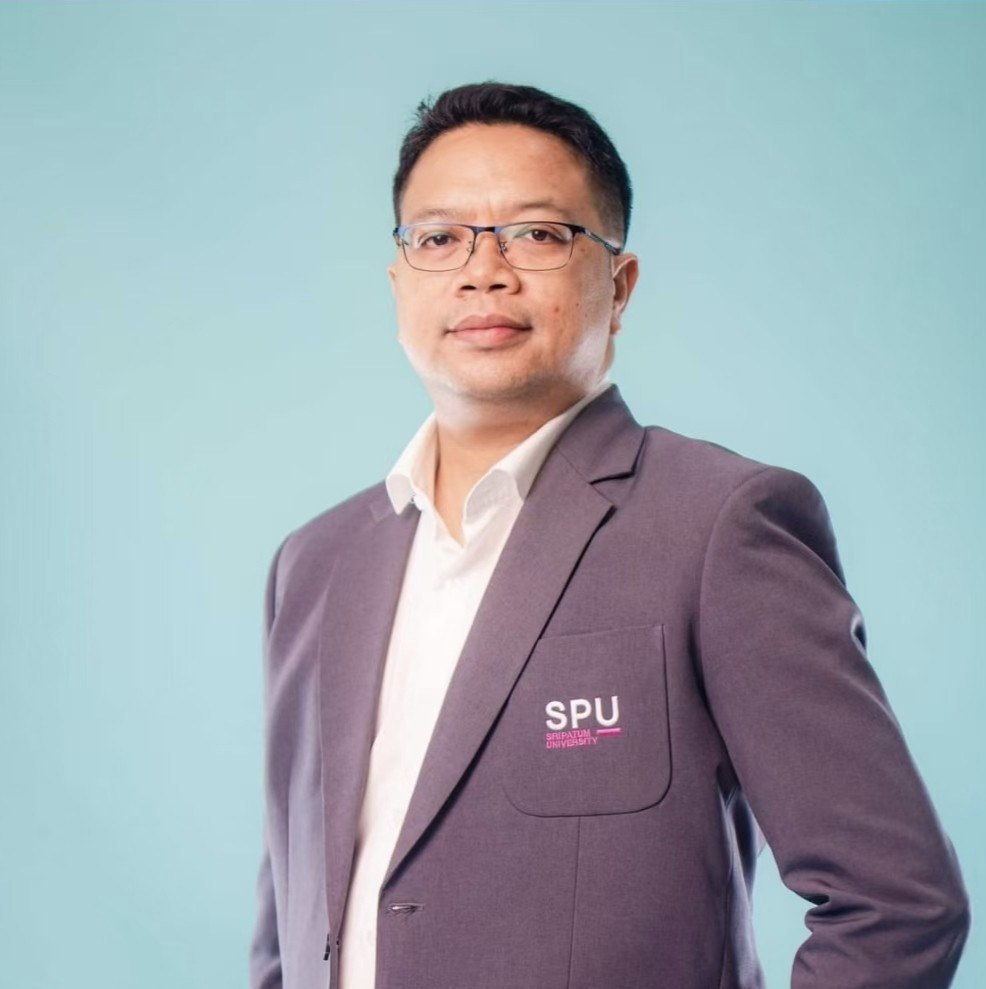
Asst. Prof. Dr. Chavalit Maneesri, Head of the Rail Systems Engineering Department, Faculty of Engineering, Sripatum University.
In terms of international opportunities, Asst. Prof. Dr. Chavalit stated that SPU is continuously expanding its collaborative network, both with HVCRT in China and with new partners such as JR East through JYT, to open up internship and co-operative education pathways abroad for talented students.
“The strength of SPU’s railway system students lies in their ability to combine ‘professional skills, language, and work attitude’ in one person—qualities that global organizations look for—and Bunyavee possesses all three.”
Assoc. Prof. Dr. Chavalit also views Japan as a model for rail systems in Asia and the world, both in terms of technology and management. While Thailand itself uses Japanese technology in many aspects, from the rolling stock and signaling systems to personnel development, the opportunity for Thai students to learn with JR East is like building a “bridge of knowledge” from abroad back to the Thai rail system in the future.
Beyond sending students abroad to gain experience, SPU takes a bigger picture of creating a new generation of individuals who can bring global knowledge back to Thailand and adapt it to the Thai context. This aims to upgrade infrastructure, reduce transportation disparities, and enhance the country’s long-term competitiveness.
My dream's ultimate destination is my hometown.
Latte advises young people interested in this field that while the railway system may still be a relatively new profession in Thailand, it’s full of opportunities. Just be open-minded, willing to learn, and accumulate experience, because the knowledge you gain today will become a crucial strength in your future career.
The story of ‘Latte – Bunyavee Sirirat’ is therefore not just about the success of one student, but also reflects the development of the new generation by Sripatum University, connecting Thai classrooms to world-class rail systems and concretely sending hope back to her hometown.
#SripatumUniversity #SPU #FacultyofEngineering #SPUExperiencedLearners #DEKSE #showcase #RailwaySystemsEngineering