
Water saving at Sripatum University starts long before anyone turns on a tap. Under the university’s Energy and Environmental Conservation Policy, every new building and every renovation must meet national efficiency standards, and the Sustainable Resource Procurement policy steers purchasing toward certified, environmentally sound materials.
Together these policies give the Office of Buildings and Facilities a clear rule: water efficiency is designed in from the start rather than added afterwards.
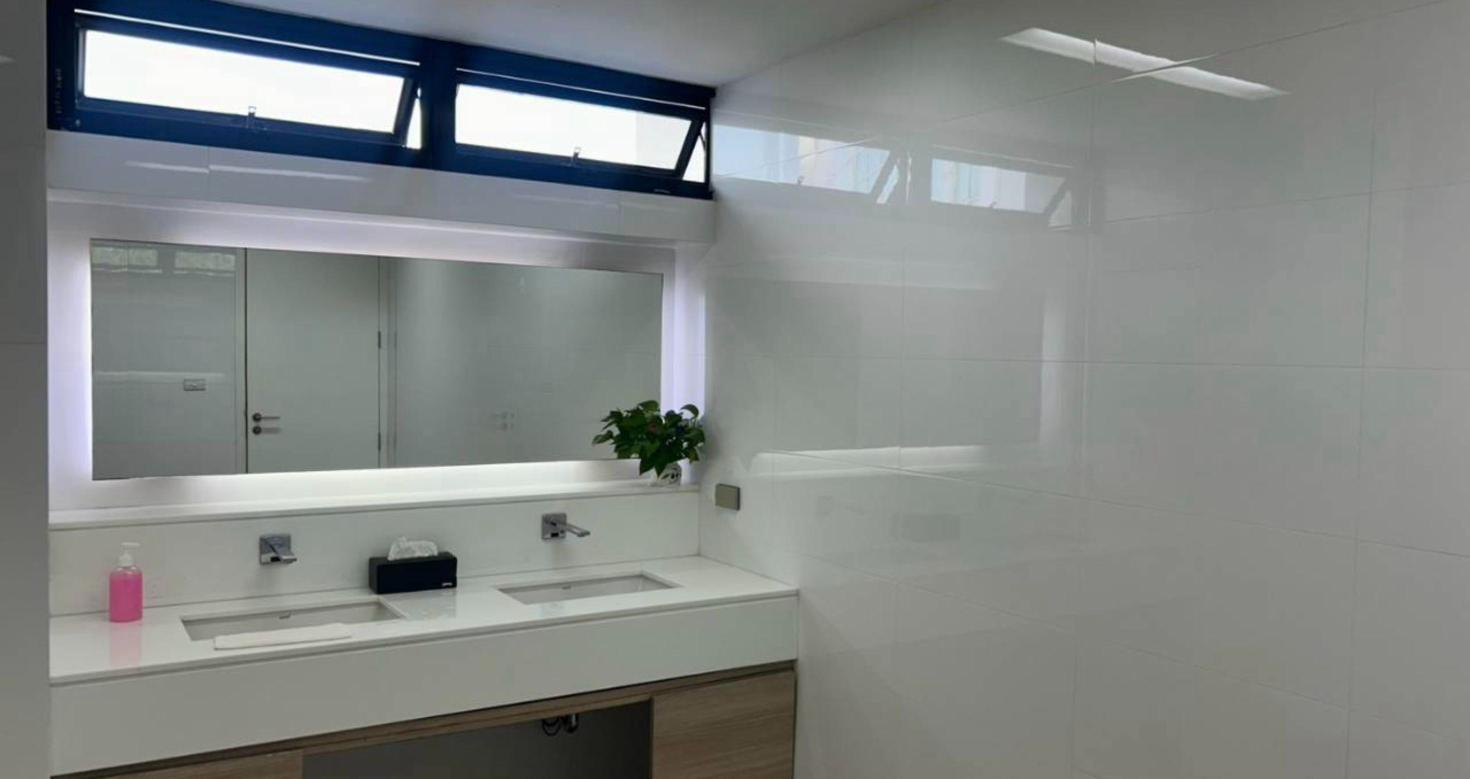
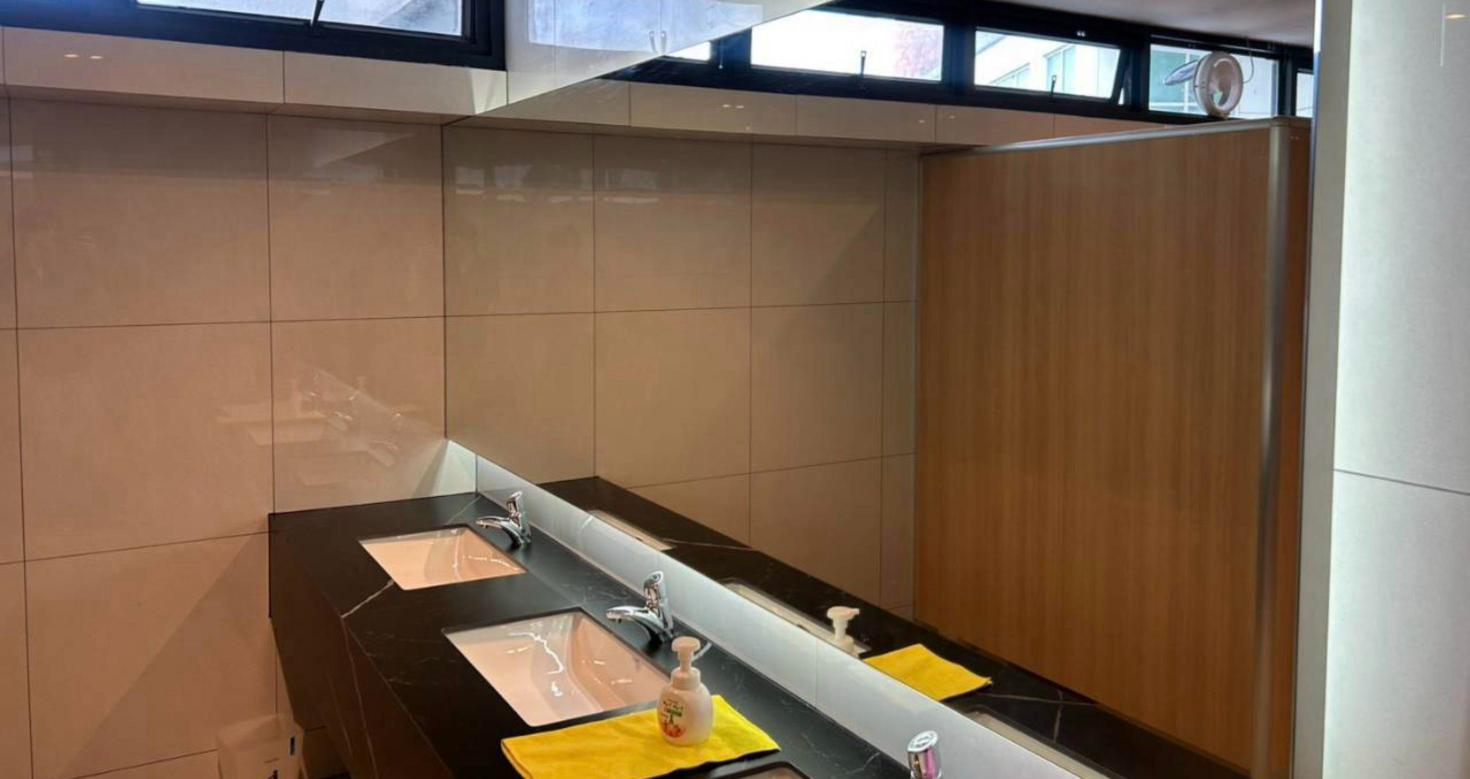
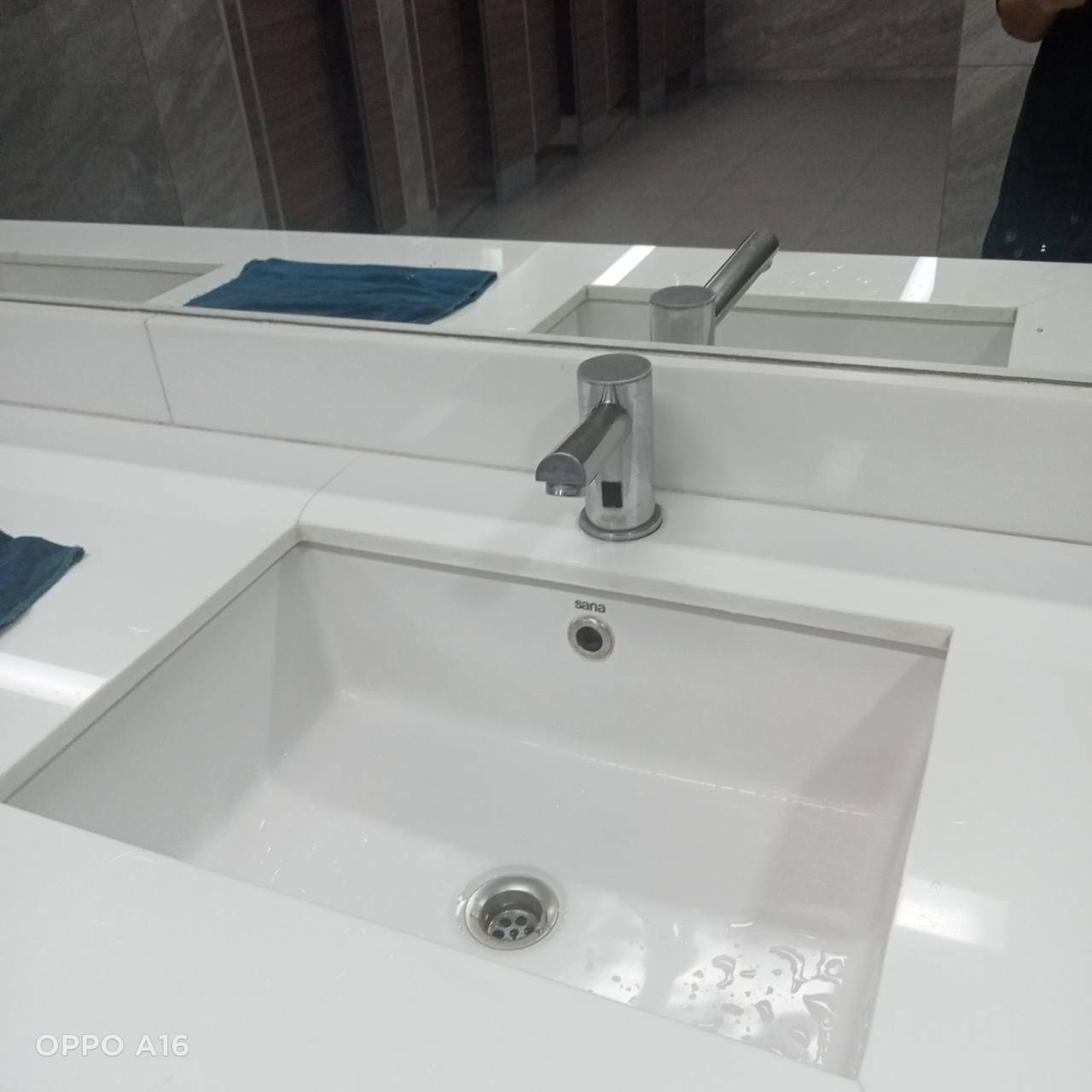 In practice, that rule shapes every restroom project. Sensor taps, self-closing push taps and pressure-reducing devices are specified whenever restrooms are built or refitted, so people use only the water they need. Behind the walls, the engineering team maintains pipes, pumps and storage tanks to engineering standards and uses leak detection to catch losses early.
Campus buildings also go through statutory inspections under Thailand’s building control law, and those inspections cover sanitary and environmental systems. The university is also building the skills and tools for the next round of upgrades. Point-cloud scans and BIM models of existing buildings now give designers an accurate base for renovation, and the Faculty of Engineering has run training on Thailand’s TREEs green-building criteria, which reward efficient water use.
Water efficiency is designed in from the start rather than added afterwards.
By making water efficiency part of its building standards, SPU turns everyday infrastructure into a quiet, lasting contribution to SDG 6: Clean Water and Sanitation.
#SPU #SPUSDGs #SDG6 #CleanWater #WaterConservation #GreenCampus
ทุกหยดมีค่า: มาตรฐานอาคาร SPU ที่ออกแบบมาเพื่อประหยัดน้ำ
 ตั้งแต่ระดับนโยบายจนถึงก๊อกน้ำในห้องน้ำ มหาวิทยาลัยศรีปทุมออกแบบ ปรับปรุง และดูแลอาคารโดยคำนึงถึงการใช้น้ำอย่างคุ้มค่า การประหยัดน้ำที่มหาวิทยาลัยศรีปทุมเริ่มตั้งแต่ก่อนมีใครเปิดก๊อกน้ำ นโยบายการอนุรักษ์พลังงานและสิ่งแวดล้อมของมหาวิทยาลัยกำหนดให้การสร้างอาคารใหม่และการปรับปรุงอาคารทุกครั้งต้องมีประสิทธิภาพและเป็นไปตามมาตรฐาน และนโยบายการจัดหาทรัพยากรอย่างยั่งยืนก็ให้เลือกใช้วัสดุที่ได้รับการรับรองและเป็นมิตรต่อสิ่งแวดล้อม สำนักงานอาคารสถานที่จึงมีหลักชัดเจนว่าต้องออกแบบให้ประหยัดน้ำตั้งแต่ต้น ไม่ใช่ค่อยแก้ทีหลัง
หลักนี้เห็นได้ในงานห้องน้ำทุกโครงการ เมื่อสร้างหรือปรับปรุงห้องน้ำจะกำหนดให้ใช้ก๊อกน้ำแบบเซนเซอร์ ก๊อกแบบกดปิดเอง และอุปกรณ์ลดแรงดันน้ำ ผู้ใช้จึงใช้น้ำเท่าที่จำเป็น ส่วนงานที่มองไม่เห็นหลังผนัง ทีมวิศวกรรมดูแลท่อ ปั๊ม และถังเก็บน้ำตามหลักวิศวกรรม และตรวจหาจุดรั่วซึมเพื่อหยุดการสูญเสียน้ำตั้งแต่เนิ่น ๆ อาคารยังได้รับการตรวจสอบตามกฎหมายควบคุมอาคาร ซึ่งครอบคลุมระบบสุขอนามัยและสิ่งแวดล้อม
มหาวิทยาลัยกำลังเตรียมทั้งคนและเครื่องมือสำหรับการปรับปรุงรอบต่อไป แบบจำลอง Point Cloud และ BIM ของอาคารเดิมช่วยให้นักออกแบบมีข้อมูลที่แม่นยำก่อนลงมือปรับปรุง และคณะวิศวกรรมศาสตร์ได้จัดอบรมเกณฑ์อาคารเขียว TREEs ซึ่งให้ความสำคัญกับการใช้น้ำอย่างมีประสิทธิภาพ
ออกแบบให้ประหยัดน้ำตั้งแต่ต้น ไม่ใช่ค่อยแก้ทีหลัง
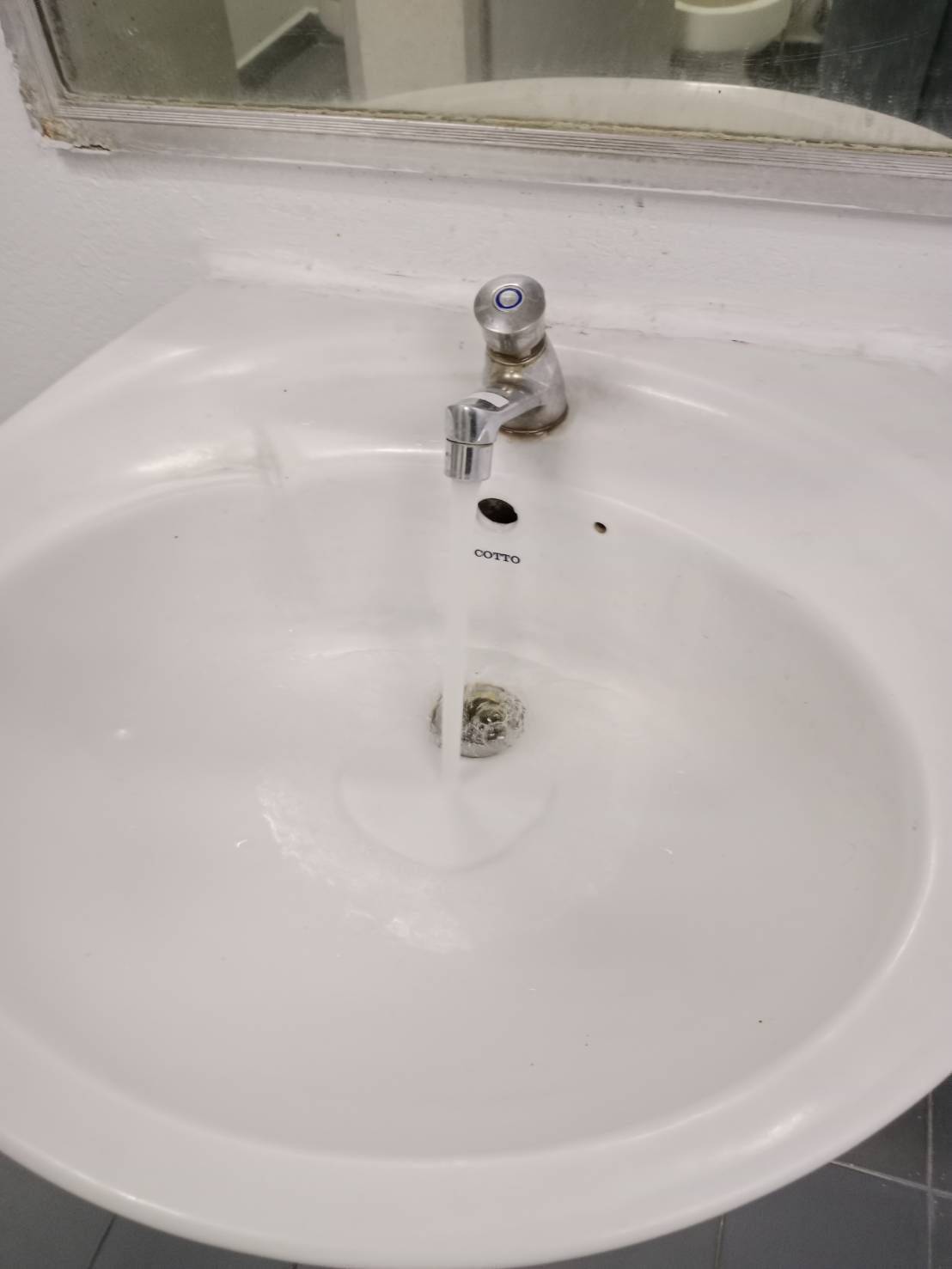
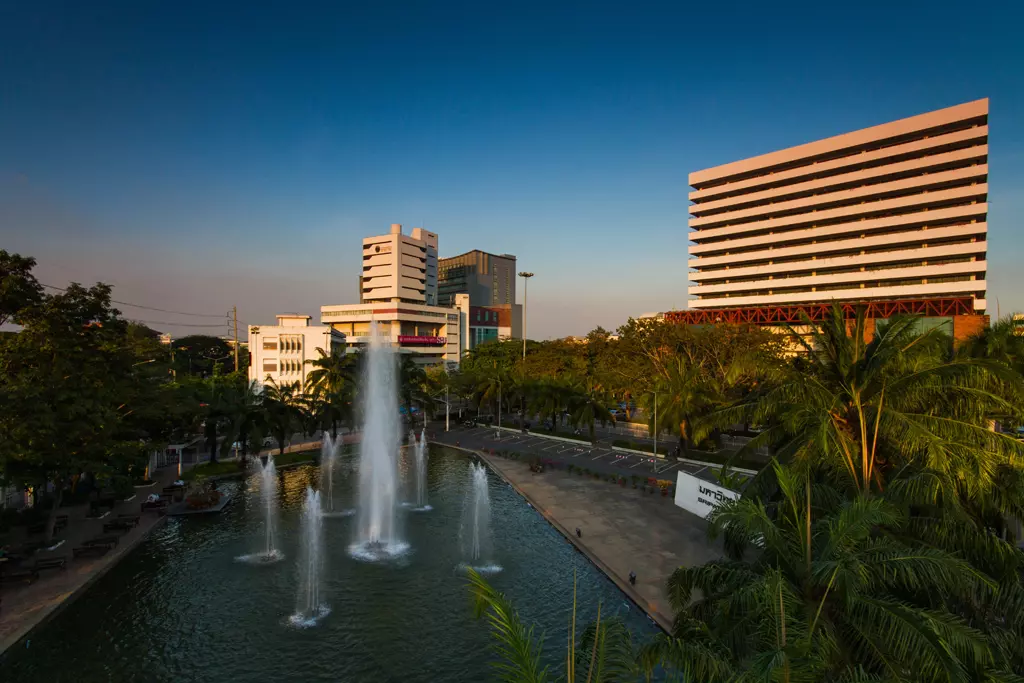
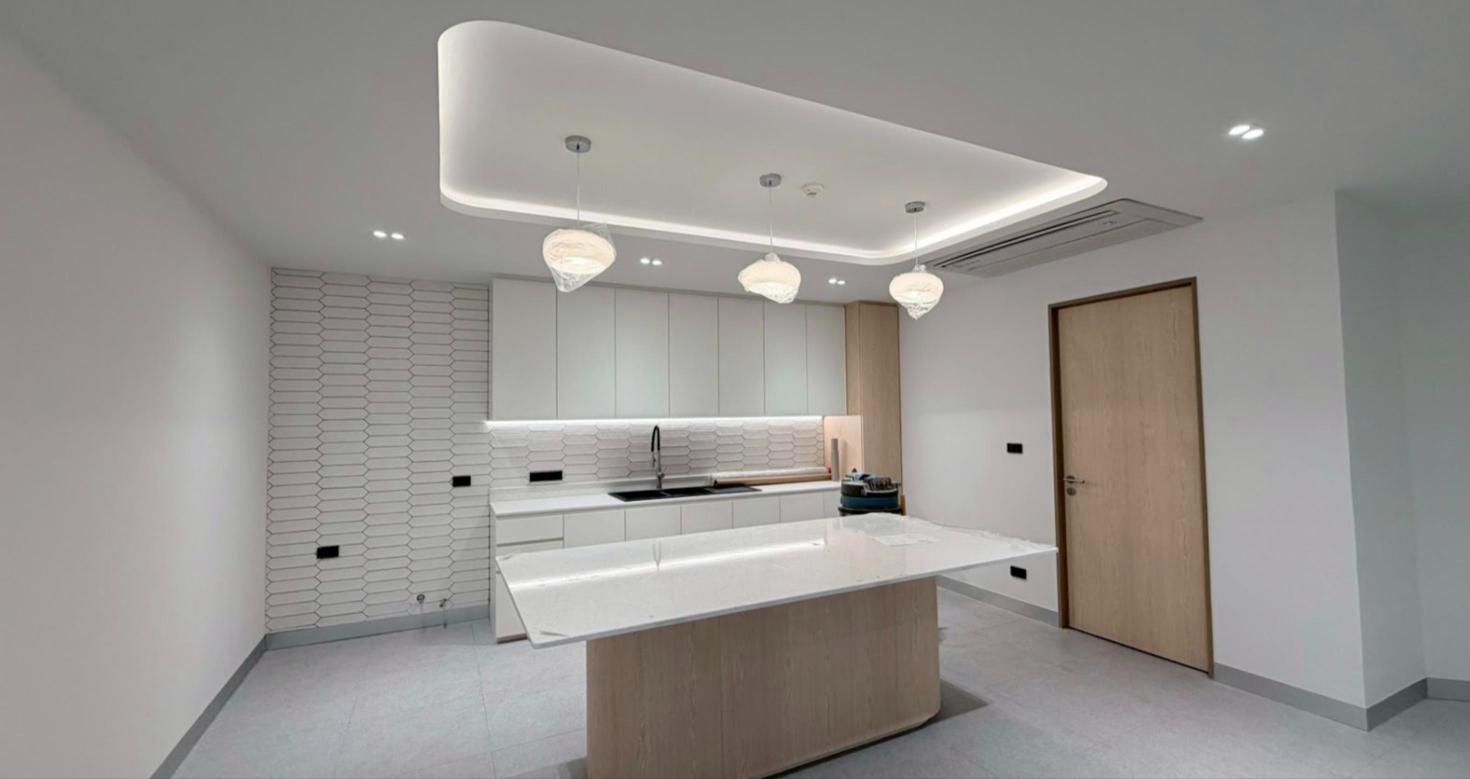
การบรรจุเรื่องประหยัดน้ำไว้ในมาตรฐานอาคาร ทำให้โครงสร้างพื้นฐานที่ใช้ทุกวันของ SPU เป็นส่วนหนึ่งของการขับเคลื่อน SDG 6 น้ำสะอาดและสุขาภิบาลอย่างยั่งยืน
Policy Documents | เอกสารนโยบายที่อ้างถึง
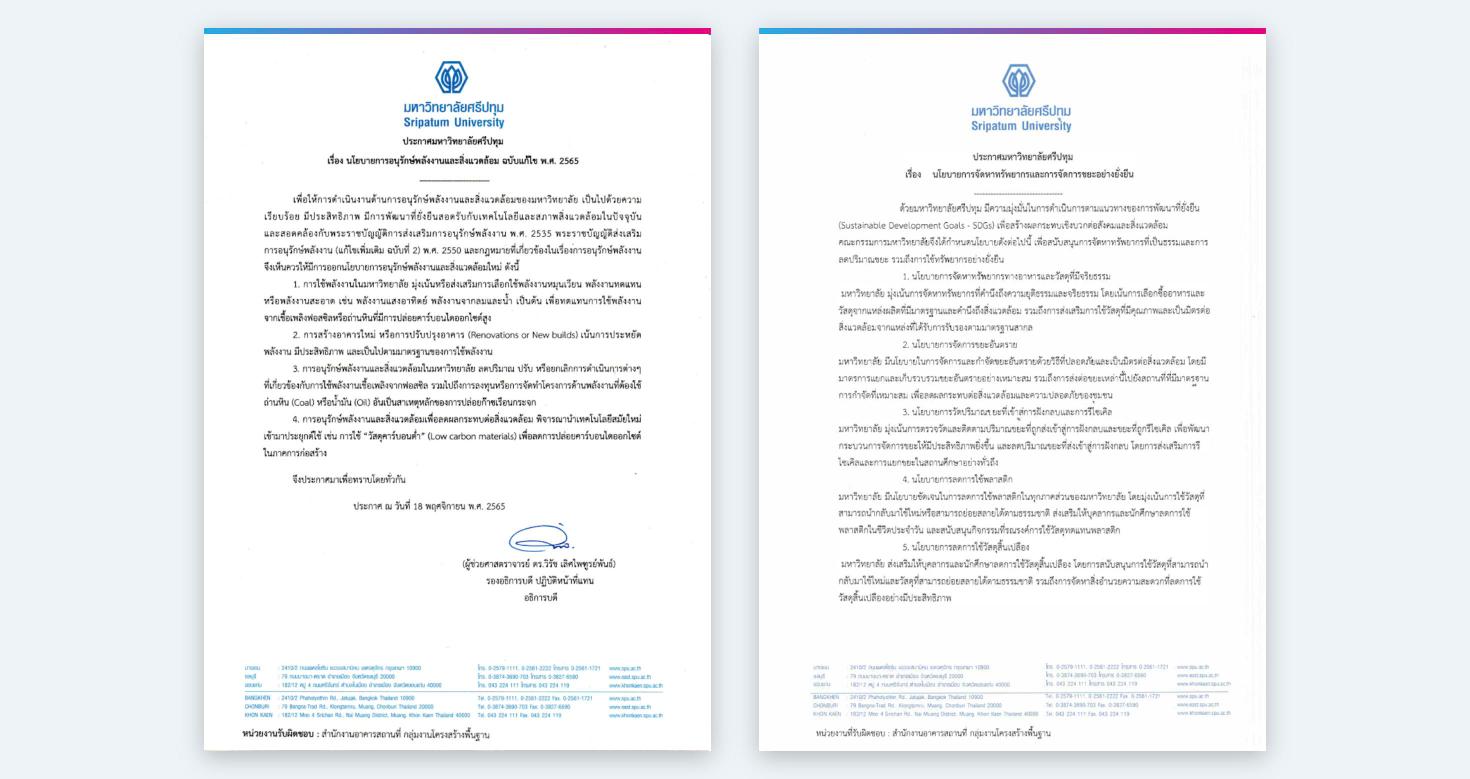
- Energy and Environmental Conservation Policy (Revised 2022)
ประกาศมหาวิทยาลัยศรีปทุม เรื่อง นโยบายการอนุรักษ์พลังงานและสิ่งแวดล้อม ฉบับแก้ไข พ.ศ. 2565 - Sustainable Resource Procurement and Waste Management Policy (2023)
ประกาศมหาวิทยาลัยศรีปทุม เรื่อง นโยบายการจัดหาทรัพยากรและการจัดการขยะอย่างยั่งยืน
#มหาวิทยาลัยศรีปทุม #SPUSDGs #ประหยัดน้ำ #อาคารเขียว #GreenCampus