
Reporting period: 1 August 2025 – 31 July 2026
One page, one year, every commitment: SPU’s public account of how it cut energy waste on campus, kept coal and oil out of its plans, and helped communities, students, industry and policymakers move toward affordable, clean energy.
Sripatum University (SPU) reports its progress on SDG 7 openly every year, because an energy transition only earns trust when others can check it. This report covers the 2025/26 academic year.
Under the Alpha Ready Roadmap and the university’s Energy and Environmental Conservation Policy (Announcement 100/2565), the Energy Management Committee and the Office of Buildings and Facilities manage energy as one system. They measure it, review it every year and fix the largest losses first. Students, staff and partners are part of that system too.
Cutting energy waste and carbon on campus
- Efficiency built into every build: Every new building and renovation must meet Thailand’s Building Energy Code for the building envelope, lighting and air-conditioning, from design through to handover.
- Keeping coal and oil out: The same policy directs SPU to reduce or end activities and investments that rely on fossil fuels, and to favour solar and other clean energy instead.
- Annual energy reviews: As a designated building under the Energy Conservation Promotion Act, SPU files an Energy Management Report with the Ministry of Energy every year. The latest review ranked air-conditioning as the largest source of energy loss and lighting as the second.
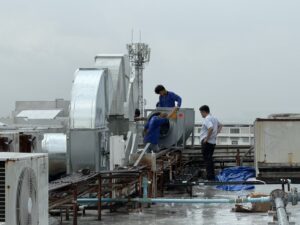
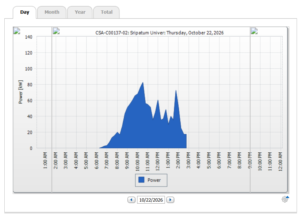
- Upgrades delivered: Ageing fixed-speed air-conditioners were replaced with zoned and inverter systems in Buildings 1, 5 and 9. Motion-sensor lighting now controls restrooms, and gymnasium lighting was renewed. Standalone solar lights now line dark walkways, and lift drives were modernised. A survey of Food Centre 2 now guides its next retrofit.
- Everyone saves: From 19 March 2026, SPU moved theory classes to hybrid learning in support of Thailand’s national energy-saving policy. It also asked everyone on campus to switch off equipment after use and to take the stairs for one to three floors.
- Carbon management: Energy use is recorded monthly. Verified savings feed SPU’s greenhouse gas inventory, which supports the university’s carbon-neutral pathway.
Sharing clean energy beyond campus
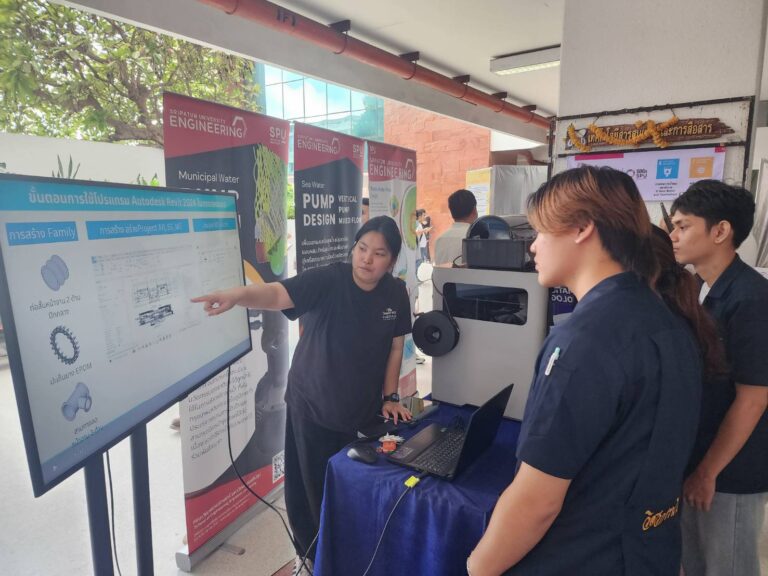
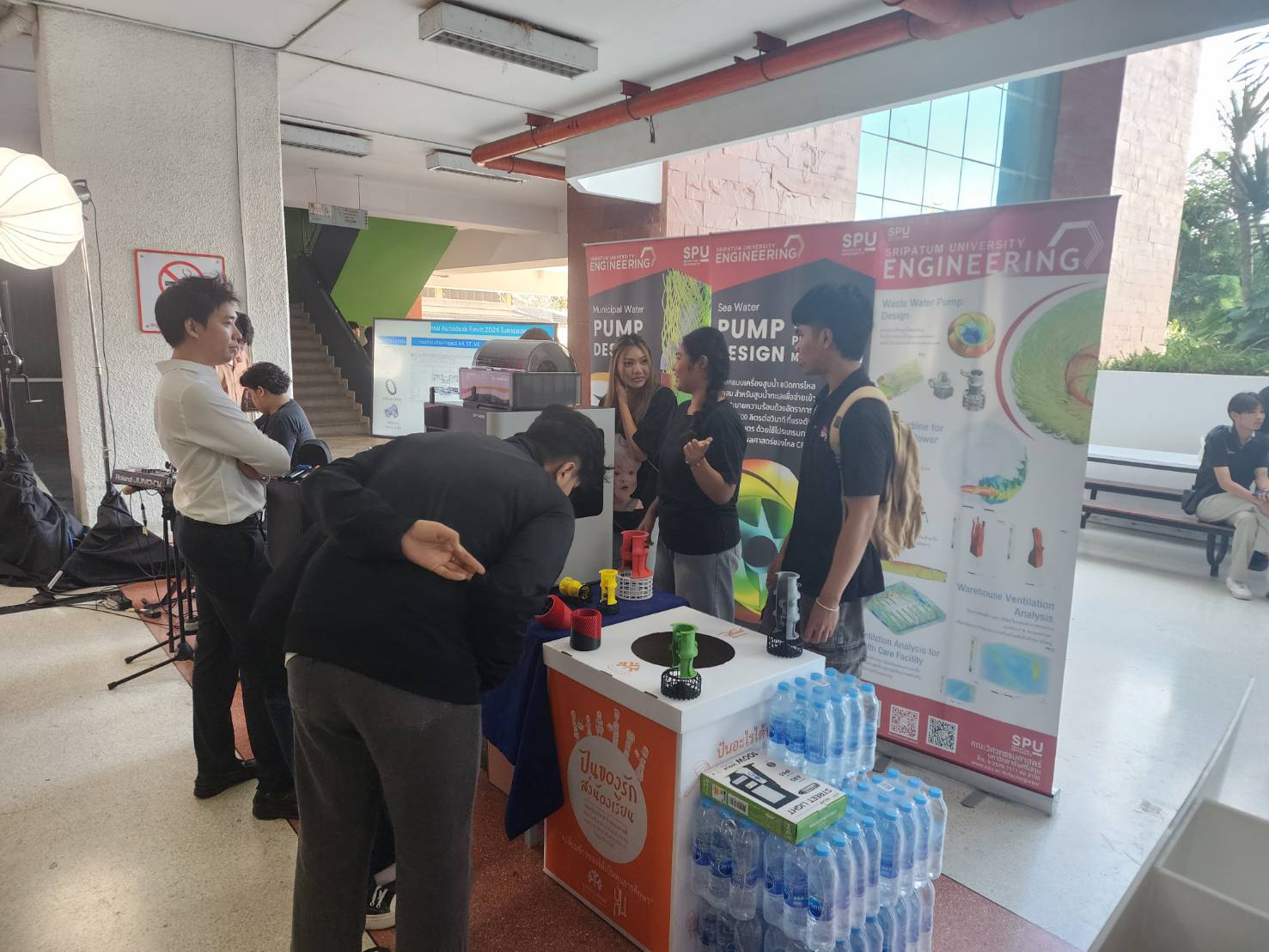
- Solar light for the community: At SPU Giving Day (31 October 2025), engineering students and lecturers showcased a solar-powered smart lighting system designed for the Bang Bua Saphan Mai 1 community. The system makes public spaces safer without adding pollution. SPU’s open ENSET-SME e-learning site also teaches anyone how to save energy in air-conditioning, compressed air and boiler systems.
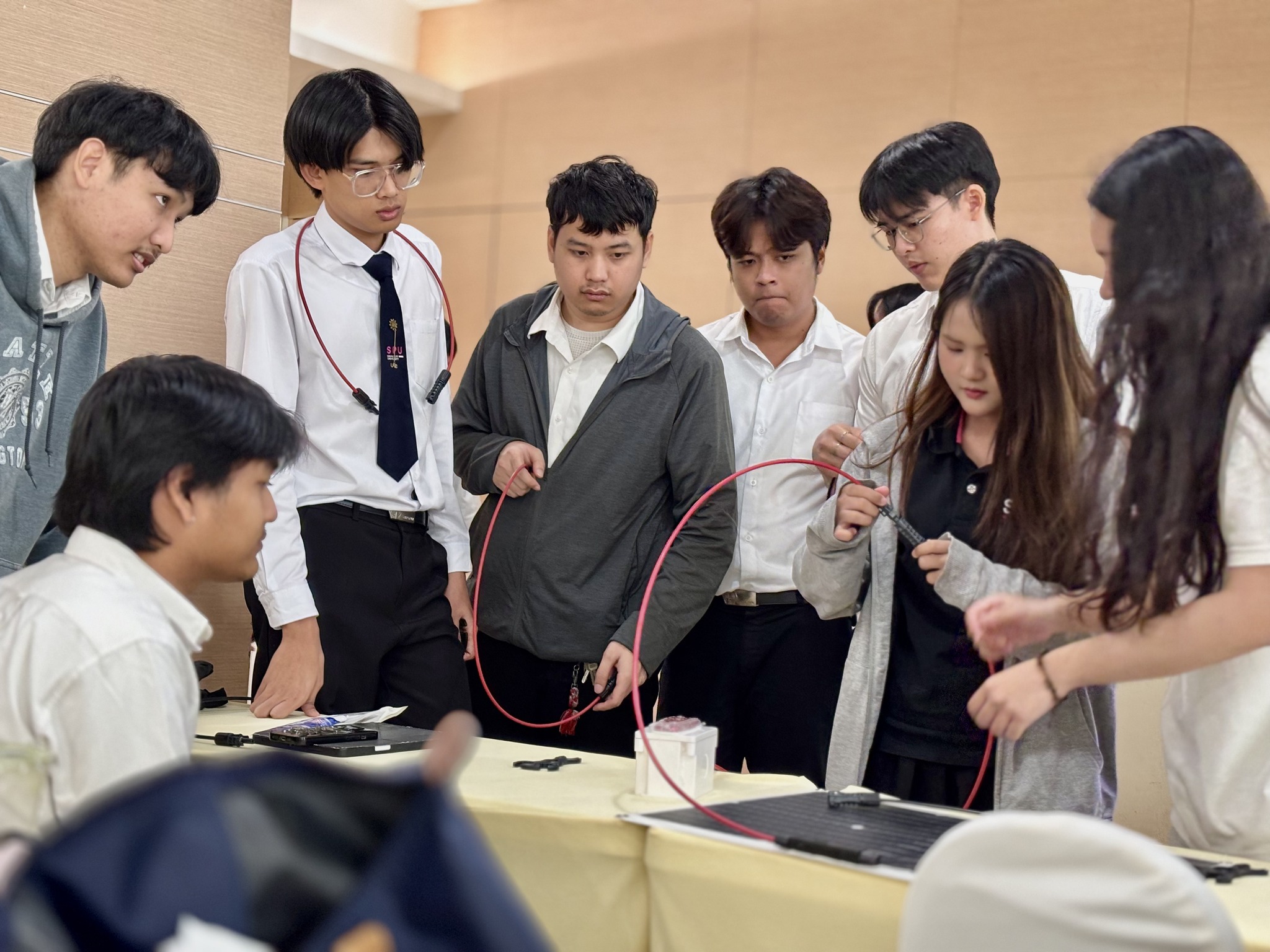
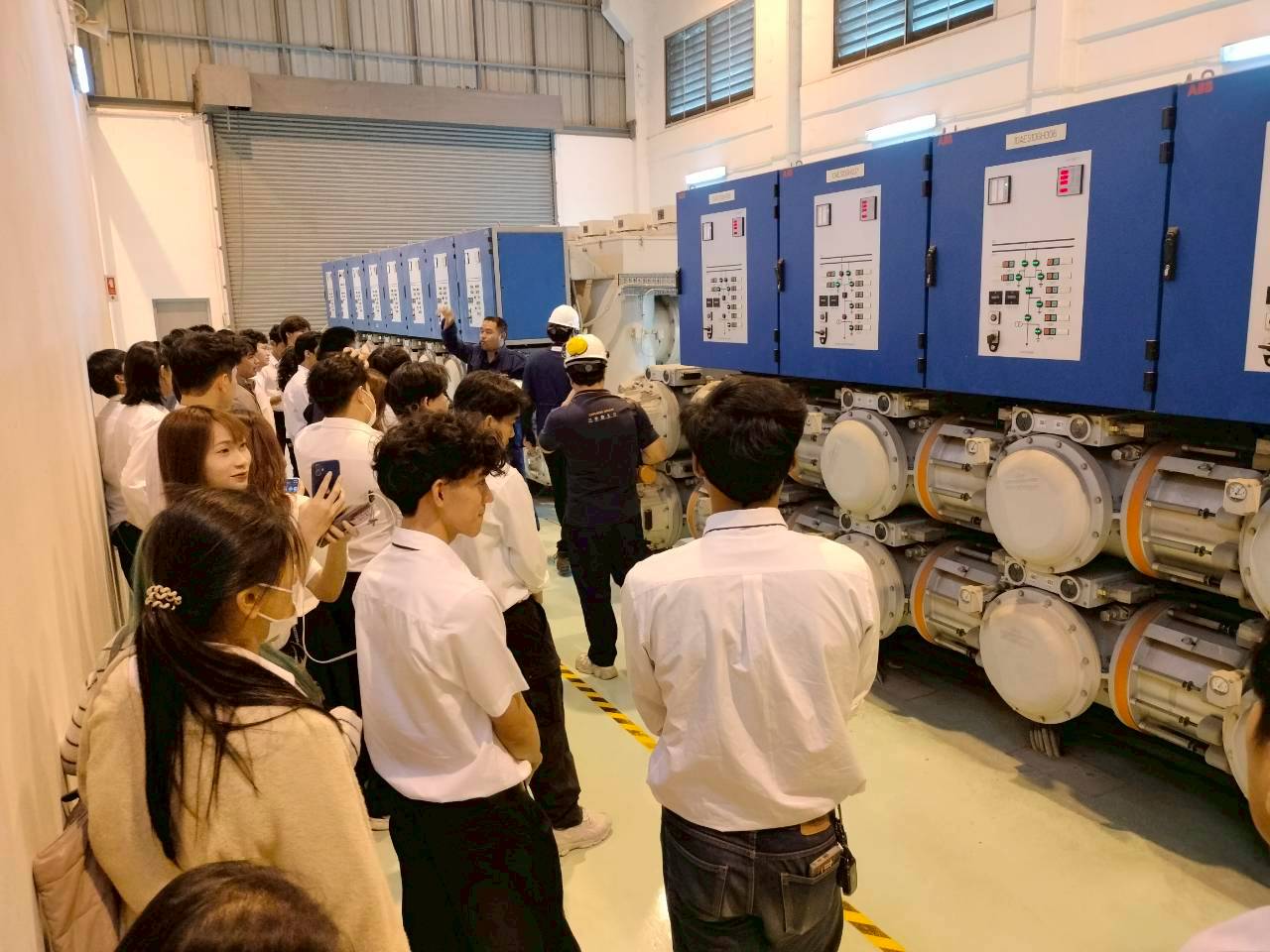
- Energy skills for the next generation: Electrical engineering students earned an industry certificate in solar cabling with Interlink Communication (11 February 2026), practising installation and testing hands-on. Mechanical engineering students studied heat recovery at the Bang Pa-in Cogeneration power plant. IT students worked with the National Innovation Agency (NIA) to analyse a real company’s energy use for its green transformation.
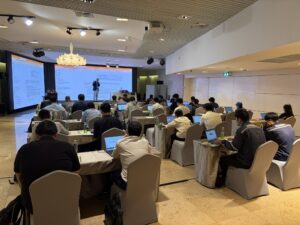
- Services for industry: With the Energy Institute for Industry of the Federation of Thai Industries, SPU ran a workshop on energy conservation for industrial utilities using a personal AI assistant (21 May 2026). SPU engineers also audit and verify energy management for designated factories and buildings.
- Supporting policy at every level: SPU helped build the Energy Point dashboard, funded by the Ministry of Energy’s Energy Conservation Promotion Fund, which maps SME energy data by industry and region. An SPU engineer helped draft standards for community solar farms. SPU shared its expertise at SPUCON2025, the SUN Thailand annual conference and the ASAIHL Winter Conference 2025, and joined the SDSN Thailand Public Forum and UN ESCAP’s Climate Change and SDG Synergy conference.
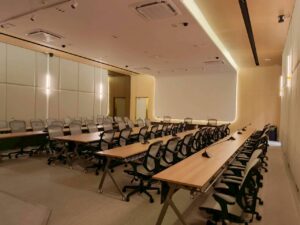
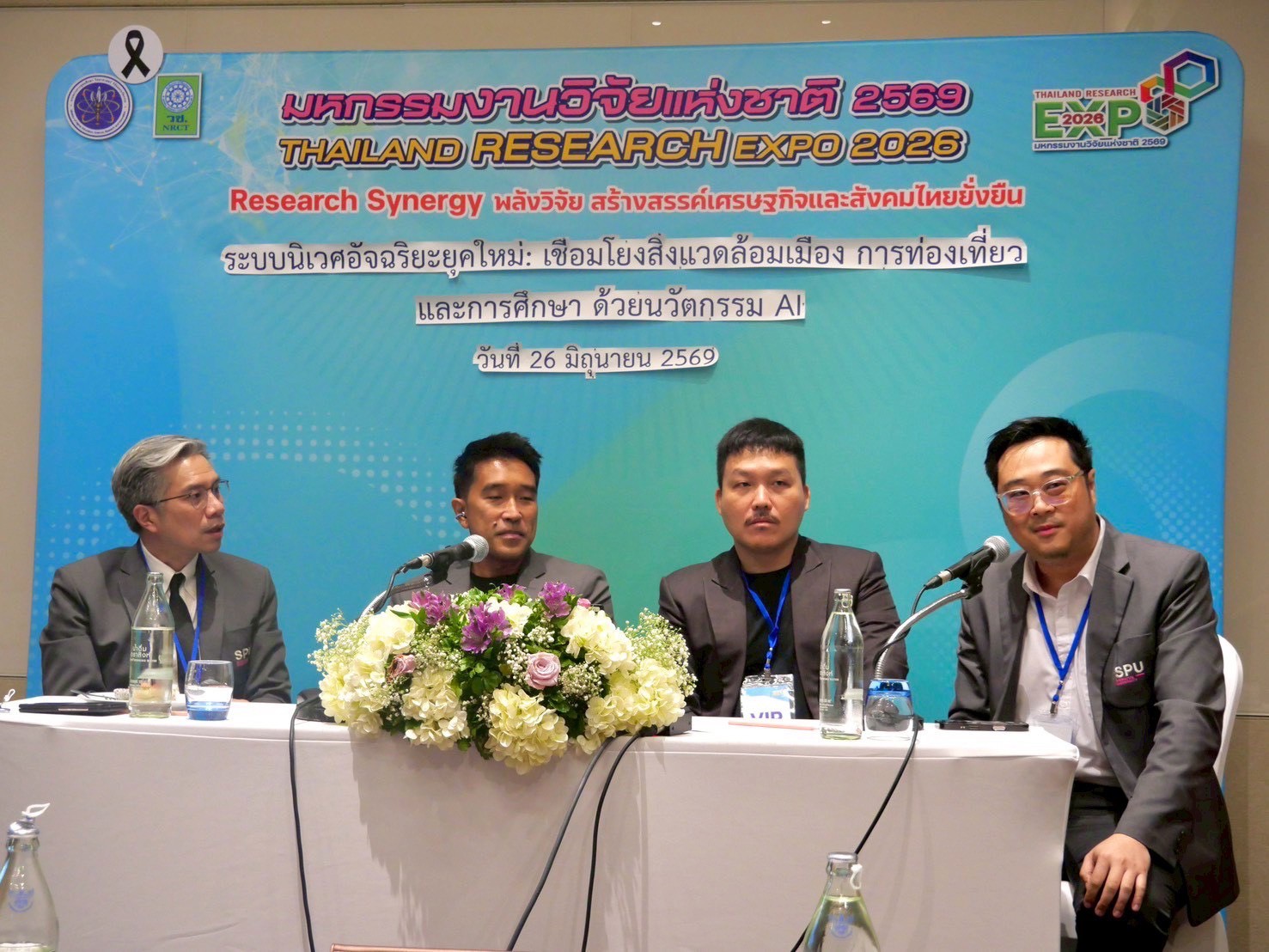
- Public dialogue on renewables: SPU engineers joined Energy Symposium 2025 on Thailand’s clean energy transition. SPU also hosted a smart city panel at Thailand Research Expo 2026.
- Low-carbon start-ups: TIE Smart Solution, led by SPU engineering faculty, won first prize at the National Innovation Award 2025 for an AIoT chiller-plant system that cuts building energy use. SPU also co-hosted the Co-Create Sustainability Hack 2025 with Ngee Ann Polytechnic, Singapore.
Together, these strands make clean energy a daily habit rather than a one-off project. Every measure has a responsible office, a yearly check and a public record. Next year SPU aims to:
- retrofit the Food Centre 2 air-conditioning and ventilation with energy-efficient equipment
- widen solar use on campus and in the communities around it
- bring AI-driven energy saving and solar skills to more students, local enterprises and start-ups
Every kilowatt counted, every saving shared.
At Sripatum University, reporting on SDG 7 is a promise kept in public. Each year we show how we used less energy, chose cleaner power and helped others do the same, so that affordable, clean energy stays within reach for campus, industry and community alike.
#SPU #SPUSDGs #SripatumUniversity #Sustainability #CleanEnergy #EnergyEfficiency #SDGReport #Transparency
รายงานความก้าวหน้า SDG 7 ปี 2568/69: มหาวิทยาลัยศรีปทุมประหยัดพลังงาน เลือกพลังงานสะอาด และสร้างทักษะพลังงานสู่สังคม
หนึ่งหน้า หนึ่งปี ครบทุกพันธกิจ รายงานต่อสาธารณะว่า SPU ลดการสูญเสียพลังงานในมหาวิทยาลัยอย่างไร หลีกเลี่ยงถ่านหินและน้ำมันอย่างไร และช่วยชุมชน นักศึกษา อุตสาหกรรม และผู้กำหนดนโยบายก้าวสู่พลังงานสะอาดอย่างไร
 มหาวิทยาลัยศรีปทุมเผยแพร่ความก้าวหน้าตาม SDG 7 ต่อสาธารณะทุกปี เพราะการเปลี่ยนผ่านพลังงานจะน่าเชื่อถือก็ต่อเมื่อผู้อื่นตรวจสอบได้ รายงานนี้ครอบคลุมปีการศึกษา 2568/69 (1 ส.ค. 2568 – 31 ก.ค. 2569)
ภายใต้ Alpha Ready Roadmap และนโยบายการอนุรักษ์พลังงานและสิ่งแวดล้อม (ประกาศ ปก.มศป.100/2565) คณะกรรมการจัดการพลังงานและสำนักงานอาคารสถานที่บริหารพลังงานเป็นระบบเดียว ตรวจวัด ทบทวนทุกปี และแก้จุดที่สูญเสียมากที่สุดก่อน โดยมีนักศึกษา บุคลากร และภาคีเครือข่ายร่วมเป็นส่วนหนึ่งของระบบนี้
ด้านการลดการสูญเสียพลังงานและคาร์บอนในมหาวิทยาลัย
- ประสิทธิภาพตั้งแต่การออกแบบ: อาคารใหม่และงานปรับปรุงทุกงานต้องเป็นไปตามเกณฑ์อาคารประหยัดพลังงาน (BEC) ครอบคลุมเปลือกอาคาร แสงสว่าง และระบบปรับอากาศ ตั้งแต่ออกแบบจนส่งมอบ
- ไม่ผูกกับถ่านหินและน้ำมัน: นโยบายกำหนดให้ลด ปรับ หรือยกเลิกกิจกรรมและการลงทุนที่พึ่งพาเชื้อเพลิงฟอสซิล และเลือกใช้พลังงานแสงอาทิตย์และพลังงานสะอาดแทน
- ตรวจหาจุดสูญเสียทุกปี: ในฐานะอาคารควบคุมตาม พ.ร.บ.การส่งเสริมการอนุรักษ์พลังงาน มหาวิทยาลัยจัดทำรายงานการจัดการพลังงานส่งกระทรวงพลังงานทุกปี ผลล่าสุดพบว่าระบบปรับอากาศสูญเสียมากที่สุด รองลงมาคือแสงสว่าง
- ปรับปรุงจริง: เปลี่ยนแอร์ความเร็วคงที่อายุยาวนานเป็นระบบแบ่งโซนและอินเวอร์เตอร์ในอาคาร 1, 5 และ 9 ติดตั้ง Motion Sensor ควบคุมไฟห้องน้ำ ปรับปรุงไฟโรงยิม ติดตั้งไฟทางเดินพลังงานแสงอาทิตย์ และปรับปรุงระบบขับลิฟต์ ส่วนผลสำรวจศูนย์อาหาร 2 ใช้วางแผนปรับปรุงในระยะถัดไป
- ทุกคนร่วมประหยัด: ตั้งแต่ 19 มี.ค. 2569 มหาวิทยาลัยปรับรายวิชาภาคทฤษฎีเป็น Hybrid Learning เพื่อสนับสนุนนโยบายประหยัดพลังงานของประเทศ พร้อมขอความร่วมมือให้ปิดอุปกรณ์ไฟฟ้าหลังใช้งาน และใช้บันไดแทนลิฟต์สำหรับชั้น 1–3
- การจัดการคาร์บอน: บันทึกการใช้พลังงานรายเดือน และนำผลประหยัดที่ตรวจวัดได้เข้าสู่บัญชีก๊าซเรือนกระจก เพื่อสนับสนุนเส้นทางสู่ความเป็นกลางทางคาร์บอน
ด้านการขยายพลังงานสะอาดสู่สังคม
- แสงสว่างพลังงานแสงอาทิตย์เพื่อชุมชน: งาน SPU Giving Day (31 ต.ค. 2568) นักศึกษาและอาจารย์คณะวิศวกรรมศาสตร์จัดแสดงระบบ Smart Lighting พลังงานแสงอาทิตย์สำหรับชุมชนบางบัว สะพานไม้ 1 ช่วยให้พื้นที่สาธารณะปลอดภัยขึ้นโดยไม่ก่อมลพิษ และเว็บไซต์ e-Learning ENSET-SME เปิดให้ทุกคนเรียนการอนุรักษ์พลังงานได้
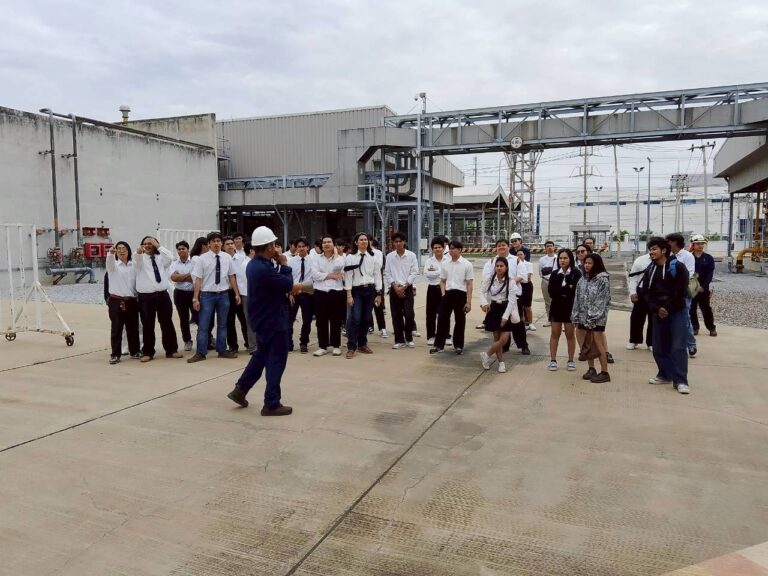
- สร้างทักษะพลังงานให้คนรุ่นใหม่: นักศึกษาวิศวกรรมไฟฟ้าอบรมหลักสูตรมาตรฐานอุตสาหกรรม Solar Cabling ร่วมกับบริษัท อินเตอร์ลิ้งค์ฯ ฝึกติดตั้งและทดสอบจริง และได้รับใบรับรองวิชาชีพ (11 ก.พ. 2569) นักศึกษาวิศวกรรมเครื่องกลศึกษาระบบนำความร้อนกลับมาใช้ที่โรงไฟฟ้าบางปะอินโคเจนเนอเรชั่น และนักศึกษาคณะเทคโนโลยีสารสนเทศร่วมกับ NIA วิเคราะห์การใช้พลังงานขององค์กรจริงเพื่อ Green Transformation
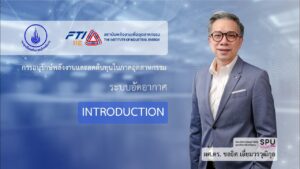
- บริการภาคอุตสาหกรรม: ร่วมกับสถาบันพลังงานเพื่ออุตสาหกรรม สภาอุตสาหกรรมแห่งประเทศไทย จัดอบรมกลยุทธ์อนุรักษ์พลังงานในระบบสาธารณูปโภคโรงงานด้วยผู้ช่วย AI (21 พ.ค. 2569) และให้บริการตรวจสอบรับรองการจัดการพลังงานของโรงงานและอาคารควบคุม
- สนับสนุนนโยบายทุกระดับ: พัฒนาฐานข้อมูล Energy Point ภายใต้กองทุนเพื่อส่งเสริมการอนุรักษ์พลังงาน อาจารย์ SPU ร่วมยกร่างข้อกำหนดโซลาร์ฟาร์มชุมชน ร่วมเวที SPUCON2025, SUN Thailand และ ASAIHL 2025 และร่วม SDSN Thailand Public Forum และการประชุม Climate Change and SDG Synergy ของ UN ESCAP
- เวทีสาธารณะด้านพลังงานหมุนเวียน: คณาจารย์ร่วม Energy Symposium 2025 และ SPU จัดเวทีเสวนาเมืองอัจฉริยะในมหกรรมงานวิจัยแห่งชาติ 2026
- สตาร์ทอัพคาร์บอนต่ำ: TIE Smart Solution ของอาจารย์คณะวิศวกรรมศาสตร์คว้ารางวัลนวัตกรรมแห่งชาติ 2568 จากระบบ AIoT บริหารระบบทำความเย็นที่ลดพลังงานอาคาร และ SPU ร่วมกับ Ngee Ann Polytechnic จัด Co-Create Sustainability Hack 2025
ทุกมาตรการมีหน่วยงานรับผิดชอบ มีการทบทวนทุกปี และมีบันทึกต่อสาธารณะ พลังงานสะอาดจึงเป็นนิสัยประจำวัน ไม่ใช่โครงการครั้งเดียว ก้าวต่อไป มหาวิทยาลัยมุ่ง
- ปรับปรุงระบบปรับอากาศและระบายอากาศศูนย์อาหาร 2
- ขยายการใช้พลังงานแสงอาทิตย์ในมหาวิทยาลัยและชุมชนรอบข้าง
- ถ่ายทอดการประหยัดพลังงานด้วย AI และทักษะโซลาร์สู่นักศึกษา ผู้ประกอบการ และสตาร์ทอัพมากขึ้น
ทุกหน่วยพลังงานถูกนับ ทุกผลประหยัดถูกแบ่งปัน
สำหรับมหาวิทยาลัยศรีปทุม การรายงาน SDG 7 คือคำมั่นที่รักษาต่อหน้าสาธารณชน ทุกปีเราแสดงให้เห็นว่าใช้พลังงานน้อยลงอย่างไร เลือกพลังงานที่สะอาดขึ้นอย่างไร และช่วยผู้อื่นทำเช่นเดียวกันอย่างไร เพื่อให้พลังงานสะอาดที่เข้าถึงได้อยู่ใกล้ทุกคน ทั้งในมหาวิทยาลัย ภาคอุตสาหกรรม และชุมชน
#SPU #SPUSDGs #มหาวิทยาลัยศรีปทุม #พลังงานสะอาด #ประหยัดพลังงาน #พลังงานแสงอาทิตย์ #รายงานSDG #ความโปร่งใส