From ASEAN–China forums to Thai–Chinese standards workshops and a Thai–Singapore sustainability lab, Sripatum University turns international cooperation into practical know-how that partners can adopt.
 The SDGs are not met by any single country working alone, and no one country holds all the answers. Sripatum University (SPU) treats international collaboration as a way to learn, not only to network. The university places partners side by side, compares how each tackles shared challenges, and keeps what works. This approach supports SPU’s Alpha Ready strategy for internationalisation and research-driven quality. It is carried out through the Office of International Relations, the Research Promotion and Quality Assurance Center, and the faculties.
During 2025–2026 this approach took concrete form.
- ACAPHEI forum (November 2025): SPU serves as ASEAN Secretariat of the ACAPHEI network. At the network’s Annual Meeting & Seventh ASEAN–China Forum at Geely University, Sichuan, SPU delivered the keynote “Sustainable Education Community Empowered by AI”. It shared its AI-integrated teaching model so that peer institutions could adapt it.
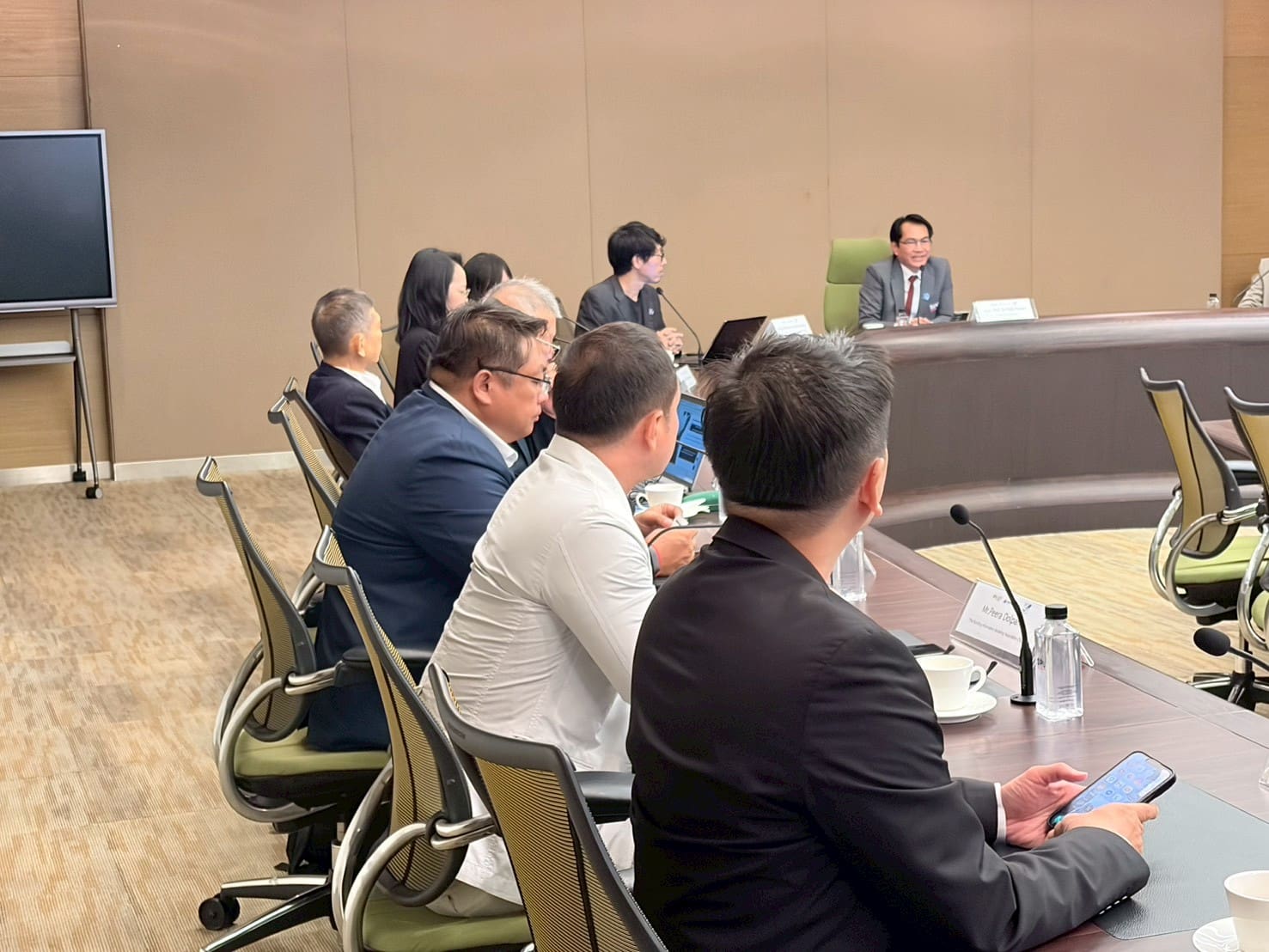
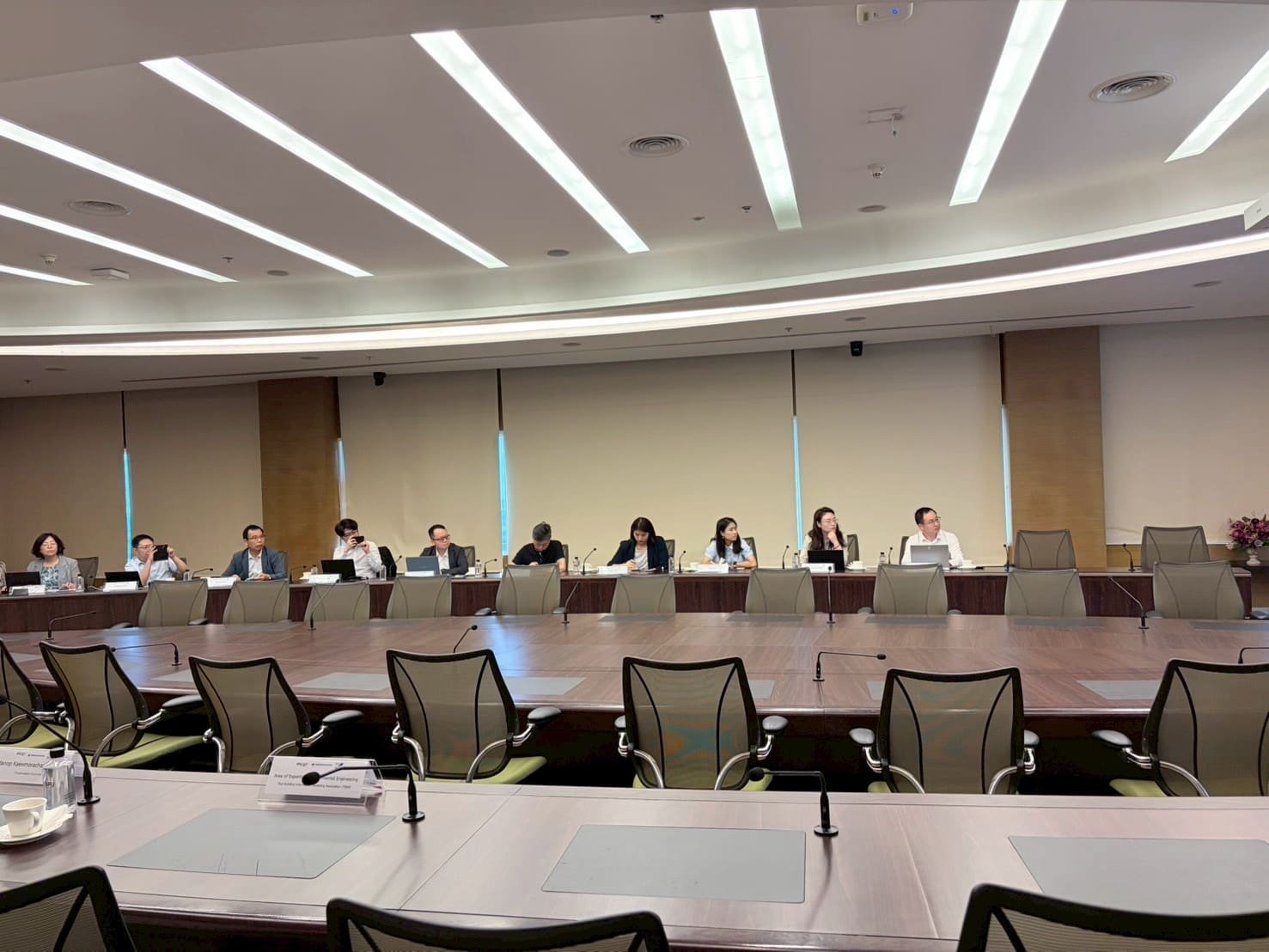
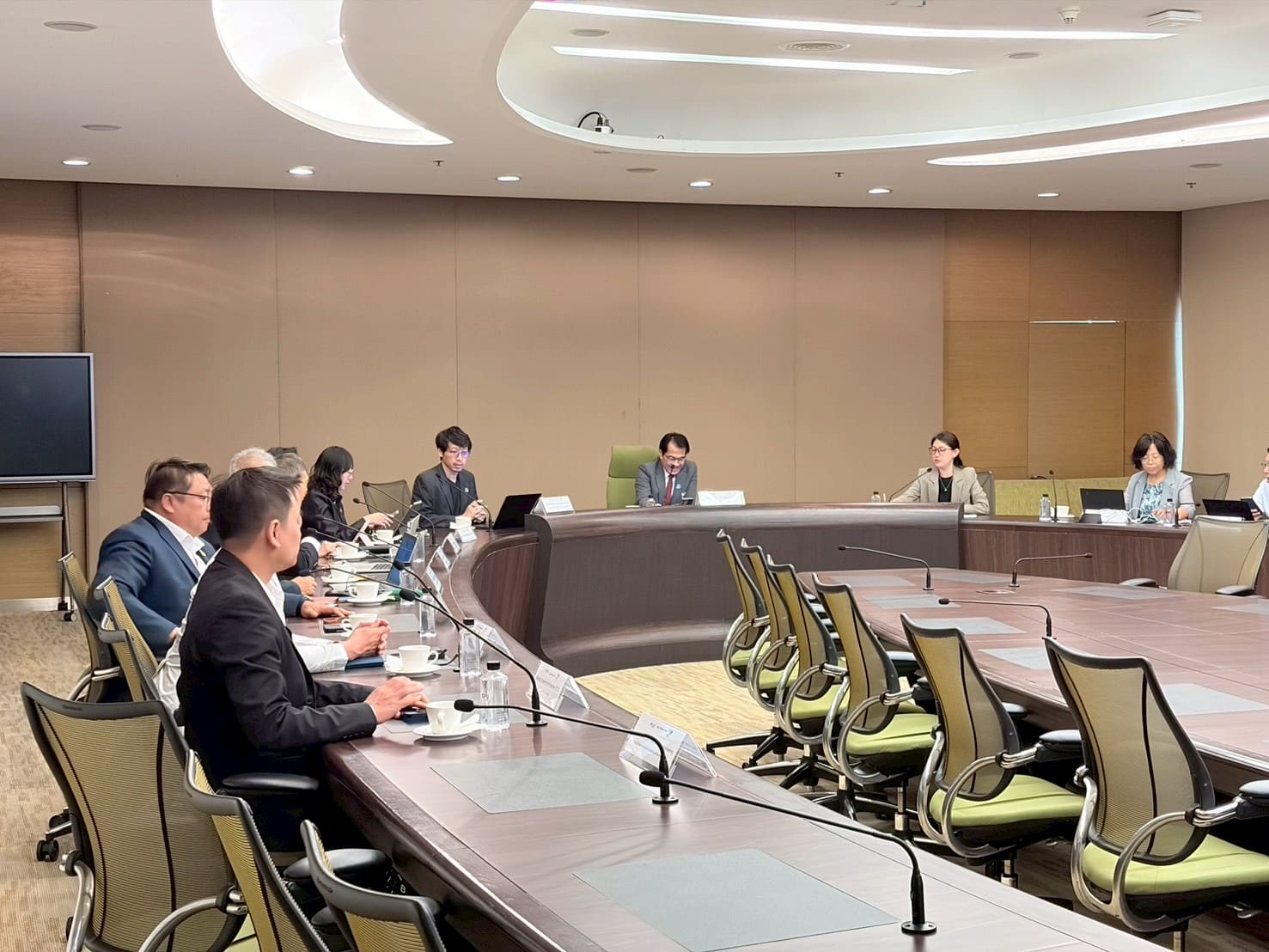
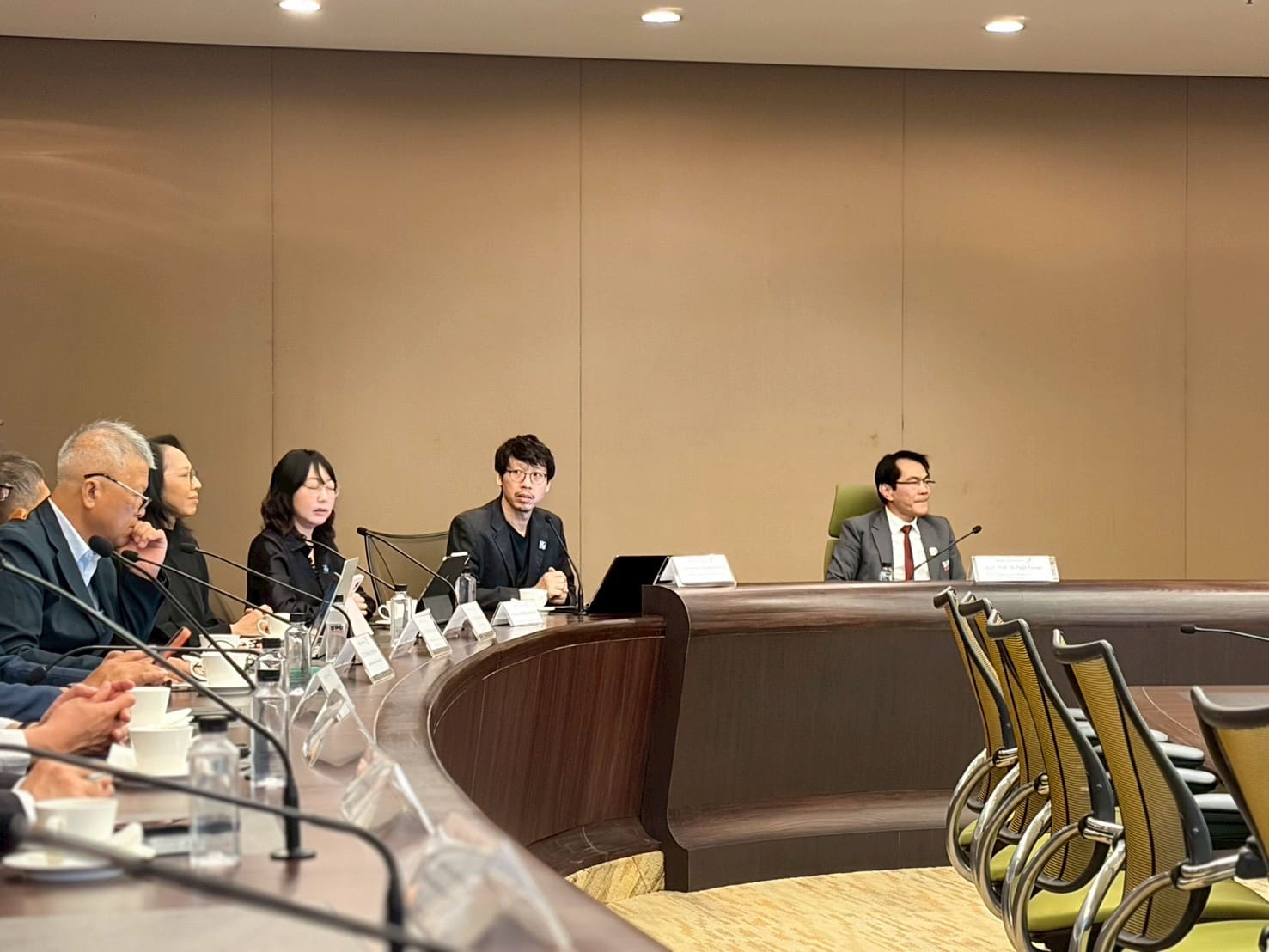
- Thai–Chinese standards workshop (July 2026): The Faculty of Engineering and the Thai BIM Association hosted the Thailand–China Construction Standards Comparison and Application Research Workshop. Four leading Chinese building-research and design organisations compared standards, BIM practice and infrastructure design with Thai experts. The partners set out a joint research agenda on an international building-standards database and resilient buildings.
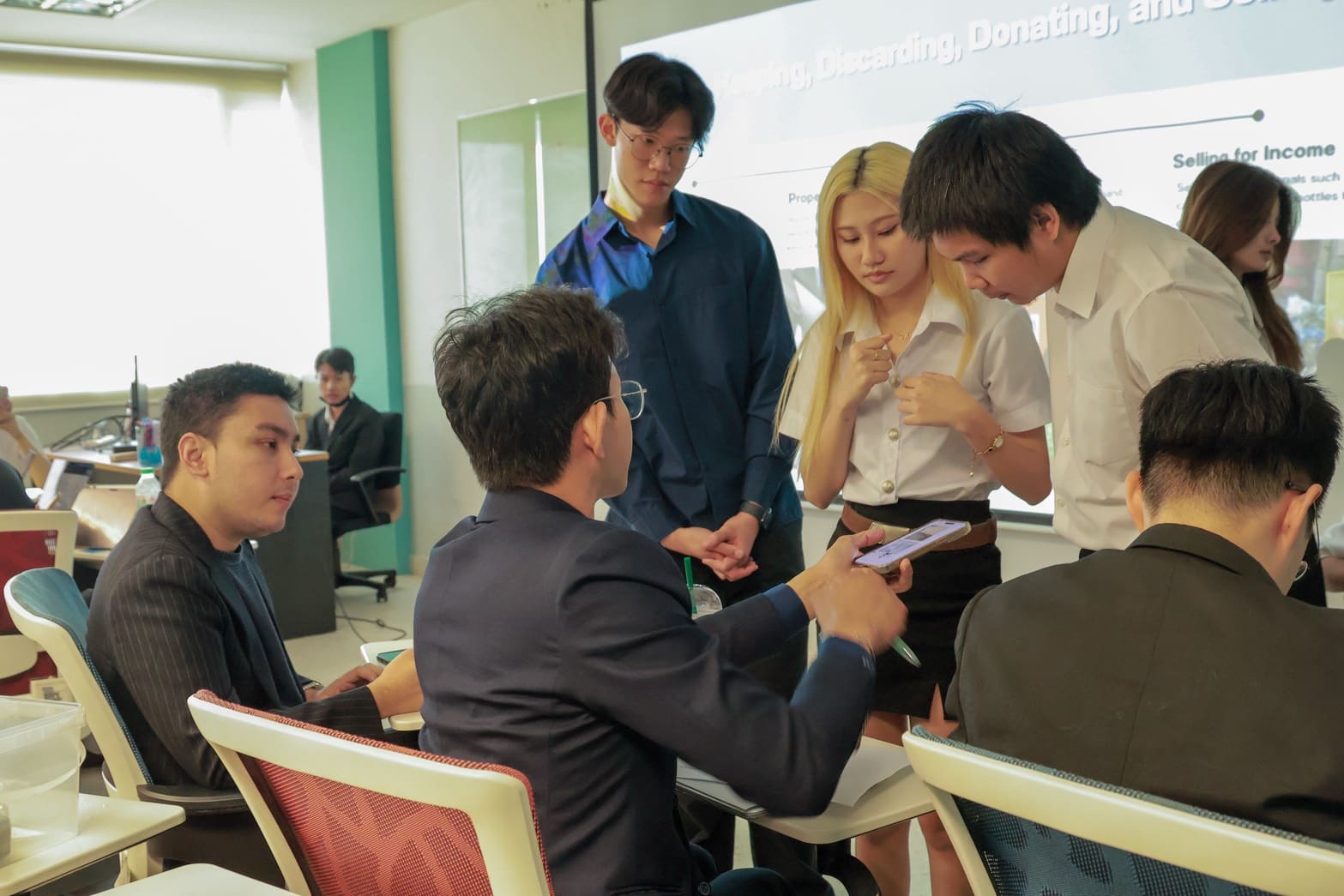
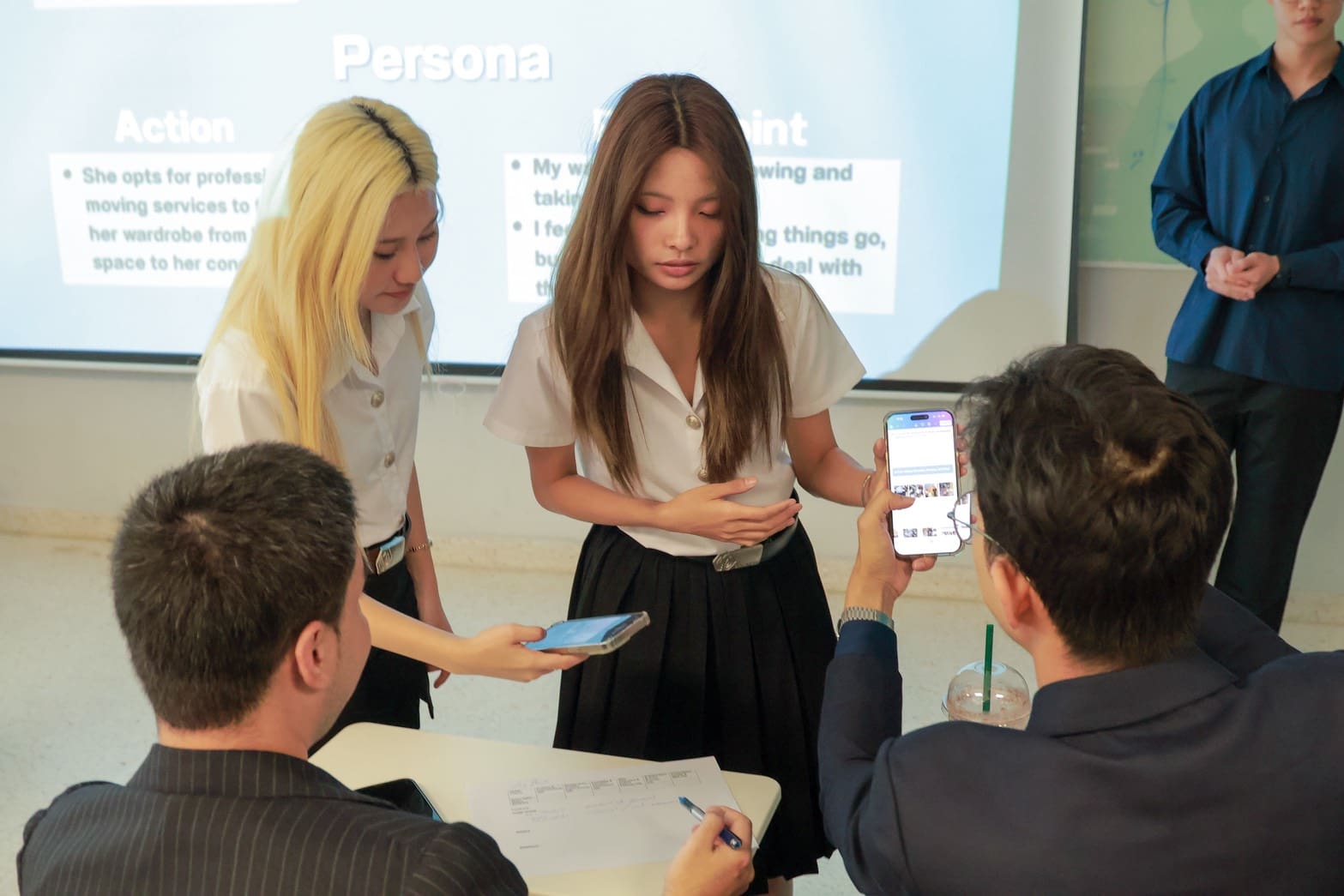
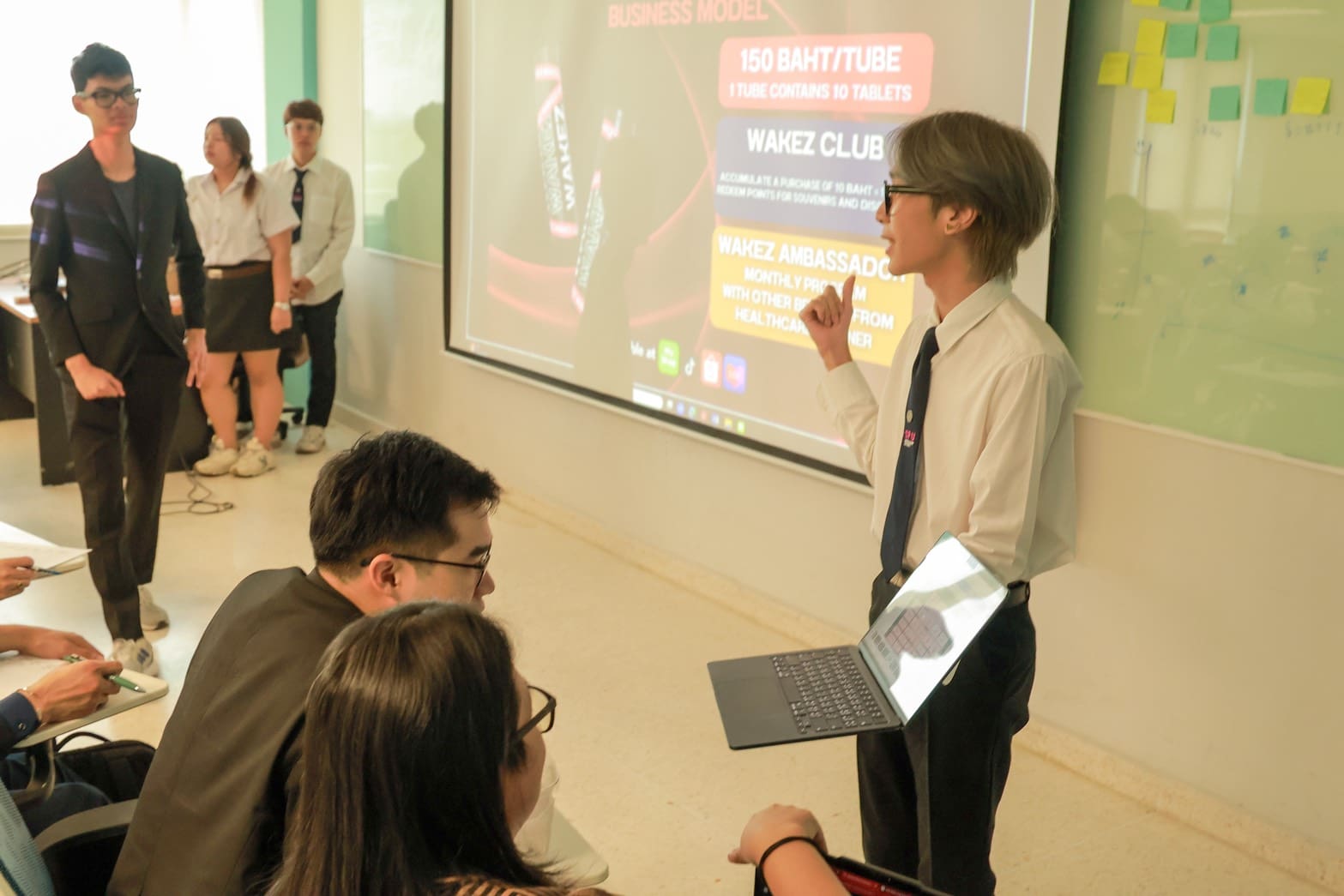
- Co-Create Sustainability Lab 2026 (March 2026): The School of Entrepreneurship and Ngee Ann Polytechnic, Singapore, ran this lab. Lessons from the earlier Hack format were used to redesign it into a course-integrated model, where mixed Thai–Singaporean teams tested and refined student sustainability projects.
- Wider partnerships: Joint research and curriculum work with two Taiwanese universities, engineering dialogue with the University of Oxford’s Department of Engineering Science, and the IEAC international quality review keep this learning growing.
The common thread is a cycle of comparing, adapting and sharing. Engineers now have a shared research path towards more resilient construction standards. Students have a tested model for cross-border, SDG-focused co-creation. Regional universities have access to a proven model for AI-supported sustainable education.
Each partnership produces something others can use, from a research agenda to a redesigned teaching model.
This reflects the spirit of global partnership and capacity building at the heart of the Goals. SPU invites universities, industry bodies and networks to join this exchange and help turn good ideas into shared practice.
By making international cooperation a process of mutual learning, comparing approaches and co-developing better ones, Sripatum University is helping build the cross-border knowledge base that sustainable development needs.
#SPU #SPUSDGs #SripatumUniversity #PartnershipsForTheGoals #InternationalCooperation #BestPractice
เรียนรู้ข้ามพรมแดน: ม.ศรีปทุม เปรียบเทียบ ร่วมสร้าง และแบ่งปันแนวปฏิบัติที่ดีเพื่อ SDGs
 จากเวทีอาเซียน–จีน สู่การเปรียบเทียบมาตรฐานก่อสร้างไทย–จีน และห้องปฏิบัติการความยั่งยืนไทย–สิงคโปร์ SPU เปลี่ยนความร่วมมือระหว่างประเทศเป็นองค์ความรู้ที่พันธมิตรนำไปใช้ได้จริง มหาวิทยาลัยศรีปทุมใช้ความร่วมมือนานาชาติเป็นเครื่องมือในการเรียนรู้ วางแนวทางของแต่ละประเทศเทียบกัน แล้วต่อยอดสิ่งที่ได้ผลเป็นแนวปฏิบัติที่ดีร่วมกัน
เป้าหมายการพัฒนาที่ยั่งยืนไม่อาจสำเร็จได้ด้วยประเทศใดประเทศหนึ่ง SPU จึงดำเนินความร่วมมือระหว่างประเทศในเชิง “แลกเปลี่ยนเพื่อเรียนรู้” ผ่านสำนักงานวิเทศสัมพันธ์ ศูนย์ส่งเสริมการวิจัยฯ และคณะต่าง ๆ สอดคล้องกับยุทธศาสตร์ Alpha Ready Roadmap ด้านความเป็นนานาชาติและคุณภาพงานวิจัย
เวที ACAPHEI: เมื่อ 25–26 พฤศจิกายน 2568 SPU ในฐานะสำนักเลขาธิการฝั่งอาเซียนของเครือข่าย ACAPHEI บรรยายปาฐกถาหลัก “Sustainable Education Community Empowered by AI” ณ Geely University มณฑลเสฉวน ประเทศจีน เพื่อถ่ายทอดโมเดลการเรียนการสอนบูรณาการ AI ให้สถาบันในภูมิภาคนำไปปรับใช้
เวทีเปรียบเทียบมาตรฐานไทย–จีน: วันที่ 14 กรกฎาคม 2569 คณะวิศวกรรมศาสตร์และสมาคม TBIM จัดเวที Thailand–China Construction Standards Comparison and Application Research Workshop ร่วมกับองค์กรวิจัยและออกแบบอาคารชั้นนำของจีน 4 แห่ง เพื่อเปรียบเทียบมาตรฐานการก่อสร้าง การใช้ BIM และการออกแบบโครงสร้างพื้นฐาน ผลที่ได้คือวาระวิจัยร่วมด้านฐานข้อมูลมาตรฐานอาคารระหว่างประเทศและอาคารที่ยืดหยุ่นต่อการเปลี่ยนแปลงของสิ่งแวดล้อม
Co-Create Sustainability Lab 2026: วันที่ 11–13 มีนาคม 2569 คณะการสร้างเจ้าของธุรกิจร่วมกับ Ngee Ann Polytechnic สิงคโปร์ จัดกิจกรรมนี้ โดยนำบทเรียนจากรูปแบบ Hack ครั้งก่อนมาออกแบบใหม่ให้บูรณาการกับรายวิชา ทีมนักศึกษาไทย–สิงคโปร์ร่วมกันทดสอบสมมติฐานและปรับปรุงโครงการด้านความยั่งยืน
ความร่วมมืออื่น: SPU ยังต่อยอดผ่านการวิจัยและพัฒนาหลักสูตรร่วมกับมหาวิทยาลัยชั้นนำในไต้หวัน การหารือกับ Department of Engineering Science มหาวิทยาลัยอ็อกฟอร์ด และการตรวจประเมินคุณภาพระดับสากลโดย IEAC
ผลลัพธ์ที่เกิดขึ้นคือวงจร “เปรียบเทียบ–ปรับใช้–แบ่งปัน”
- วิศวกรมีเส้นทางวิจัยร่วมสู่มาตรฐานการก่อสร้างที่ยืดหยุ่นกว่าเดิม
- นักศึกษาได้โมเดลการร่วมสร้างข้ามพรมแดนที่ผ่านการทดสอบแล้ว
- สถาบันในภูมิภาคเข้าถึงโมเดลการศึกษายั่งยืนที่ใช้ AI ได้จริง
SPU ขอเชิญมหาวิทยาลัย องค์กรวิชาชีพ และเครือข่ายต่าง ๆ ร่วมแลกเปลี่ยน เพื่อเปลี่ยนแนวคิดที่ดีให้เป็นแนวปฏิบัติร่วมกัน
ด้วยการทำให้ความร่วมมือระหว่างประเทศเป็นกระบวนการเรียนรู้ร่วมกัน มหาวิทยาลัยศรีปทุมกำลังร่วมสร้างฐานองค์ความรู้ข้ามพรมแดนที่การพัฒนาอย่างยั่งยืนต้องการ
#มหาวิทยาลัยศรีปทุม #SPUSDGs #ความร่วมมือระหว่างประเทศ #แนวปฏิบัติที่ดี #PartnershipsForTheGoals