
Introduction: Turning Cultural Knowledge into Professional Practice
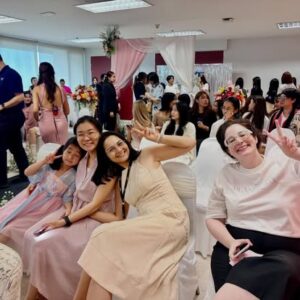
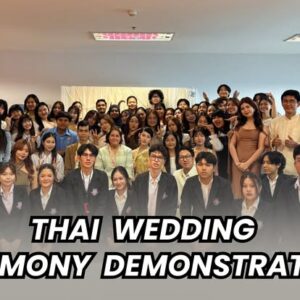
SPUIC students transformed the classroom into a global event-management environment through a series of wedding ceremony demonstrations representing Chinese, Indian, Christian, and Thai traditions.
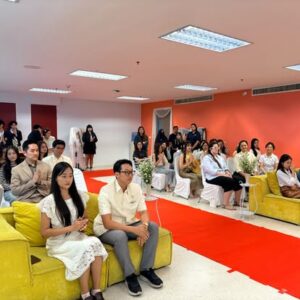
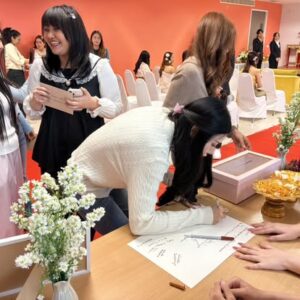
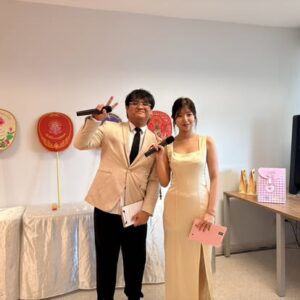
Conducted as part of BBM345 Venue Management and BBM347 Event Management Project, the activity gave students an opportunity to plan, design, coordinate, and present complete event concepts from beginning to end. Rather than learning event management only through textbooks, students experienced the responsibilities involved in producing culturally meaningful events while maintaining professional standards.
Each wedding theme required a different creative direction, atmosphere, ceremony sequence, and communication approach. Students had to research the cultural meaning behind each tradition, develop suitable visual concepts, assign responsibilities, prepare the venue, coordinate participants, and manage the overall flow of the event.
Through this project, students strengthened their understanding of cultural diversity while developing practical skills in event planning, teamwork, leadership, communication, and problem-solving.
Chinese Wedding Heritage: Connecting Ancient Traditions with Modern Luxury
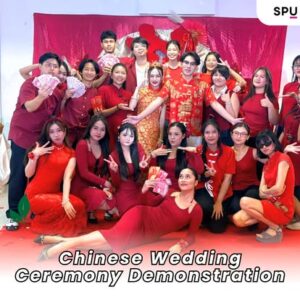
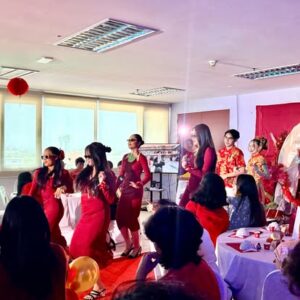
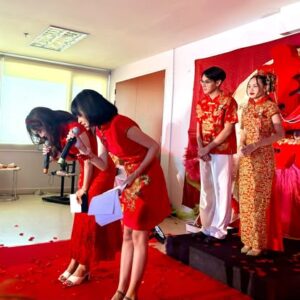
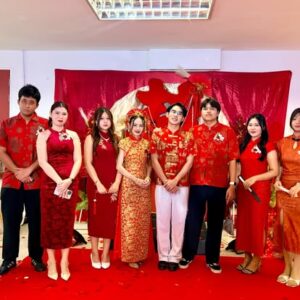
The Chinese wedding experience served as the grand finale of the series, bringing together traditional symbolism and contemporary event design.
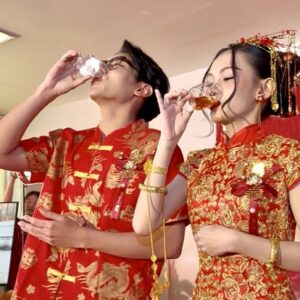
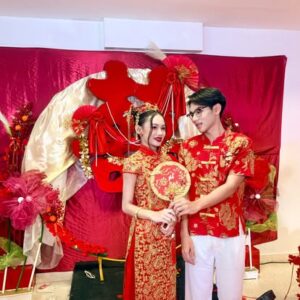
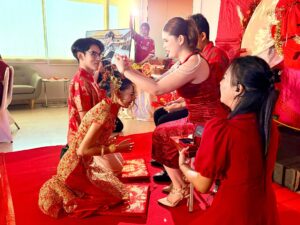
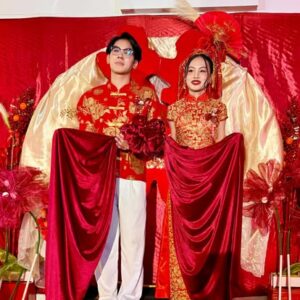
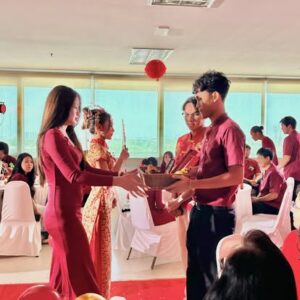
Students explored important cultural elements associated with Chinese wedding celebrations, including the Double Happiness symbol (囍), the traditional tea ceremony, family participation, and the symbolic use of red and gold. These elements were carefully interpreted and presented through a modern event concept that respected their original cultural meaning.
The design combined the richness of “Imperial Red and Gold” with a clean and elegant visual style. Students considered how lighting, decoration, ceremony sequencing, and guest experience could work together to create a luxurious yet culturally respectful atmosphere.
The tea ceremony also helped students understand the importance of family relationships, gratitude, respect for elders, and the connection between different generations. Organising this section required careful planning because every action, position, and ceremonial element needed to be presented in the correct order.
Through this experience, students demonstrated that traditional cultural practices can be thoughtfully adapted for contemporary audiences without losing their meaning or identity.

Indian Wedding Celebration: Managing Colour, Energy, and Cultural Detail
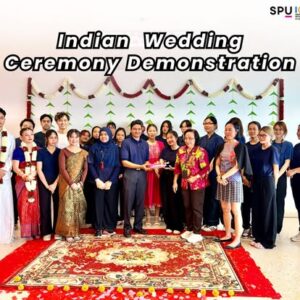
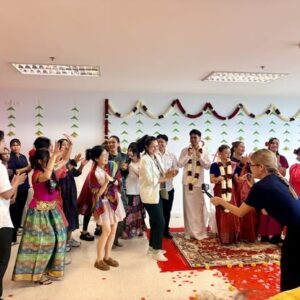
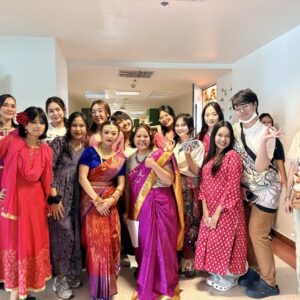
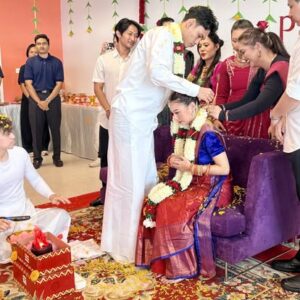
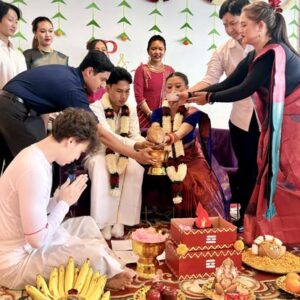
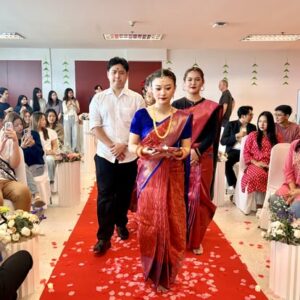
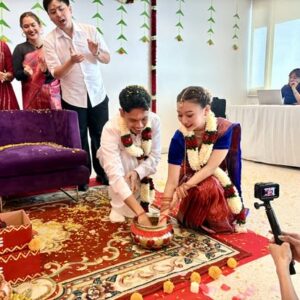
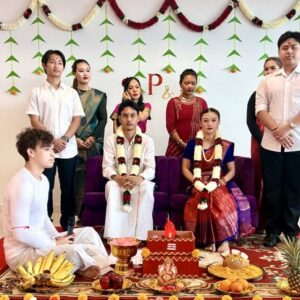
The Indian wedding demonstration introduced students to a celebration recognised for its vibrant colours, expressive atmosphere, detailed traditions, and strong sense of community.
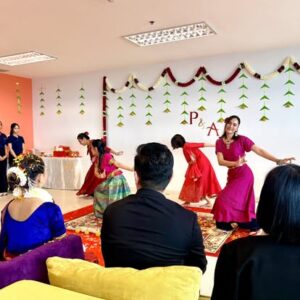
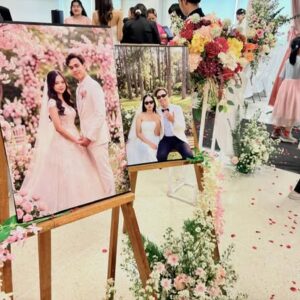
Students developed an event concept that reflected the energy and visual richness commonly associated with Indian wedding celebrations. They worked with decorative elements, suitable colour combinations, ceremonial presentation, music, costumes, and venue arrangements to create a lively and memorable experience.
This section challenged students to manage multiple creative components at the same time. They needed to maintain a consistent theme while coordinating participants, decorations, timing, and movement throughout the venue.
The project also encouraged students to look beyond the visual beauty of the celebration and understand the cultural importance of family, unity, tradition, and hospitality. This helped them recognise that successful international event management requires more than attractive decoration. It also requires cultural research, sensitivity, and respect.
By working together to manage a detailed and energetic celebration, students strengthened their teamwork, time management, coordination, and decision-making skills.
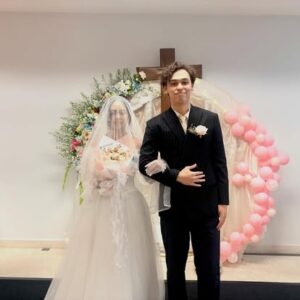
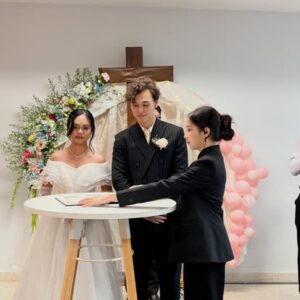
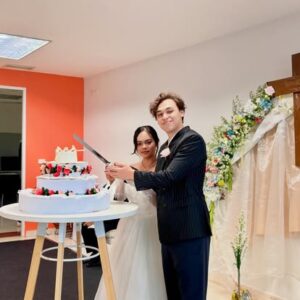
Modern Christian Wedding: Elegance, Meaning, and Precise Coordination
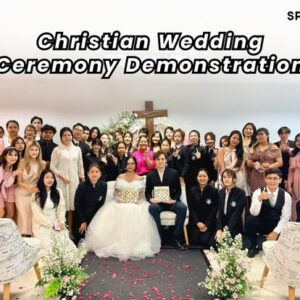
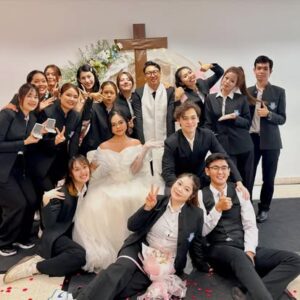
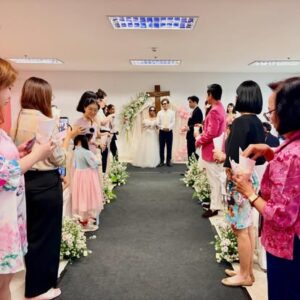
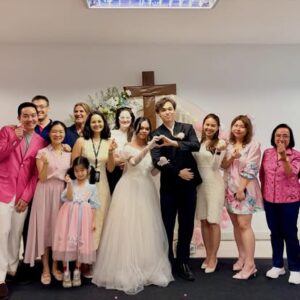
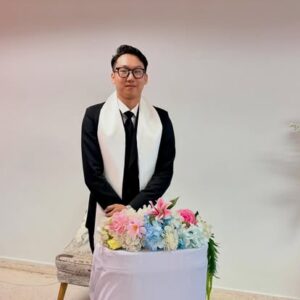
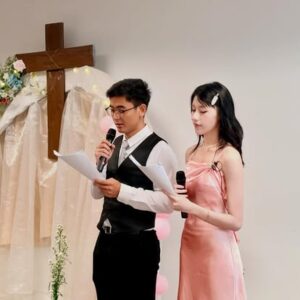
The Christian wedding experience focused on creating a peaceful, elegant, and emotionally meaningful ceremony.
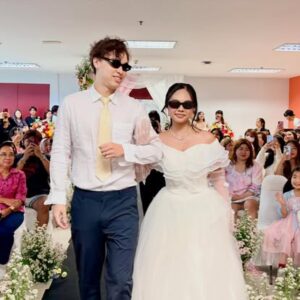
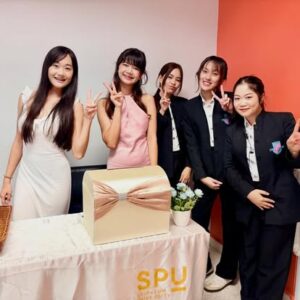
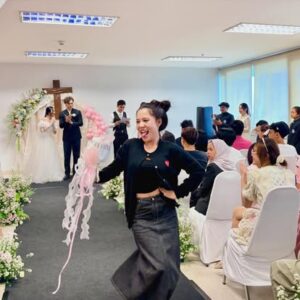
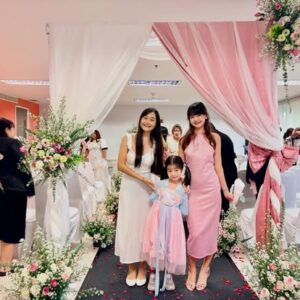
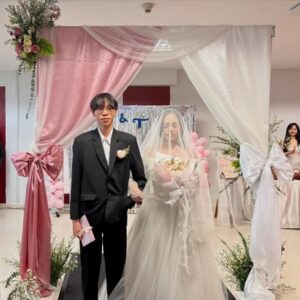
Students planned the event around a refined and modern concept, carefully considering the ceremony layout, entrance sequence, seating arrangements, decorations, music, participant roles, and overall atmosphere.
Although the concept appeared simple and graceful, it required a high level of precision. Every transition needed to happen smoothly, from the arrival of participants to the main ceremony and closing moments. Students learned that even a minimalist event involves detailed preparation behind the scenes.
The activity also highlighted the importance of communication between event organisers, participants, venue staff, and supporting teams. Students had to ensure that everyone understood their responsibilities and was prepared to act at the correct moment.
Through this demonstration, students developed a stronger appreciation for emotional storytelling in event design. They learned how lighting, music, decoration, timing, and space can be combined to create an experience that feels personal, memorable, and professionally managed.



Thai Wedding Ceremony: Preserving Local Heritage Through Event Management
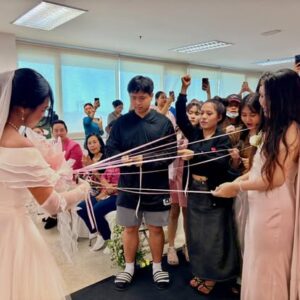
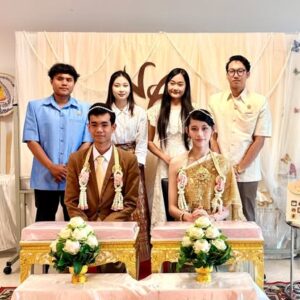
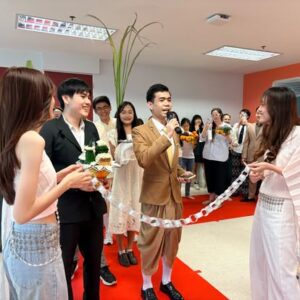
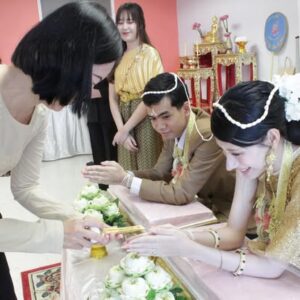
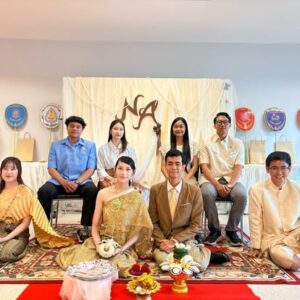
The Thai wedding ceremony gave students an opportunity to explore and present elements of Thailand’s own cultural heritage.
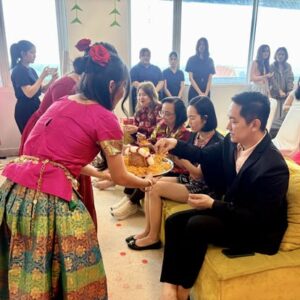
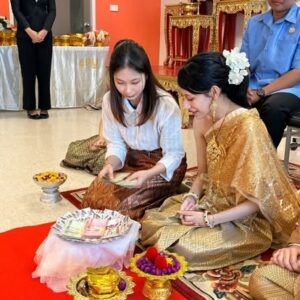
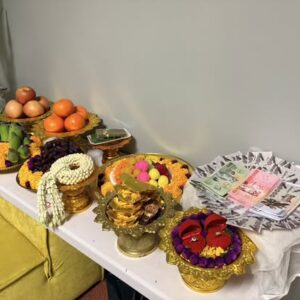
Students considered how respect, family participation, hospitality, traditional presentation, and ceremony sequencing contribute to the meaning of a Thai wedding celebration. Their task was to create an event that reflected Thai cultural identity while remaining organised, accessible, and engaging for a modern audience.
This section encouraged students to examine traditions that may be familiar to them from a professional event-management perspective. They had to think carefully about how ceremonial details should be arranged, explained, and presented to guests from different backgrounds.
Students also learned that cultural events must be managed with sensitivity. Decorations, participant roles, clothing, language, and ceremonial actions all contribute to the authenticity of the experience.
By planning the Thai wedding demonstration, students developed their ability to preserve cultural heritage while applying modern venue-management and production techniques.
From Concept to Professional Practice
Across the four wedding projects, SPUIC students transformed creative ideas into complete event productions while developing practical skills in planning, venue preparation, budgeting, teamwork, communication, cultural research, hospitality, and problem-solving. By presenting Chinese, Indian, Christian, and Thai wedding traditions, students also strengthened their cultural intelligence and learned to manage diverse events with respect and sensitivity. This hands-on experience allowed them to apply classroom knowledge in realistic situations, respond professionally to unexpected challenges, and build the confidence and career-ready skills needed for the global event management industry.
This project supports
SDG 4: Quality Education by providing practical, experiential learning in event and venue management.
SDG 8: Decent Work and Economic Growth by developing students’ professional and employability skills.
SDG 11: Sustainable Cities and Communities by promoting awareness, appreciation, and preservation of Chinese, Indian, Christian, and Thai cultural traditions.