
Reporting period: 1 August 2025 – 31 July 2026
One page, one year, every SDG 16 measure. This is SPU’s public account of how it governs itself openly, protects integrity, and shares its expertise with the institutions that serve Thai society.
 Sripatum University (SPU) believes a university earns public trust by showing how it is run. SPU reports its SDG 16 progress openly every year. This report covers the 2025/26 academic year and follows the areas Times Higher Education measures under SDG 16:
- open and accountable university governance
- working with government
- educating graduates in law
Under the Alpha Ready Roadmap, the University Council, the Student Affairs Division, the Faculty of Law and the Sripatum Law Center, the Centre for Research Promotion and Quality Assurance, and faculties across the university share this work.
Governing openly and accountably
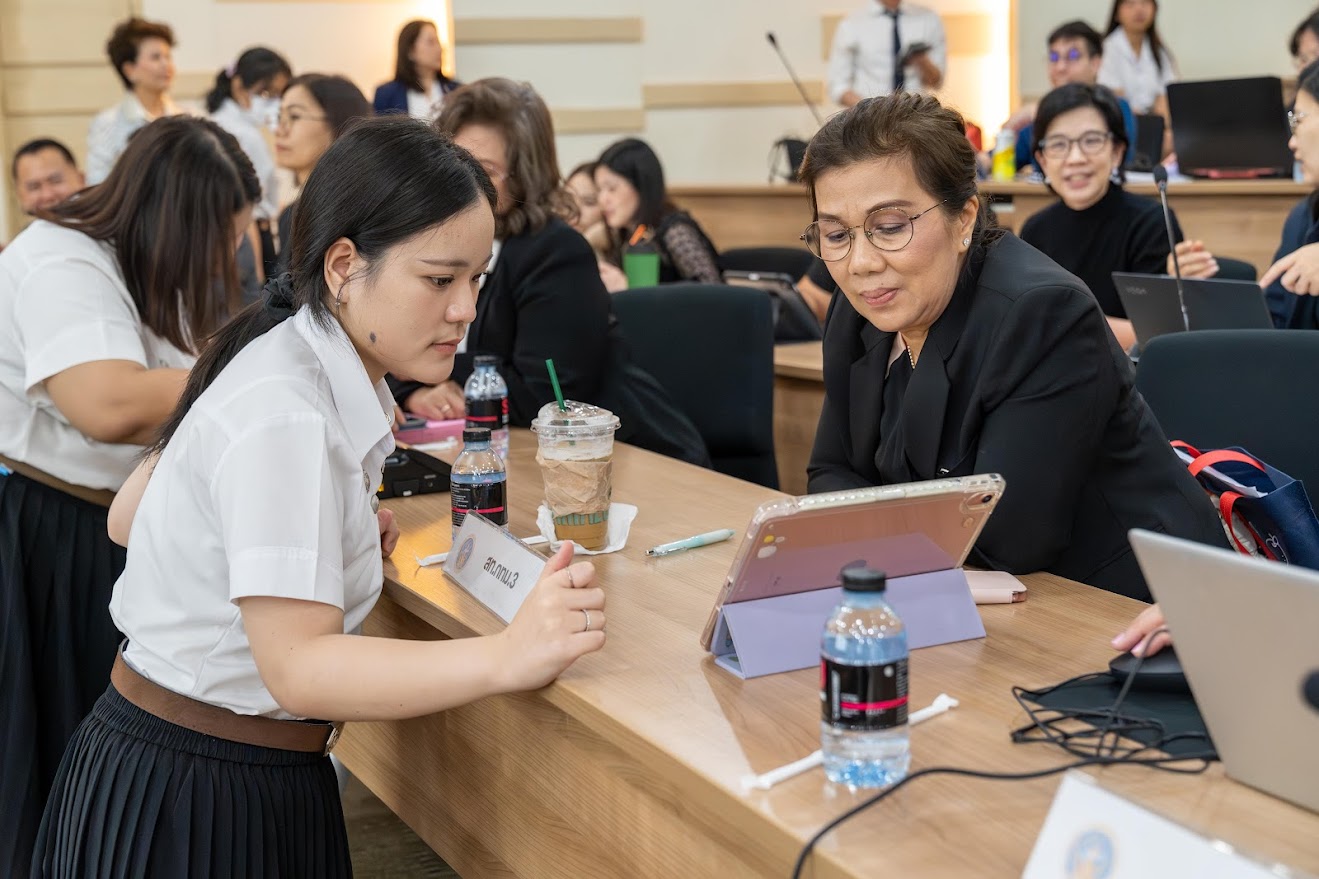
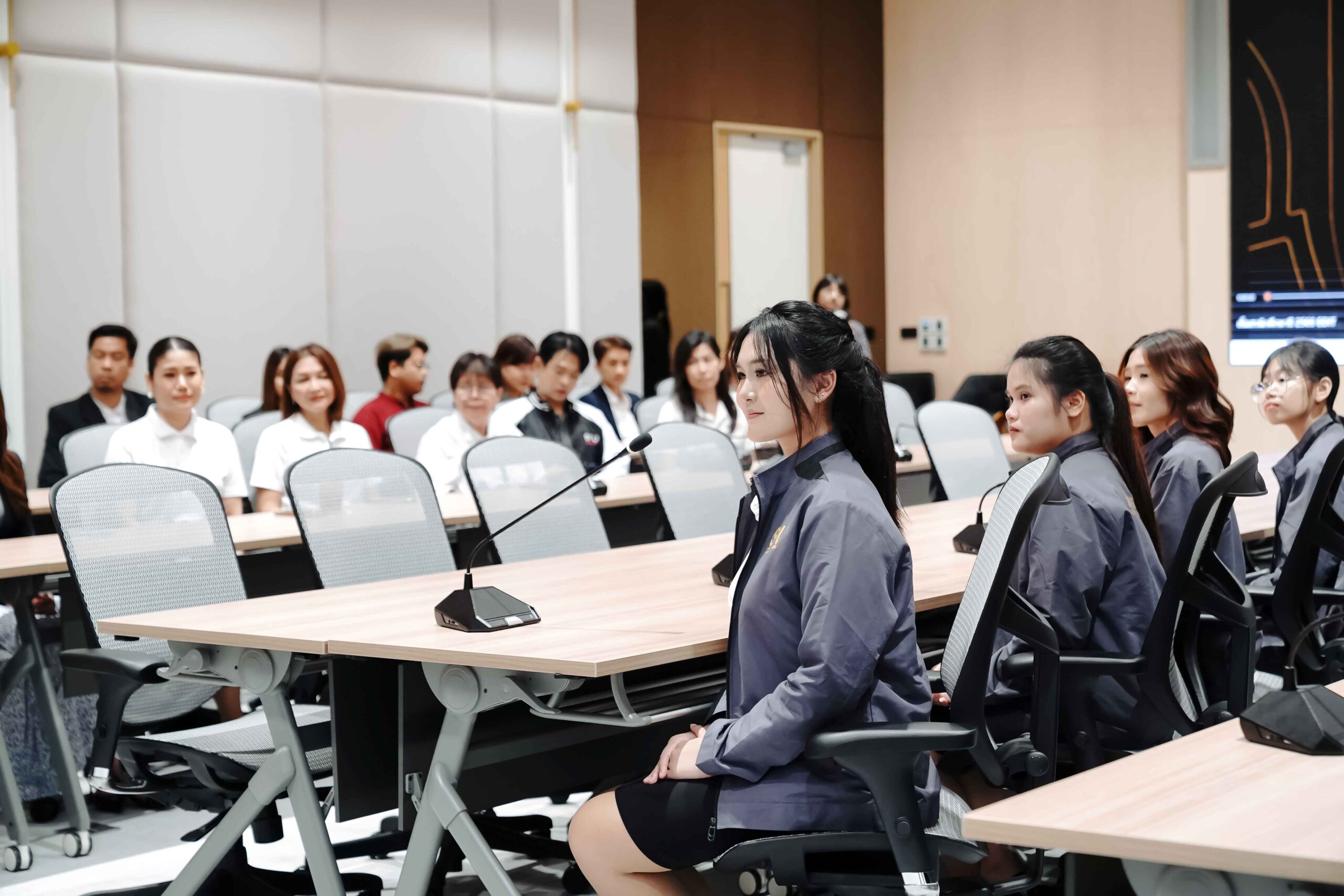
- Shared governance: The University Council is SPU’s highest governing body, with full-time academic staff among its members. Undergraduates elect the Student Union executive board every year, and every faculty elects its own student committee. The SPU Regulation on the Student Union names the union as the students’ channel to the university and the Council. On 29 May 2026, the newly elected Student Union board met SPU leadership to agree how student activities would advance the SDGs.
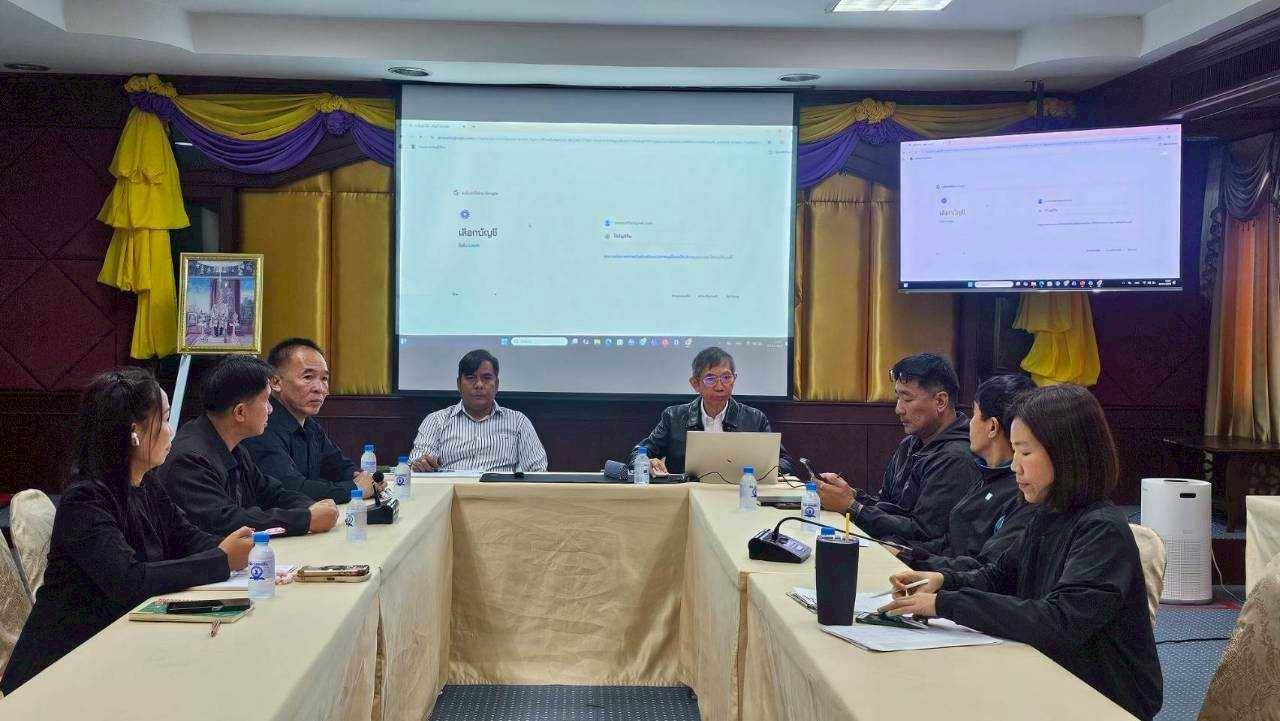
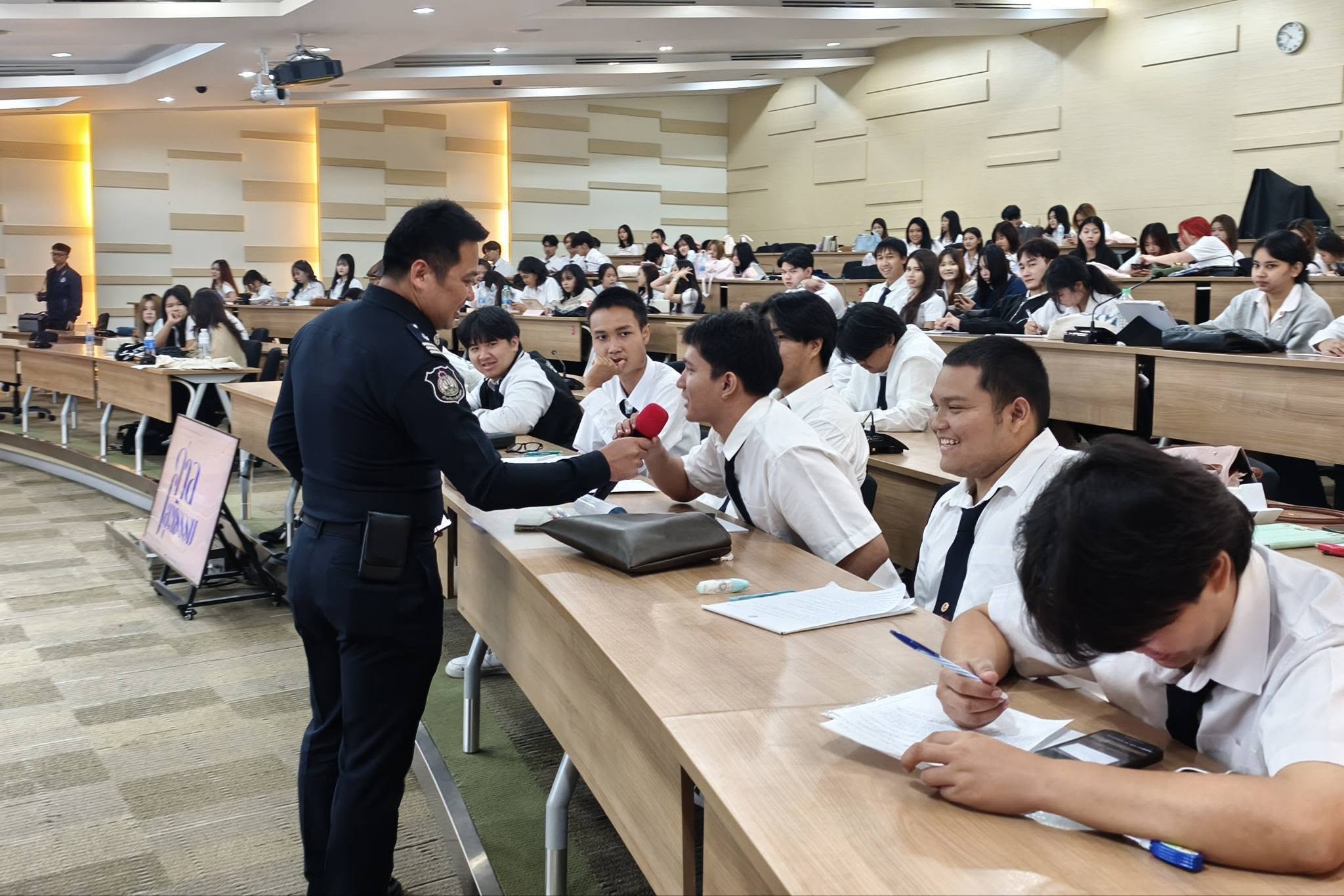
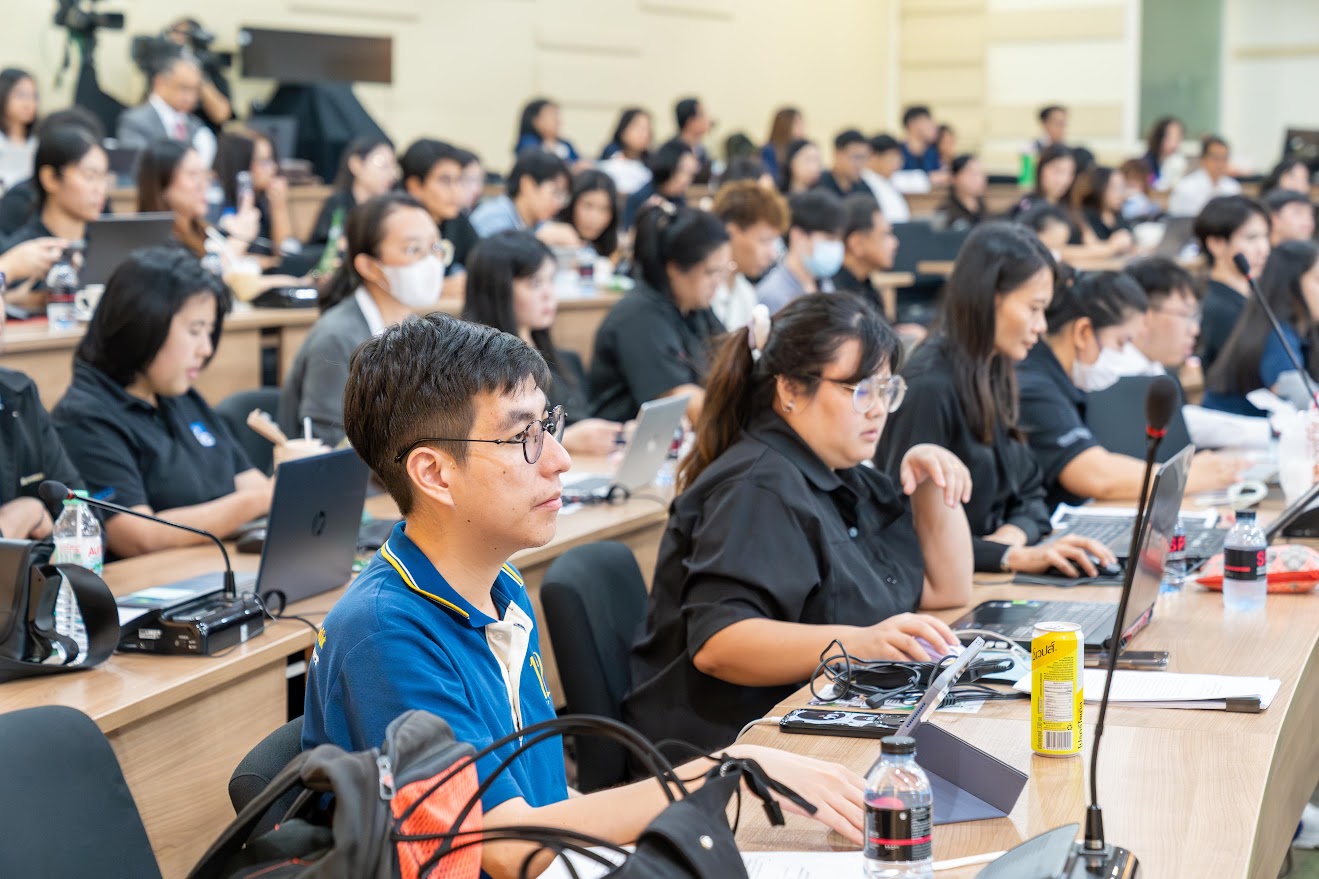
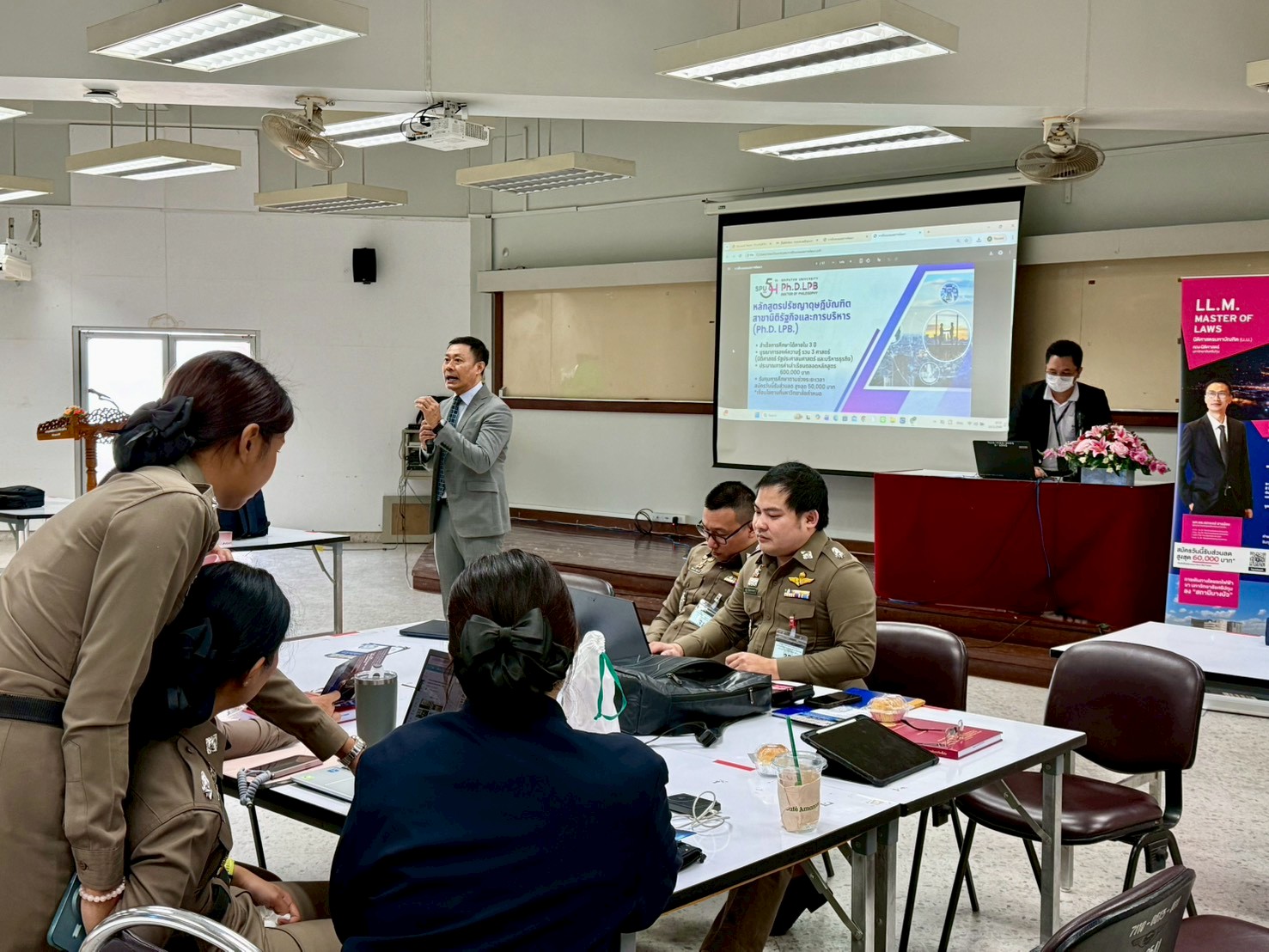
- Listening to local stakeholders: SPU Announcement 063/2566 commits the university to identify and engage community leaders, local government, businesses and civil society. Curricula are reviewed with employers and alumni. On 8 July 2026, SPU hosted the Bang Khen Police Station Oversight Committee, where community, private-sector and police representatives reviewed local safety.
- Integrity and freedom: The 2026 University Regulation on the Code of Ethics forbids corruption and improper benefit at every level, from Council members to students. An Ethics Protection Committee handles complaints, and university rules protect people who report wrongdoing. The Academic Freedom Policy protects every scholar, senior and junior, in research and teaching.
- Financial accountability: An independent licensed auditor reviews SPU’s accounts each year. The University Council approves the audited statements, which are then submitted to the Ministry of Higher Education, Science, Research and Innovation (MHESI).
Working with government
- Expert advice: An SPU academic serves on an expert committee of the Digital Government Development Agency (DGA). SPU civil engineers presented seismic analysis and retrofit guidance for a childcare centre to the Mae Lao Subdistrict Municipal Council in Chiang Rai.
- Building capacity of lawmakers and officials: Digital Arts lecturers shared guidance with a Senate sub-committee on digital art and copyright. The Faculty of Information Technology ran the national DGA101 course for civil servants. SPU led “AI for Tax Officer” training for Revenue Department Region 1, and the Sripatum Law Center ran forums on public procurement law and anti-corruption.
- Policy research: SPU researchers work with the Electricity Generating Authority of Thailand (EGAT) on transmission-line maintenance, and with the National Housing Authority on residents’ needs. SPU Chonburi co-develops a community eco-tourism study with Khlong Tamru Subdistrict Municipality.
- A neutral platform: On 30 January 2026, the Faculty of Law co-hosted the “Election 69” forum with the Equitable Education Fund, Thai PBS and civil-society networks. There, representatives of four political parties debated education policy with students, teachers and parents on one stage.
Justice and legal literacy
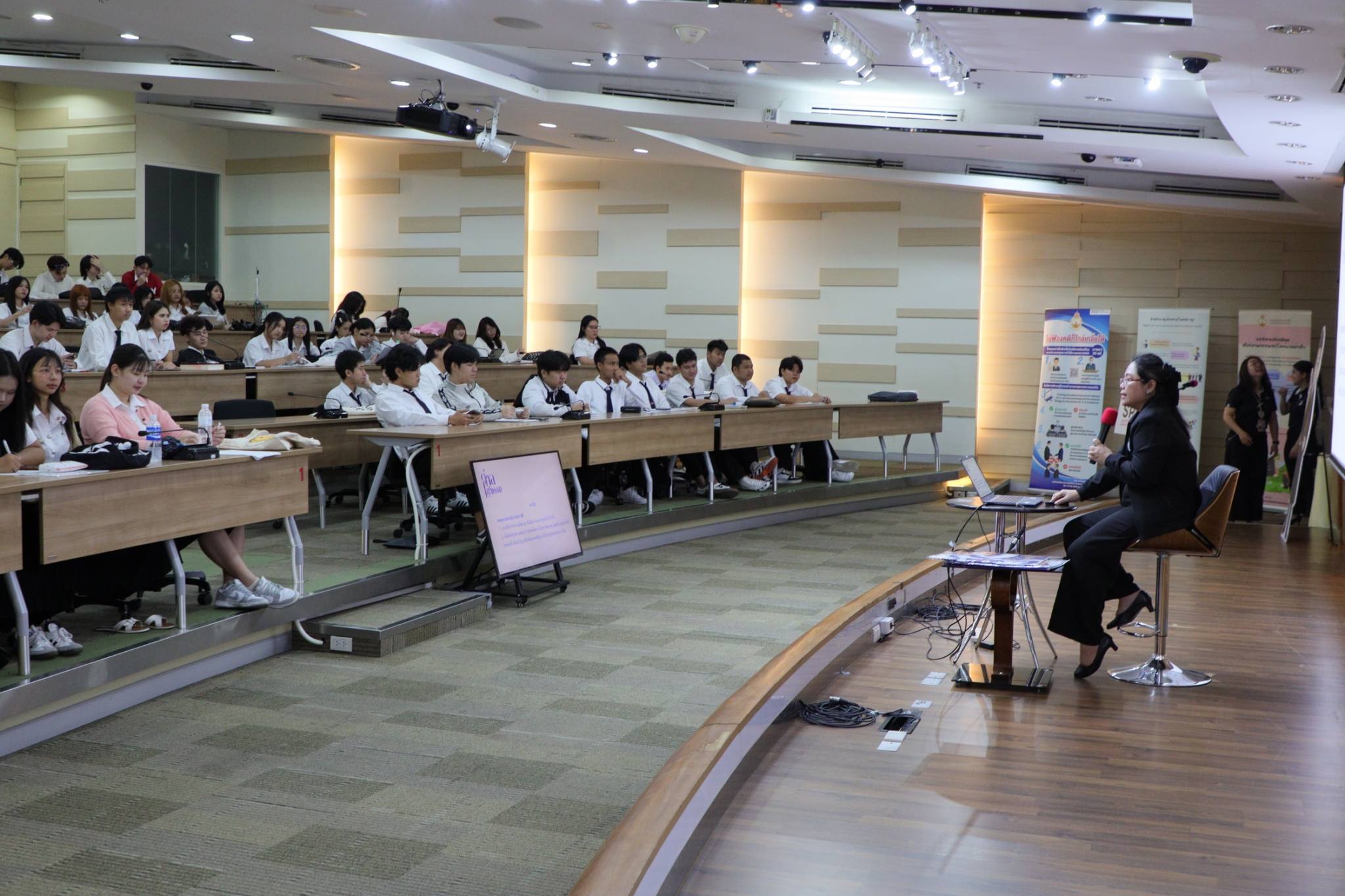
The Faculty of Law works with the courts and justice agencies so that students and the public understand their rights. Examples include the Phra Nakhon Nuea District Court’s “Court of Justice for the People” programme and a student-run help centre for victims of online scams.
Reporting in public
SDG 16 stories appear on the SPU SDGs website under Goal 16. The university also releases its SPU SDGs Report as a free public document.
Next year, SPU aims to:
- widen elected staff and student participation in university decision-making
- extend integrity and anti-corruption learning to every faculty
- deepen policy partnerships with local and national government
Strong institutions are built in the open, one decision at a time.
At Sripatum University, reporting on SDG 16 is a promise kept in public. Each year we show how we govern ourselves with integrity, listen to the people around us, and put our knowledge to work for fair and capable public institutions.
#SPU #SPUSDGs #SripatumUniversity #Sustainability #PeaceJustice #StrongInstitutions #GoodGovernance #RuleOfLaw #SDGReport #Transparency
รายงานความก้าวหน้า SDG 16 ปี 2568/69: มหาวิทยาลัยศรีปทุมกับธรรมาภิบาลที่โปร่งใส การต่อต้านทุจริต และความร่วมมือกับภาครัฐเพื่อสันติภาพ ความยุติธรรม และสถาบันที่เข้มแข็ง
หนึ่งหน้า หนึ่งปี ครบทุกตัวชี้วัด SDG 16 รายงานต่อสาธารณะว่า SPU บริหารอย่างเปิดเผยอย่างไร ปกป้องความซื่อตรงอย่างไร และส่งต่อความเชี่ยวชาญสู่หน่วยงานรัฐอย่างไร
 มหาวิทยาลัยศรีปทุมเผยแพร่ความก้าวหน้าตาม SDG 16 ต่อสาธารณะทุกปี รายงานนี้ครอบคลุมปีการศึกษา 2568/69 (1 ส.ค. 2568 – 31 ก.ค. 2569) และจัดหัวข้อตามด้านที่ Times Higher Education ใช้วัด 3 ด้าน ได้แก่ ธรรมาภิบาลของมหาวิทยาลัย การทำงานร่วมกับภาครัฐ และการผลิตบัณฑิตด้านกฎหมาย
ด้านธรรมาภิบาลที่โปร่งใสและตรวจสอบได้
- สภามหาวิทยาลัยและสโมสรนักศึกษา: สภามหาวิทยาลัยเป็นองค์กรกำกับดูแลสูงสุด โดยมีคณาจารย์ประจำร่วมเป็นกรรมการ นักศึกษาเลือกตั้งคณะกรรมการบริหารสโมสรนักศึกษาทุกปี ตามระเบียบมหาวิทยาลัยว่าด้วยสโมสรนักศึกษา เมื่อ 29 พ.ค. 2569 คณะกรรมการชุดใหม่ได้หารือกับผู้บริหารเพื่อวางแนวทางกิจกรรมที่ขับเคลื่อน SDGs
- การมีส่วนร่วมของผู้มีส่วนได้ส่วนเสีย: ประกาศ ปก.มศป.063/2566 กำหนดกระบวนการระบุและรับฟังผู้มีส่วนได้ส่วนเสียในท้องถิ่น เมื่อ 8 ก.ค. 2569 มหาวิทยาลัยเป็นเจ้าภาพการประชุม กต.ตร.สน.บางเขน เพื่อติดตามงานความปลอดภัยของชุมชน
- ความซื่อตรงและเสรีภาพทางวิชาการ: ข้อบังคับว่าด้วยจรรยาบรรณ พ.ศ. 2569 ห้ามการทุจริตและการแสวงหาประโยชน์โดยมิชอบในทุกระดับ มีคณะกรรมการพิทักษ์จรรยาบรรณรับเรื่องร้องเรียน และคุ้มครองผู้แจ้งเบาะแส ส่วนนโยบายเสรีภาพทางวิชาการคุ้มครองคณาจารย์ทุกระดับ
- ความโปร่งใสทางการเงิน: งบการเงินผ่านการตรวจสอบโดยผู้สอบบัญชีอิสระ ได้รับอนุมัติจากสภามหาวิทยาลัย และส่ง สป.อว. ทุกปี
ด้านการทำงานร่วมกับภาครัฐ
- การให้คำปรึกษาเชิงวิชาการ: คณาจารย์ร่วมเป็นกรรมการผู้ทรงคุณวุฒิของ สพร. (DGA) และคณะวิศวกรรมศาสตร์นำเสนอผลวิเคราะห์และแนวทางเสริมกำลังอาคารศูนย์พัฒนาเด็กเล็กต่อสภาเทศบาลตำบลแม่ลาว จ.เชียงราย
- การพัฒนาศักยภาพผู้ออกกฎหมายและบุคลากรภาครัฐ: ร่วมหารือกับคณะอนุกรรมาธิการวุฒิสภาด้านศิลปกรรมดิจิทัล จัดหลักสูตร DGA101 และอบรม AI for Tax Officer ให้สำนักงานสรรพากรภาค 1 และศูนย์กฎหมายศรีปทุมจัดเวทีป้องกันการทุจริตในการจัดซื้อจัดจ้างภาครัฐ
- งานวิจัยเชิงนโยบาย: ร่วมกับ กฟผ. การเคหะแห่งชาติ และเทศบาลตำบลคลองตำหรุ
- เวทีกลาง: เมื่อ 30 ม.ค. 2569 คณะนิติศาสตร์ร่วมกับ กสศ. Thai PBS และภาคประชาสังคม จัดเวที “เลือกตั้ง 69” ให้ผู้แทน 4 พรรคการเมืองถกนโยบายการศึกษาร่วมกับนักเรียน ครู และผู้ปกครอง
ด้านความยุติธรรมและความรู้กฎหมาย
คณะนิติศาสตร์ร่วมกับศาลแขวงพระนครเหนือจัดโครงการ “ศาลยุติธรรมเพื่อประชาชน” และเปิดศูนย์ช่วยเหลือนักศึกษาที่ตกเป็นเหยื่อสแกมเมอร์
ก้าวต่อไป
- ขยายการมีส่วนร่วมของบุคลากรและนักศึกษาในการตัดสินใจ
- ขยายการเรียนรู้ด้านความซื่อตรงสู่ทุกคณะ
- ต่อยอดความร่วมมือเชิงนโยบายกับภาครัฐ
สถาบันที่เข้มแข็ง สร้างขึ้นอย่างเปิดเผย ทีละการตัดสินใจ
สำหรับมหาวิทยาลัยศรีปทุม การรายงาน SDG 16 คือคำมั่นที่รักษาต่อหน้าสาธารณชน ทุกปีเราแสดงให้เห็นว่าเราบริหารด้วยความซื่อตรง รับฟังผู้คนรอบตัว และนำความรู้ไปเสริมสร้างสถาบันสาธารณะที่เป็นธรรมและมีขีดความสามารถ
#SPU #SPUSDGs #มหาวิทยาลัยศรีปทุม #ธรรมาภิบาล #หลักนิติธรรม #ต่อต้านทุจริต #รายงานSDG #ความโปร่งใส