
From the sorting bin to the scale to the SDGs website, SPU’s university-wide waste measurement system turns everyday rubbish into data, and data into a more circular campus.
You cannot reduce what you do not measure. Guided by its Sustainable Resource Procurement and Waste Management Policy, issued in September 2023, Sripatum University (SPU) has made waste measurement a routine part of campus operations. The policy commits the university to track how much waste is sent to landfill and how much is recycled, so that every improvement can be seen and verified.
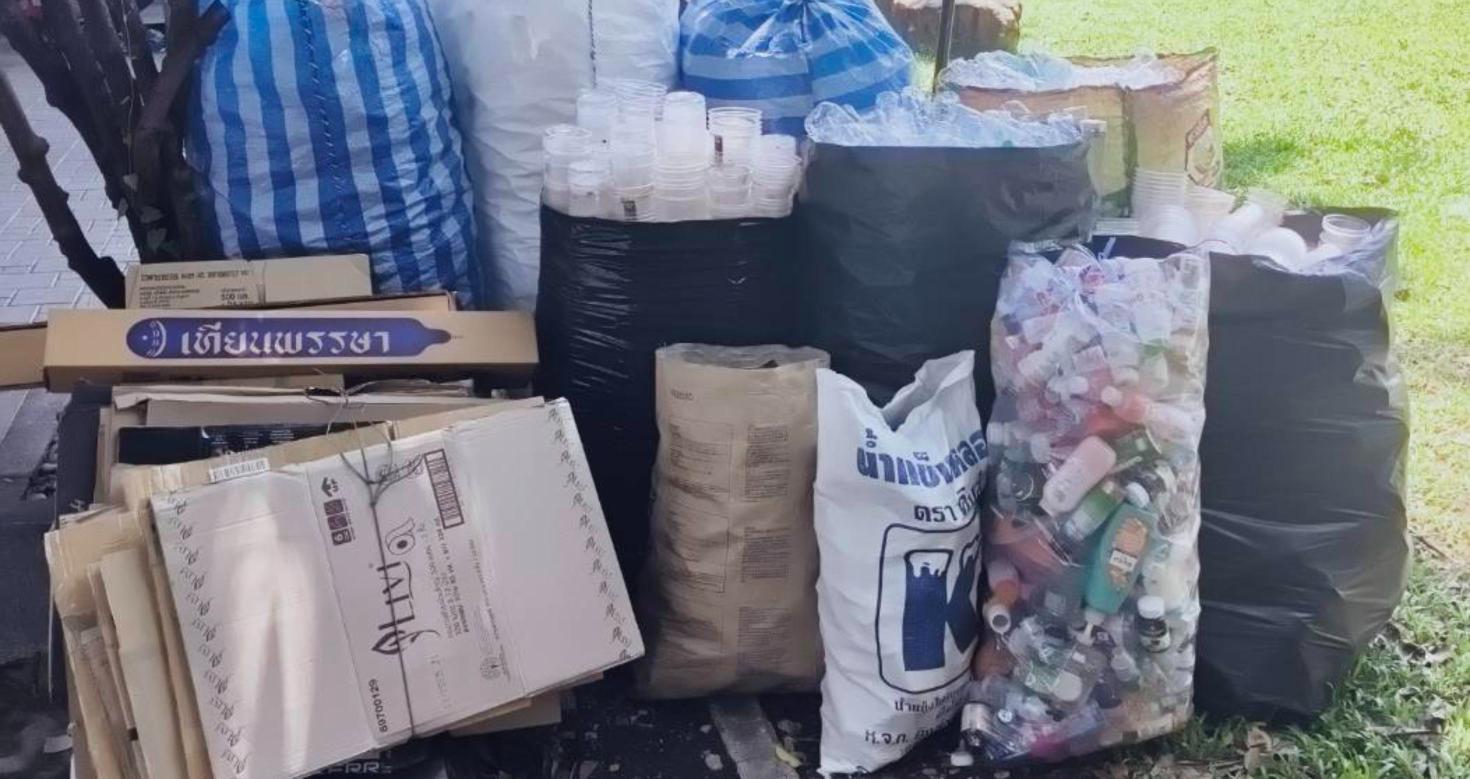
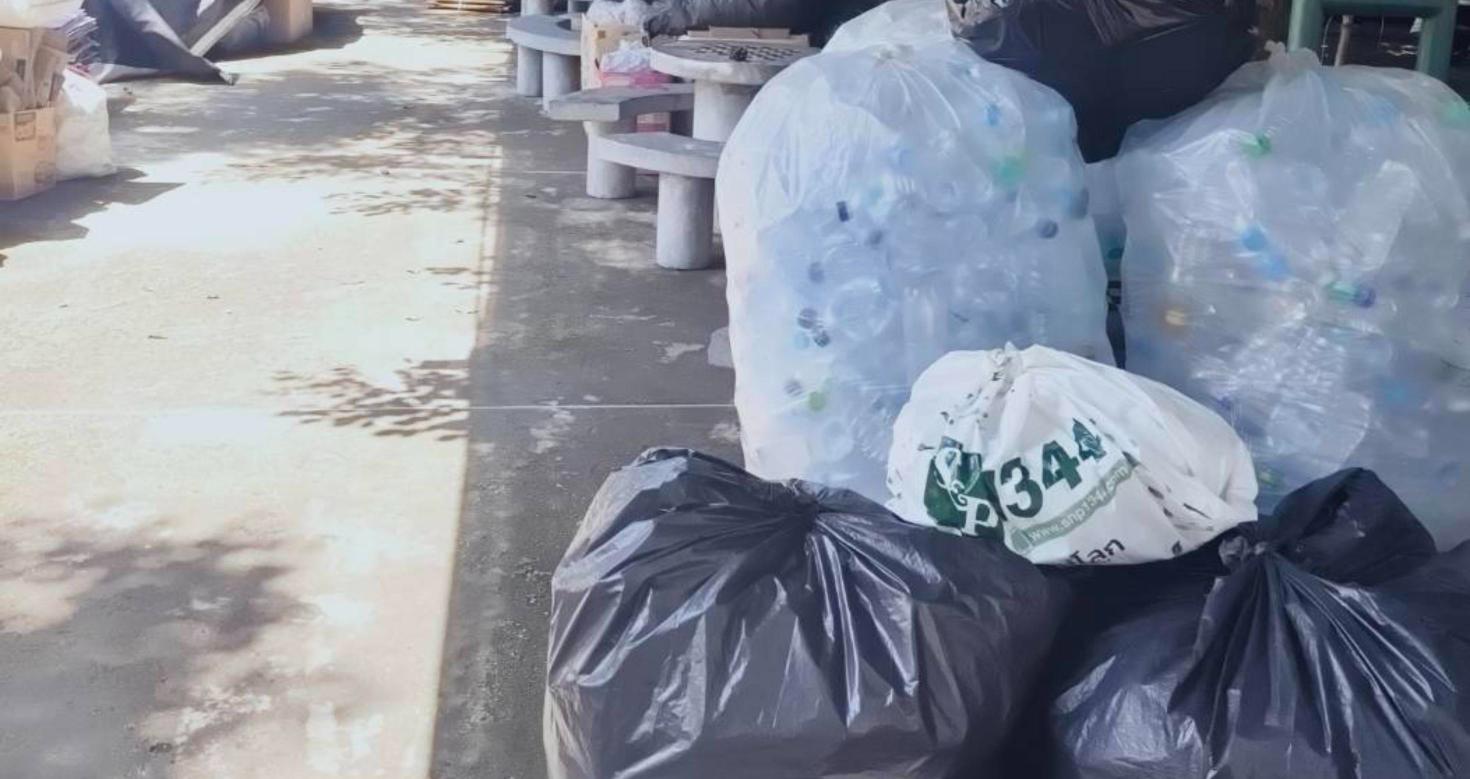
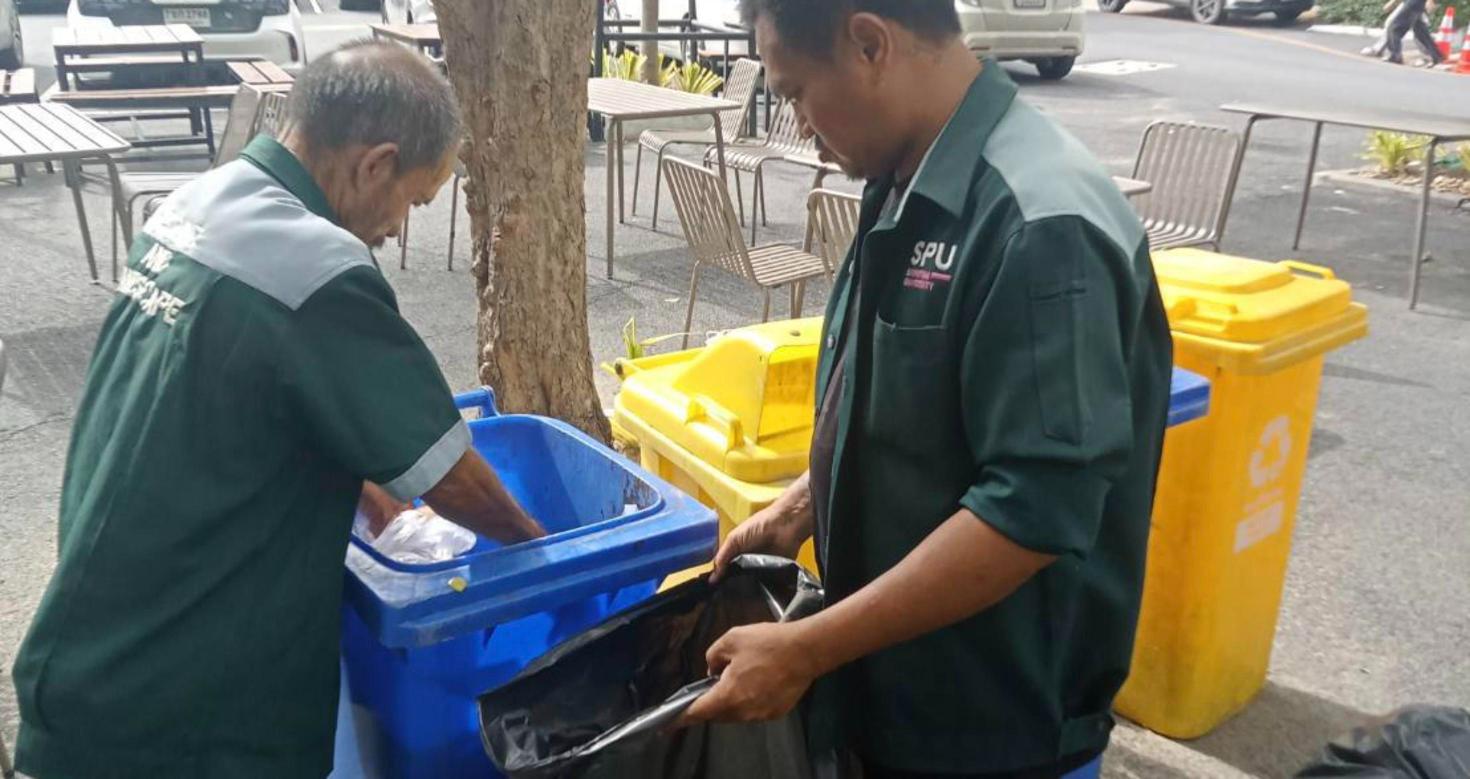
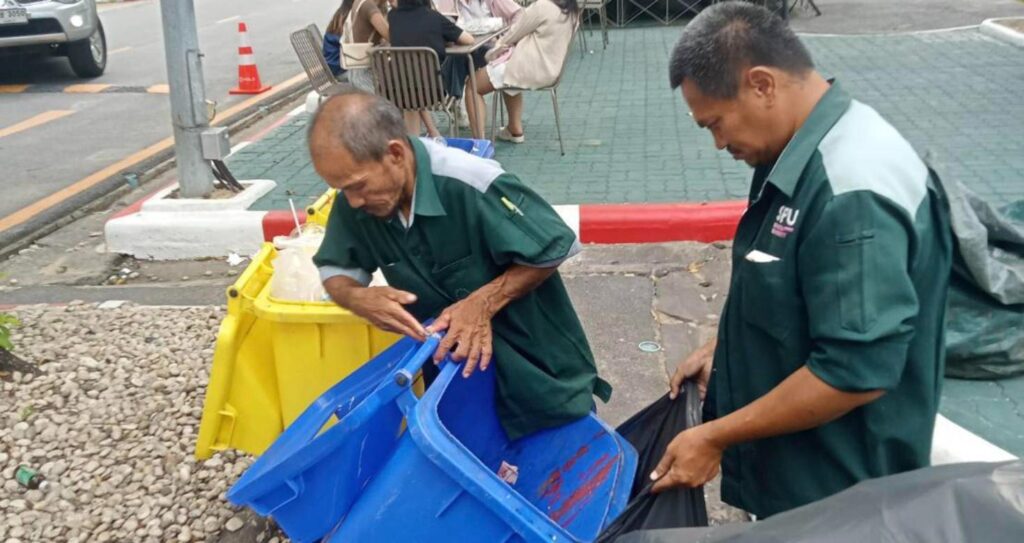 The Office of Building and Facilities runs the system across all campus areas. Waste is separated at source, and recyclables such as paper, plastic bottles, glass and metal are brought to the SPU Waste Bank. There they are sorted by type into separate bags and bundles, weighed batch by batch, and recorded against a recycling receipt. General waste passed to the municipal collection service is logged as landfill, and food waste from campus canteens is also recorded. Throughout the 2025/26 academic year, these monthly records were compiled into a single campus-wide dataset.
The result is a clear, evidence-based picture of SPU’s waste flows. Managers can see recycling trends, identify the areas that generate the most waste, and target interventions where they matter most. Students and staff take part directly through source separation and Waste Bank drop-offs, which turns waste minimisation into a shared campus habit. This practice supports SDG 12 on responsible consumption and production, and it reflects the operational-excellence goals of SPU’s Alpha Ready Roadmap.
You cannot reduce what you do not measure.
By measuring every stream, SPU turns waste management from a background service into a transparent, data-driven commitment, moving steadily toward higher recycling rates, less landfill and a truly circular campus.
#SPUSDGs #WasteTracking #CircularCampus #GreenCampus #SripatumUniversity
ทุกกิโลกรัมมีความหมาย: ม.ศรีปทุม วัดและติดตามขยะทั่วทั้งมหาวิทยาลัย เพิ่มรีไซเคิล ลดขยะฝังกลบ
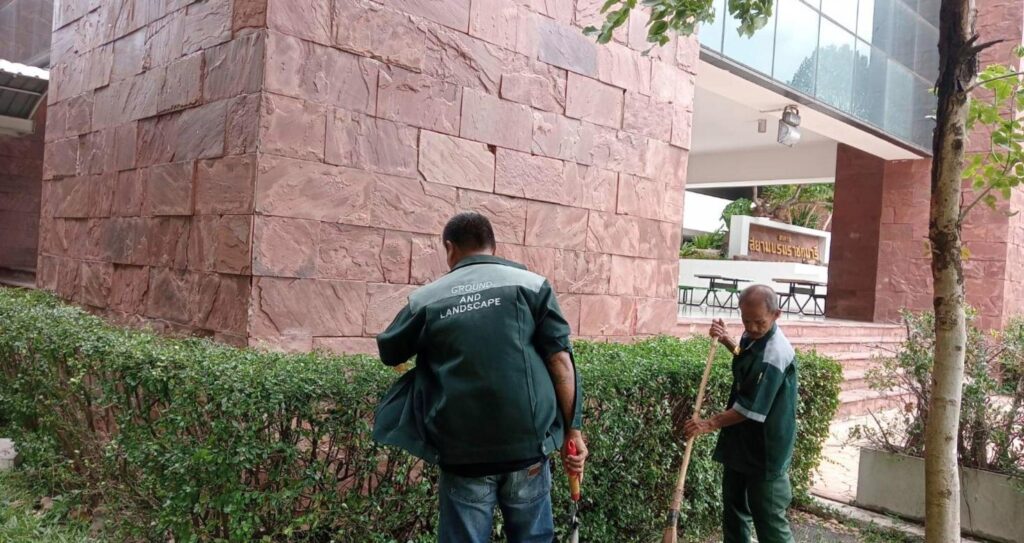 จากถังคัดแยกสู่ตาชั่ง จากตาชั่งสู่เว็บไซต์ SDGs ระบบวัดปริมาณขยะของ SPU เปลี่ยนขยะประจำวันให้เป็นข้อมูล และเปลี่ยนข้อมูลให้เป็นมหาวิทยาลัยหมุนเวียนทรัพยากร มหาวิทยาลัยศรีปทุมยึดหลัก “ลดได้ต้องวัดได้” นำนโยบายการจัดการขยะอย่างยั่งยืนสู่การปฏิบัติ ด้วยระบบติดตามปริมาณขยะที่ครอบคลุมทุกพื้นที่ของมหาวิทยาลัย
มหาวิทยาลัยศรีปทุมประกาศนโยบายการจัดหาทรัพยากรและการจัดการขยะอย่างยั่งยืนเมื่อเดือนกันยายน 2566 นโยบายนี้กำหนดให้มีการตรวจวัดและติดตามปริมาณขยะที่ส่งไปฝังกลบและขยะที่ถูกรีไซเคิล เพื่อให้การปรับปรุงทุกขั้นตอนตรวจสอบได้จริง
สำนักงานอาคารสถานที่เป็นผู้ดำเนินระบบนี้ครอบคลุมทุกพื้นที่ ขยะถูกคัดแยกตั้งแต่ต้นทาง วัสดุรีไซเคิล เช่น กระดาษ ขวดพลาสติก แก้ว และโลหะ ถูกนำมาที่ธนาคารขยะของมหาวิทยาลัย ที่นั่นวัสดุจะถูกจัดแยกตามประเภทใส่ถุงและมัดเป็นชุด ชั่งน้ำหนักทีละรอบ และบันทึกพร้อมใบรับซื้อ ขยะทั่วไปที่ส่งให้หน่วยงานจัดเก็บของท้องถิ่นถูกบันทึกเป็นขยะฝังกลบ และมีการบันทึกขยะอาหารจากโรงอาหารด้วย
ตลอดปีการศึกษา 2568 ข้อมูลรายเดือนถูกรวบรวมเป็นฐานข้อมูลเดียวของทั้งมหาวิทยาลัย ฐานข้อมูลนี้ช่วยให้ผู้บริหารเห็นแนวโน้มการรีไซเคิล ระบุจุดที่เกิดขยะมาก และวางมาตรการได้ตรงเป้า
ลดได้ต้องวัดได้
นักศึกษาและบุคลากรมีส่วนร่วมโดยตรงผ่านการคัดแยกและนำวัสดุมาฝากธนาคารขยะ จนการลดขยะกลายเป็นวัฒนธรรมร่วมของมหาวิทยาลัย แนวปฏิบัตินี้สอดคล้องกับเป้าหมายการบริโภคและการผลิตอย่างรับผิดชอบของ SDGs และสนับสนุนเป้าหมายความเป็นเลิศด้านการบริหารจัดการตาม Alpha Ready Roadmap
ด้วยการวัดขยะทุกประเภท SPU ทำให้การจัดการขยะเป็นพันธกิจที่โปร่งใสและขับเคลื่อนด้วยข้อมูล มุ่งสู่การรีไซเคิลที่มากขึ้น ขยะฝังกลบที่น้อยลง และมหาวิทยาลัยแห่งการหมุนเวียนทรัพยากรอย่างแท้จริง
Policy Documents | เอกสารนโยบายที่อ้างถึง
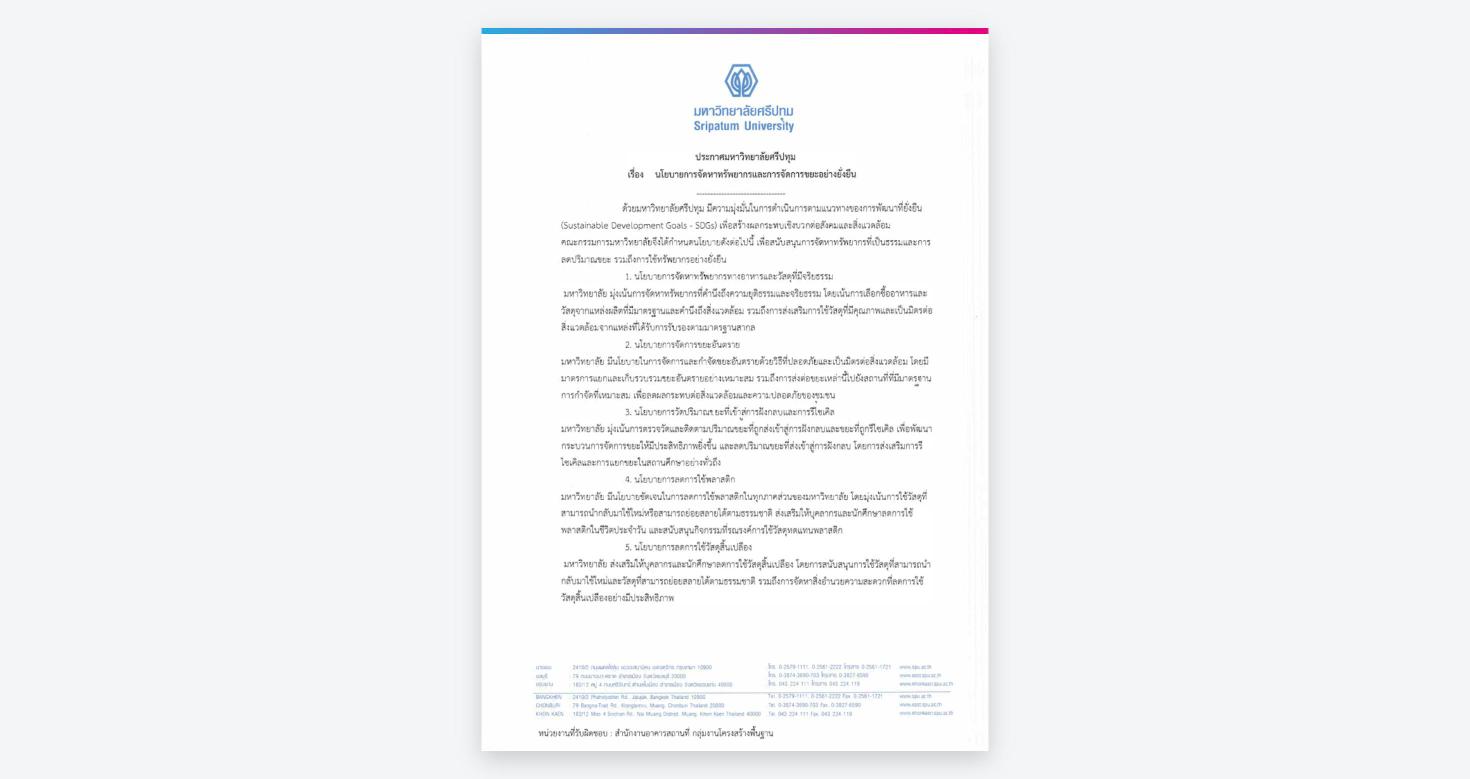
- Sustainable Resource Procurement and Waste Management Policy (9 September 2023)
ประกาศมหาวิทยาลัยศรีปทุม เรื่อง นโยบายการจัดหาทรัพยากรและการจัดการขยะอย่างยั่งยืน (9 กันยายน 2566)
#SPUSDGs #ธนาคารขยะ #คัดแยกขยะ #ลดขยะฝังกลบ #เศรษฐกิจหมุนเวียน #มหาวิทยาลัยศรีปทุม