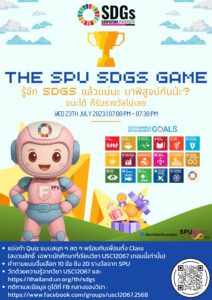
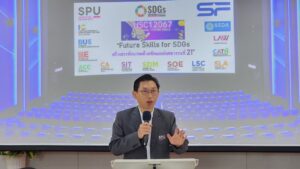
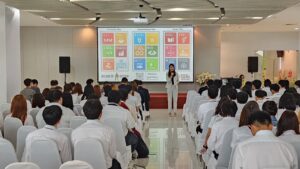
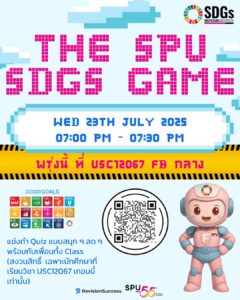
 Can students spot which real-world actions truly advance the Sustainable Development Goals (SDGs)? This semester, every SPU freshman found out through an SDG literacy check embedded in USC12067 “Future Skills.”
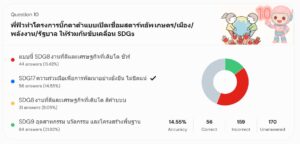
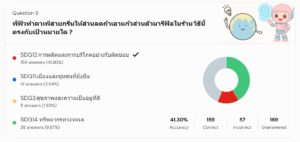
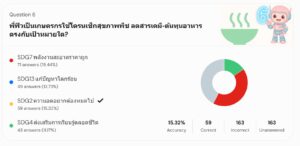 Delivered through the Learning Management System (LMS), the assessment asked students to match practical actions to the right SDG. Examples included: a NASA free online course that broadens access to learning (SDG 4); an electric bus with solar and free Wi-Fi that supports inclusive urban mobility (SDG 11); a drone-based crop-health check that reduces chemicals and food costs (SDG 2); a youth PM2.5 analytics project that protects health (SDG 3); a campus café discount for reusable cups that drives responsible consumption (SDG 12); and an open “smart-town” network linking agriculture, cities, energy and government that showcases partnerships (SDG 17).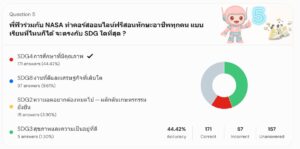
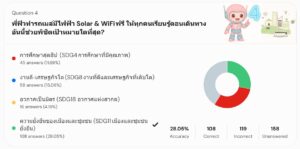
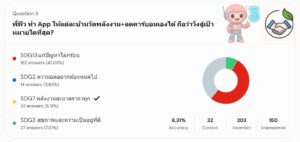
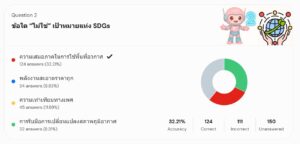
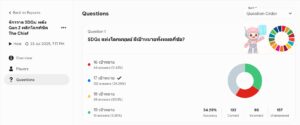
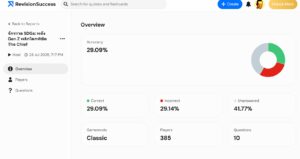
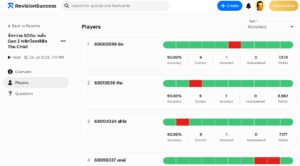
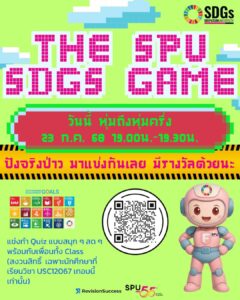 Results were visualized in a Business Intelligence (BI) dashboard, with item accuracies typically ranging from ~15% to ~44% across questions—clear signals of where to teach deeper. Faculty responded with targeted micro-lessons and case-based discussions to close gaps, ensuring every student shares a practical, working literacy in sustainability.
By turning SDGs into lived scenarios and feedback, SPU is building a common language of sustainability across the entire first-year class—and converting insight into action in the next lessons.
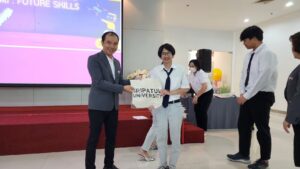
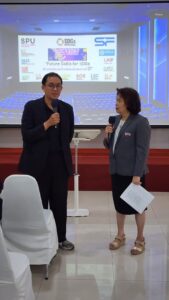
Prizes award ceremony
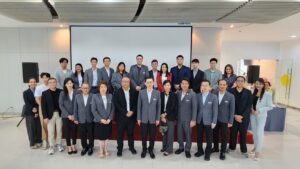
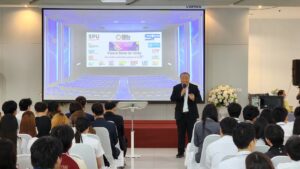
#SPUSDGs #SustainabilityLiteracy #FutureSkills #SDGEducation #SPUImpact
SPU ตรวจเช็กลิตราซีด้าน SDGs ระดับมหาวิทยาลัย: น้องใหม่ 10,000 คนร่วมทำแบบประเมิน “Future Skills”
นักศึกษาสามารถแยกแยะได้ไหมว่า “การกระทำจริง” ใดช่วยขับเคลื่อนเป้าหมายการพัฒนาที่ยั่งยืน (SDGs) อย่างแท้จริง? ภาคการศึกษานี้ นักศึกษาปีหนึ่งของ SPU ทุกคนได้พิสูจน์ผ่านแบบประเมิน SDG Literacy ในรายวิชา USC12067 “Future Skills”
 แบบประเมินดำเนินผ่านระบบการเรียนรู้ (LMS) โดยให้จับคู่ “การกระทำจริง” กับ SDG ที่ถูกต้อง เช่น คอร์สออนไลน์ฟรีของ NASA ที่ขยายโอกาสการเรียนรู้ (SDG 4), รถบัสไฟฟ้าพลังงานแสงอาทิตย์พร้อม Wi-Fi ฟรีที่สนับสนุนการเดินทางในเมืองอย่างทั่วถึง (SDG 11), โดรนตรวจสุขภาพพืชลดสารเคมี-ต้นทุนอาหาร (SDG 2), โครงการเยาวชนวิเคราะห์ PM2.5 เพื่อสุขภาพ (SDG 3), ส่วนลดแก้วพกพาในคาเฟ่เพื่อการบริโภคที่รับผิดชอบ (SDG 12) และเครือข่าย “สมาร์ตทาวน์” เชื่อมเกษตร-เมือง-พลังงาน-ภาครัฐ เพื่อความร่วมมือ (SDG 17)
ผลลัพธ์ถูกแสดงบนแดชบอร์ด Business Intelligence (BI) โดยความแม่นยำรายข้ออยู่ราว ~15%–44% ชี้จุดที่ต้องเสริมการเรียนรู้ อาจารย์จึงออกแบบไมโครเลสสันและกรณีศึกษาเพิ่มเติม เพื่อยกระดับความเข้าใจด้านความยั่งยืนให้ทุกคน
 เมื่อ SDGs ถูกทำให้เป็นสถานการณ์จริงพร้อมข้อเสนอแนะ SPU กำลังก่อร่าง “ภาษากลางแห่งความยั่งยืน” ให้กับนักศึกษาปีหนึ่งทุกคน และแปลงข้อมูลเชิงลึกเป็นการเรียนรู้ครั้งถัดไป
#SPUSDGs #SustainabilityLiteracy #FutureSkills #SDGEducation #SPUImpact