
One page, one year, every SDG 13 measure. This is SPU’s public account of how it measures low-carbon energy, plans its path to net zero, shares its Climate Action Plan, and helps people prepare for a changing climate.
Reporting period: 1 August 2025 – 31 July 2026
 Sripatum University (SPU) reports its progress on SDG 13 openly every year. Climate change touches everything a university does, from the power it buys to the floods that reach its students’ home towns. This report covers the 2025/26 academic year. It follows the areas Times Higher Education measures under SDG 13: low-carbon energy use, climate education and partnerships, and the commitment to carbon neutrality. Under the Alpha Ready Roadmap, the Office of Building and Facilities, the Faculty of Engineering, student affairs and faculties across both campuses share this work.
Measuring low-carbon energy across the campus
- Every kilowatt counted: The rooftop solar system on Building 11 has been monitored online since 2017. The system tracks solar output, campus consumption, electricity bought from the grid and CO2 avoided. In late 2025, SPU added solar lighting along campus walkways and roads.
- Reported to the national regulator: Purchased electricity is metered building by building. The total goes into SPU’s 2025 Energy Management Report to the Department of Alternative Energy Development and Efficiency (DEDE).
- Policy behind it: The Energy and Environmental Conservation Policy (No. 100/2565, revised 18 November 2022) puts renewable energy ahead of fossil fuels. It also sets energy standards for new and renovated buildings and promotes low-carbon materials.
A public commitment to carbon neutrality
- Target year 2045: SPU has a public target to become carbon neutral by 2045, five years ahead of Thailand’s national goal. The target follows the Greenhouse Gas Protocol and covers Scope 1 and Scope 2, with Scope 3 to be added step by step. The University Energy Management Committee endorsed the target.
- Cutting demand year by year: The annual energy management cycle sets new reduction measures each year. In 2025/26 these included replacing ageing air-conditioning units, relighting the indoor sports hall and regular electrical maintenance.
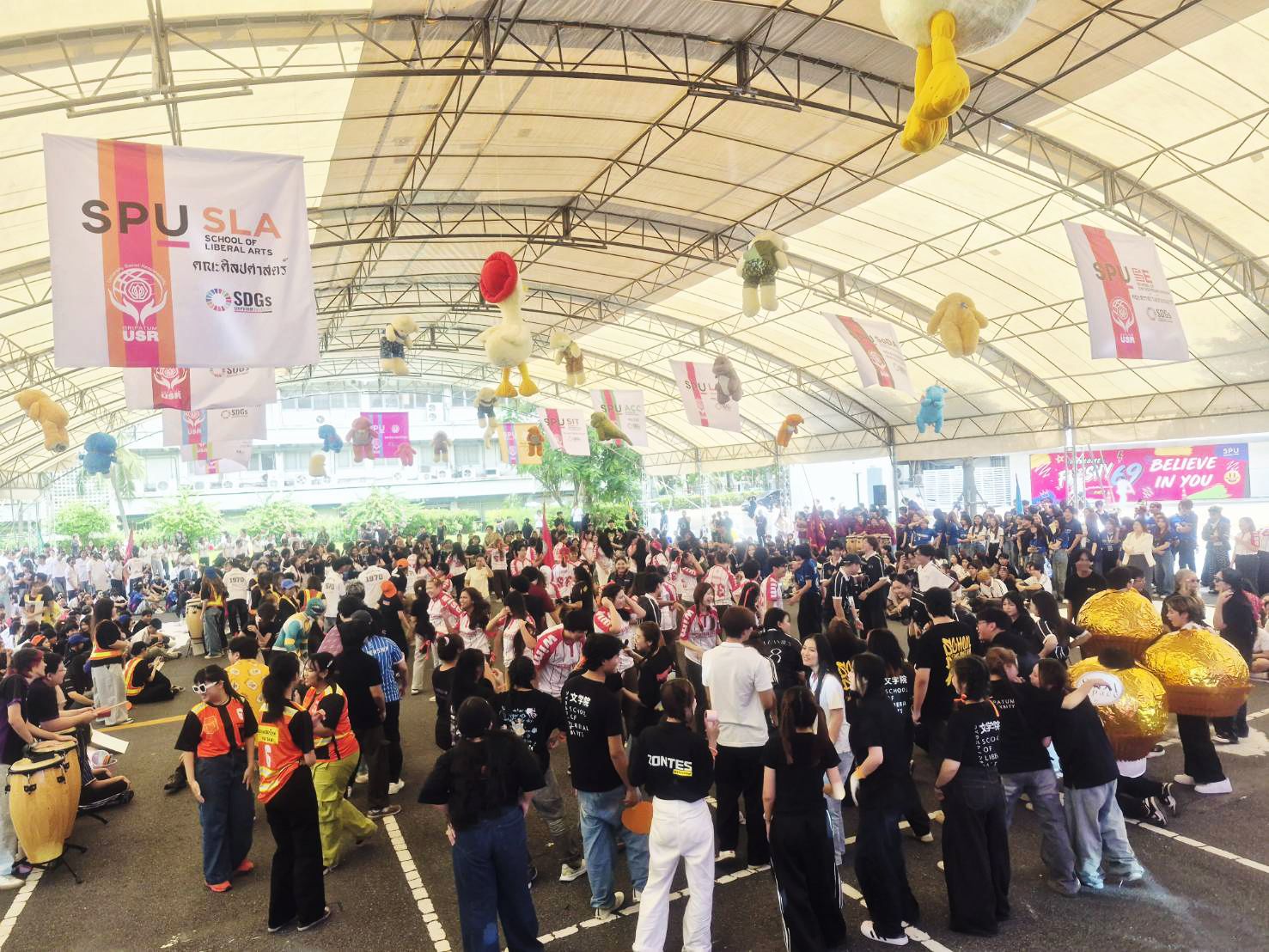
- Students in the carbon account: On 9 July 2026, SPU and the Ministry of Higher Education, Science, Research and Innovation (MHESI) launched ECOLIFE in U at Freshy Day. The app turns students’ low-carbon habits into data for the university’s environmental impact accounting.
A Climate Action Plan shared with government, industry and communities
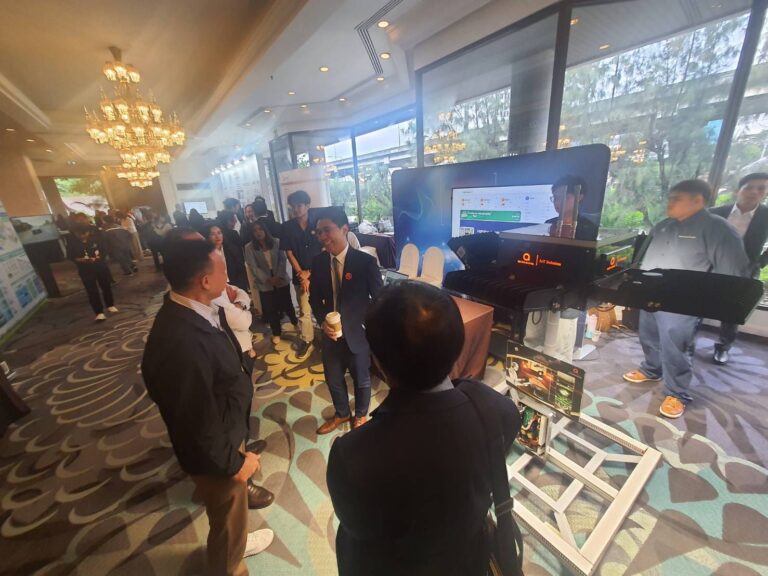
- National platforms: The Associate Dean of Engineering joined the SDSN Thailand Public Forum 2025 at the Ministry of Foreign Affairs (18–19 November 2025). Engineering lecturers joined Energy Symposium 2025 on Thailand’s energy and climate transition (9 October 2025).
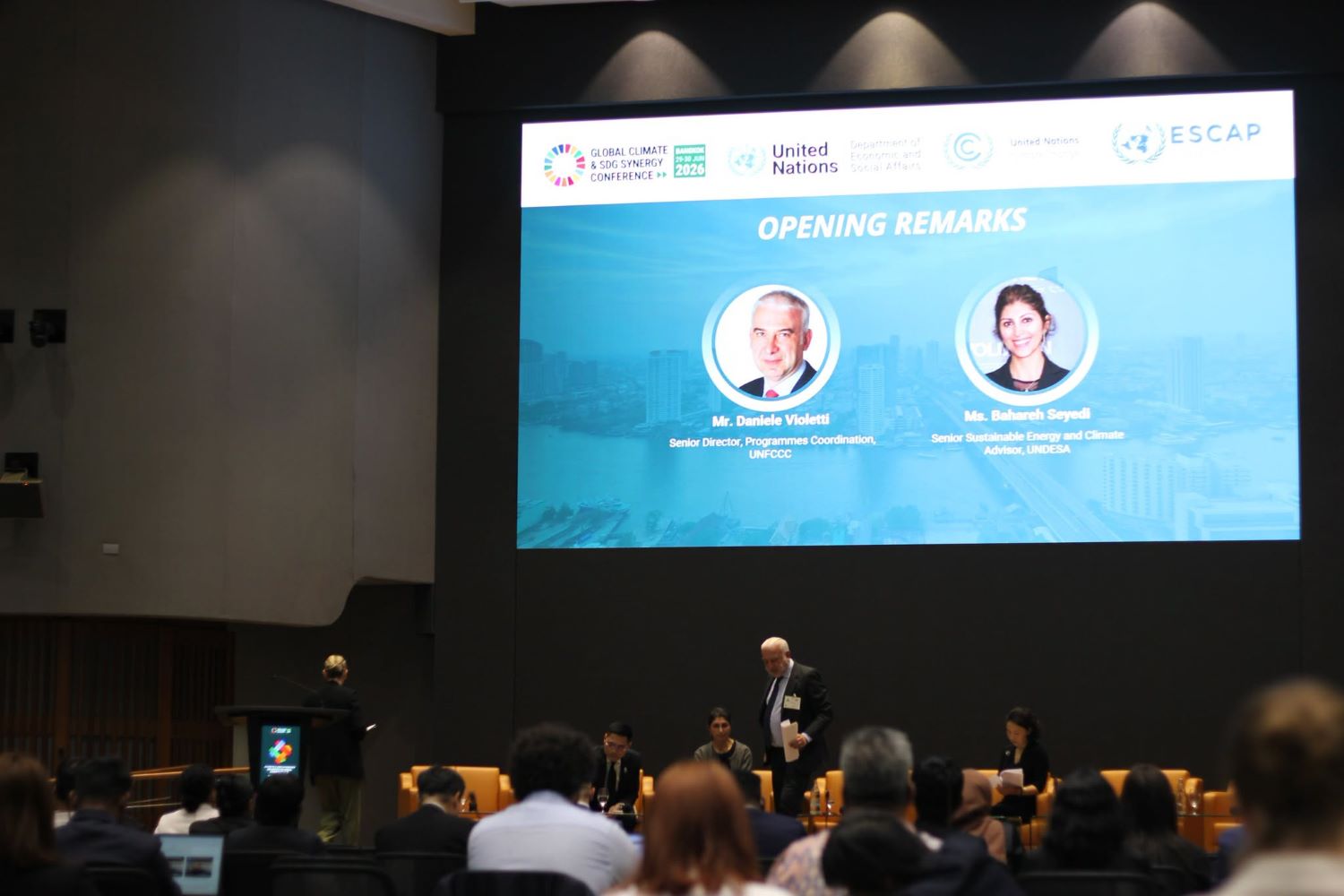
- At the United Nations: International Business students attended the “Climate Change and SDG Synergy” conference at the UN Conference Centre, UN ESCAP, in Bangkok (June 2026).
- Helping industry cut emissions: SPU and the Institute of Industrial Energy trained industrial engineers to use AI to cut energy waste (21 May 2026). The TIE-CON AIoT platform helps factories verify energy savings on the road to net zero.
Climate education in local communities
- Nature-based solutions: On World Town Planning Day (7 November 2025), an SPU engineering lecturer spoke to a provincial seminar in Ratchaburi. The talk covered nature-based solutions that help cities withstand climate change.
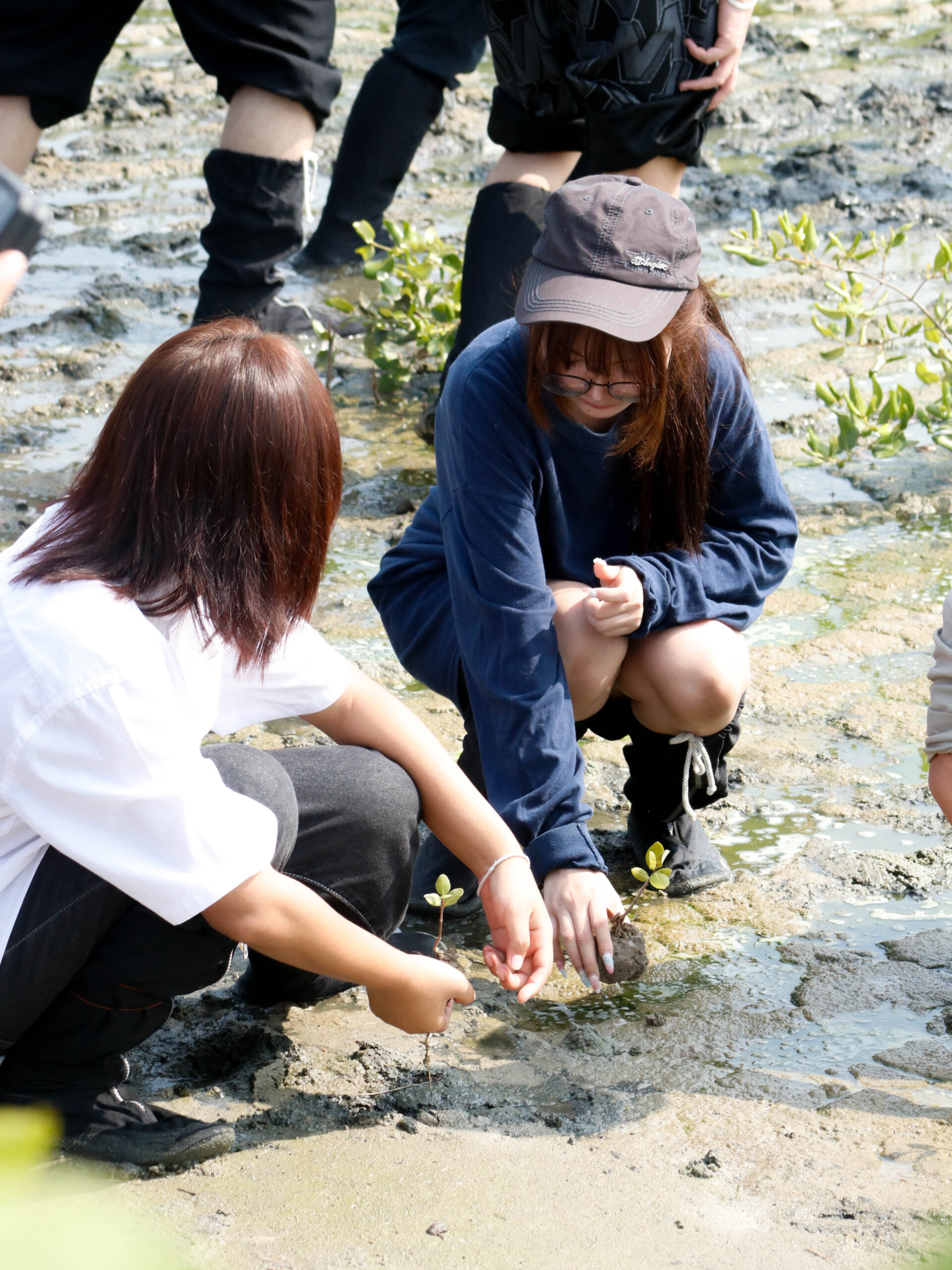
- Mangroves as carbon sinks: Law graduate students planted mangroves at the Khlong Khon Mangrove Conservation Centre, Samut Songkhram (13 September 2025). Aviation Business students planted mangroves (24 January 2026). General Education students planted mangrove seedlings at Laem Fa Pha, Samut Prakan. SPU Chonburi marked World Forestry Day with a mangrove planting (21 March 2026). Each activity paired planting with learning about carbon storage and coastal protection.
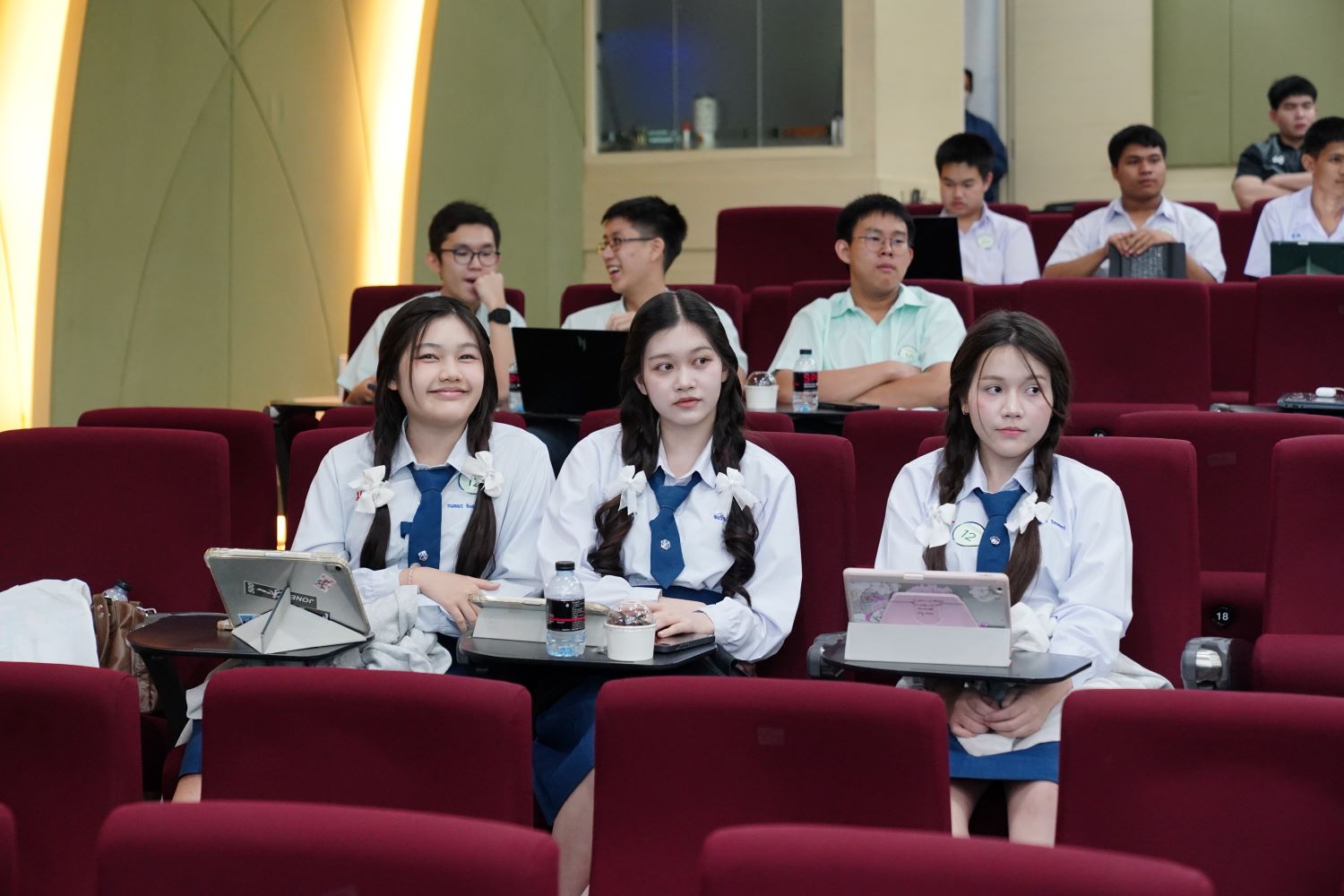
- The next generation’s ideas: The SPU GreenTech Gen Z Challenge 2026 (12 March 2026) invited high-school and vocational students to design AI solutions to environmental problems. Communication Arts students joined PTT’s “COOL THE EARTH” climate video contest. Film students won awards in a national “Go Sustainable” video contest.
Supporting government in climate disasters
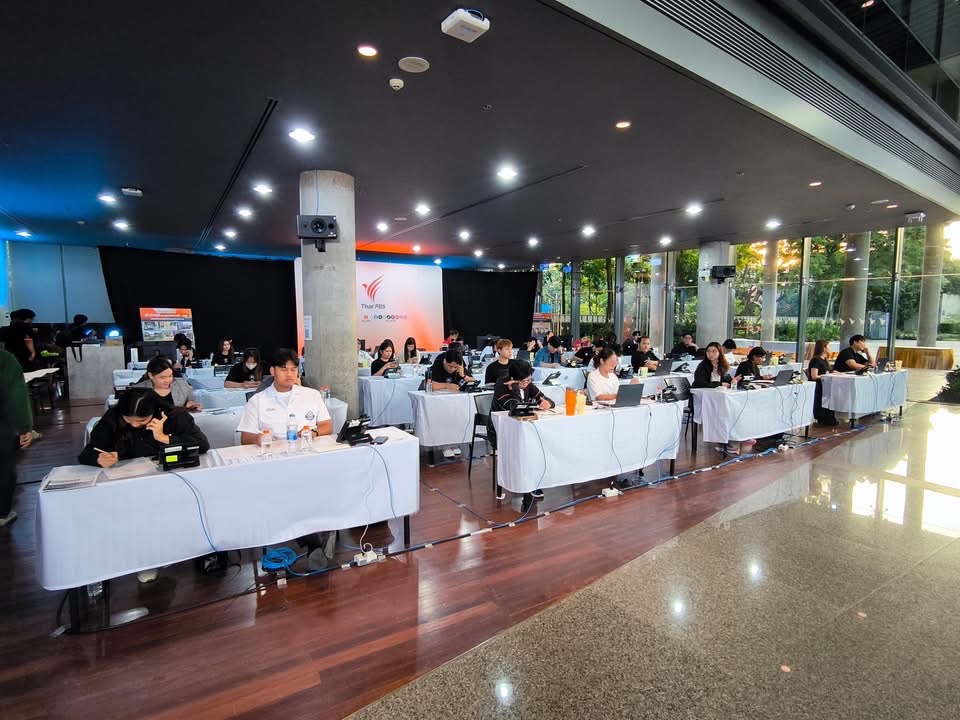
- Southern floods, late 2025: The SPU AI Club built FloodAidSouth, an open platform that maps help requests, evacuation points and safe routes. SPU staff and students volunteered at the Thai PBS relief coordination centre, where the platform passed live information to local responders. SPU sent relief supplies to Songkhla through MHESI. The “SPU Recovery Heroes” programme helped affected students restore their homes.
- Ready for emergencies: Student leaders practised disaster response at the Armed Forces Development Command’s relief training centre (21 February 2026).
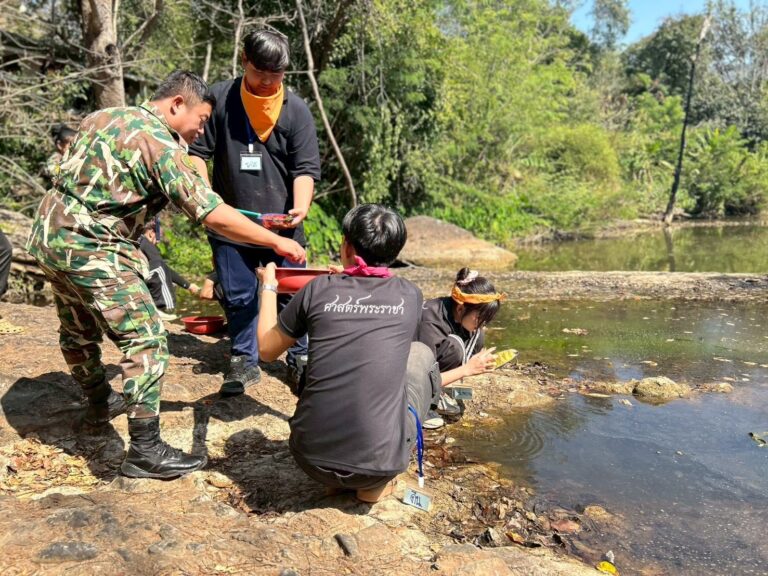
- Restoring watersheds: Student leaders worked with the Royal Thai Army to build check dams and replant forest (February 2026). This strengthens the watershed against drought and flash floods.
Partners and research for climate adaptation
- With civil society: The Faculty of Engineering partnered with the Kai Fa Group, a volunteer citizens’ group, and the Samut Songkhram community on a coastal restoration workshop (9 February 2026).
- Low-carbon ideas that win: SPU Chonburi’s “Coco-Sustain: Digitalizing Low-Carbon Heritage” won a silver medal at the ASCN and SUN Thailand conference (February 2026). Research on low-carbon fashion in the EEC was presented at SUN Thailand. Engineering research on AI for the environment won an honourable mention at the national civil engineering conference NCCE31.
Reporting in public
SPU released its annual SPU SDGs Report 2024 as a free public PDF in November 2025. Each SDG 13 measure also has its own evidence page on the SPU SDGs website.
Next year, SPU aims to:
- complete a full greenhouse gas inventory to refine the path to 2045
- publish solar output and total energy use side by side on a regular basis
- widen climate education and disaster preparedness with local communities
“Every degree we prevent, and every community we prepare, counts.”
At Sripatum University, reporting on SDG 13 is a promise kept in public. Each year we show how we measure and cut our carbon, and how we help the people around us adapt. Year by year, the campus moves closer to carbon neutrality.
#SPU #SPUSDGs #SripatumUniversity #ClimateAction #CarbonNeutral #NetZero #ClimateResilience #SDGReport #Transparency
รายงานความก้าวหน้า SDG 13 ปี 2568/69: มหาวิทยาลัยศรีปทุมติดตามคาร์บอน มุ่งสู่ความเป็นกลางทางคาร์บอนปี 2045 และสร้างความพร้อมรับมือสภาพภูมิอากาศร่วมกับชุมชน
หนึ่งหน้า หนึ่งปี ครบทุกตัวชี้วัด SDG 13 รายงานต่อสาธารณะว่า SPU วัดพลังงานคาร์บอนต่ำ วางเส้นทางสู่ Net Zero แบ่งปันแผนปฏิบัติการด้านภูมิอากาศ และช่วยผู้คนเตรียมพร้อมรับสภาพอากาศที่เปลี่ยนไปอย่างไร
 มหาวิทยาลัยศรีปทุมเผยแพร่ความก้าวหน้าตาม SDG 13 ต่อสาธารณะทุกปี รายงานนี้ครอบคลุมปีการศึกษา 2568/69 (1 ส.ค. 2568 – 31 ก.ค. 2569) จัดหัวข้อตามด้านที่ Times Higher Education ใช้วัด ได้แก่ การใช้พลังงานคาร์บอนต่ำ การให้ความรู้และความร่วมมือด้านภูมิอากาศ และพันธกิจความเป็นกลางทางคาร์บอน ภายใต้ Alpha Ready Roadmap งานนี้เป็นความร่วมมือของสำนักงานอาคารสถานที่ คณะวิศวกรรมศาสตร์ หน่วยงานกิจการนักศึกษา และคณะต่าง ๆ ทั้งวิทยาเขตบางเขนและชลบุรี
ด้านการวัดพลังงานคาร์บอนต่ำ
- ระบบโซลาร์เซลล์บนหลังคาอาคาร 11 ติดตามผลออนไลน์มาตั้งแต่ปี 2560 วัดได้ทั้งพลังงานที่ผลิต การใช้ไฟฟ้า ไฟฟ้าที่ซื้อ และ CO2 ที่ลดได้ ปลายปี 2568 มหาวิทยาลัยติดตั้งไฟส่องสว่างพลังงานแสงอาทิตย์ตามทางเดินและถนนเพิ่มเติม
- ไฟฟ้าที่ซื้อมีมิเตอร์วัดแยกรายอาคาร และรวมอยู่ในรายงานการจัดการพลังงานปี 2568 ที่ส่ง พพ.
- นโยบายการอนุรักษ์พลังงานและสิ่งแวดล้อม (ปก.มศป.100/2565 ประกาศ 18 พ.ย. 2565) ให้ความสำคัญกับพลังงานหมุนเวียนแทนเชื้อเพลิงฟอสซิล กำหนดมาตรฐานพลังงานของอาคารใหม่และอาคารปรับปรุง และส่งเสริมวัสดุคาร์บอนต่ำ
ด้านพันธกิจความเป็นกลางทางคาร์บอน
- มหาวิทยาลัยตั้งเป้าเป็นกลางทางคาร์บอนภายในปี 2045 เร็วกว่าเป้าหมายประเทศ 5 ปี ใช้มาตรฐาน Greenhouse Gas Protocol ครอบคลุม Scope 1 และ 2 แล้วจะทยอยรวม Scope 3 โดยคณะกรรมการจัดการพลังงานของมหาวิทยาลัยให้ความเห็นชอบ
- วงจรการจัดการพลังงานกำหนดมาตรการลดการใช้พลังงานใหม่ทุกปี ปี 2568/69 ได้แก่ เปลี่ยนเครื่องปรับอากาศเก่า ปรับระบบแสงสว่างอาคารกีฬา และบำรุงรักษาระบบไฟฟ้าอย่างสม่ำเสมอ
- มหาวิทยาลัยร่วมกับ อว. เปิดตัว ECOLIFE in U ในงาน Freshy Day (9 ก.ค. 2569) แอปนี้เปลี่ยนพฤติกรรมคาร์บอนต่ำของนักศึกษาเป็นข้อมูลบัญชีผลกระทบสิ่งแวดล้อมของมหาวิทยาลัย
ด้านการแบ่งปันแผนปฏิบัติการด้านภูมิอากาศ
- รองคณบดีคณะวิศวกรรมศาสตร์ร่วม SDSN Thailand Public Forum 2025 ที่กระทรวงการต่างประเทศ (18–19 พ.ย. 2568) และคณาจารย์วิศวะร่วมสัมมนา Energy Symposium 2025 ว่าด้วยการเปลี่ยนผ่านด้านพลังงานและภูมิอากาศ (9 ต.ค. 2568)
- นักศึกษาธุรกิจระหว่างประเทศร่วมการประชุม “Climate Change and SDG Synergy” ณ ศูนย์ประชุมสหประชาชาติ UN ESCAP (มิ.ย. 2569)
- อบรมวิศวกรภาคอุตสาหกรรมให้ใช้ AI ลดการสูญเสียพลังงาน ร่วมกับสถาบันพลังงานเพื่ออุตสาหกรรม (21 พ.ค. 2569) และพัฒนาแพลตฟอร์ม TIE-CON AIoT ที่ช่วยโรงงานยืนยันผลการประหยัดพลังงานสู่ Net Zero
ด้านการให้ความรู้ด้านภูมิอากาศแก่ชุมชน
- วันผังเมืองโลก (7 พ.ย. 2568) อาจารย์คณะวิศวกรรมศาสตร์บรรยายเรื่อง Nature-based Solutions เพื่อเมืองที่รับมือการเปลี่ยนแปลงสภาพภูมิอากาศ ในเวทีระดับจังหวัดที่ราชบุรี
- ปลูกป่าชายเลนพร้อมเรียนรู้บทบาทการกักเก็บคาร์บอนและป้องกันชายฝั่ง โดยนักศึกษานิติศาสตรมหาบัณฑิต ที่ศูนย์อนุรักษ์ป่าชายเลนคลองโคน จ.สมุทรสงคราม (13 ก.ย. 2568) นักศึกษาธุรกิจการบิน (24 ม.ค. 2569) นักศึกษาสำนักวิชาศึกษาทั่วไป ที่แหลมฟ้าผ่า จ.สมุทรปราการ และวิทยาเขตชลบุรี เนื่องในวันป่าไม้โลก (21 มี.ค. 2569)
- SPU GreenTech Gen Z Challenge 2026 (12 มี.ค. 2569) ชวนนักเรียนมัธยมและอาชีวะออกแบบ AI แก้ปัญหาสิ่งแวดล้อม นักศึกษานิเทศศาสตร์ร่วมโครงการ COOL THE EARTH ของ ปตท. และนักศึกษาภาพยนตร์คว้ารางวัลการประกวดวิดีโอ “Go Sustainable” ระดับชาติ
ด้านการสนับสนุนภาครัฐเมื่อเกิดภัยพิบัติ
- อุทกภัยภาคใต้ปลายปี 2568: SPU AI CLUB พัฒนา FloodAidSouth แพลตฟอร์มรวมคำขอความช่วยเหลือ จุดอพยพ และเส้นทางปลอดภัย บุคลากรและนักศึกษาเป็นอาสาสมัครที่ศูนย์ประสานงานช่วยเหลือของ Thai PBS ส่งข้อมูลสดให้หน่วยงานในพื้นที่ มหาวิทยาลัยส่งสิ่งของช่วยเหลือไปสงขลาผ่าน อว. และโครงการ SPU Recovery Heroes ช่วยนักศึกษาที่ได้รับผลกระทบฟื้นฟูบ้าน
- ผู้นำนักศึกษาฝึกรับมือภัยพิบัติที่ศูนย์ฝึกบรรเทาสาธารณภัยของหน่วยบัญชาการทหารพัฒนา (21 ก.พ. 2569)
- ผู้นำนักศึกษาร่วมกองทัพบกสร้างฝายชะลอน้ำและปลูกป่า (ก.พ. 2569) ช่วยให้ลุ่มน้ำรับมือภัยแล้งและน้ำป่าได้ดีขึ้น
ด้านความร่วมมือและงานวิจัยเพื่อการปรับตัว
- คณะวิศวกรรมศาสตร์ร่วมกับกลุ่มไก่ฟ้า (กลุ่มอาสาสมัครภาคประชาชน) และชุมชนสมุทรสงคราม จัดเวิร์กช็อปฟื้นฟูชายฝั่ง (9 ก.พ. 2569)
- “Coco-Sustain: Digitalizing Low-Carbon Heritage” ของ SPU ชลบุรี คว้าเหรียญเงินเวที ASCN และ SUN Thailand (ก.พ. 2569) งานวิจัยแฟชั่นคาร์บอนต่ำใน EEC นำเสนอที่ SUN Thailand และงานวิจัย AI เพื่อสิ่งแวดล้อมได้รางวัลชมเชยบทความดีเด่นในงาน NCCE31
ด้านการรายงานต่อสาธารณะ
มหาวิทยาลัยเผยแพร่ SPU SDGs Report 2024 เป็น PDF สาธารณะเมื่อ พ.ย. 2568 และทุกตัวชี้วัด SDG 13 มีหน้าหลักฐานบนเว็บไซต์ SPU SDGs
ก้าวต่อไป:
- จัดทำบัญชีก๊าซเรือนกระจกฉบับสมบูรณ์ เพื่อกำหนดเส้นทางสู่ปี 2045 ให้ชัดขึ้น
- เผยแพร่ข้อมูลพลังงานแสงอาทิตย์คู่กับพลังงานรวมอย่างสม่ำเสมอ
- ขยายการให้ความรู้และการเตรียมพร้อมรับภัยพิบัติร่วมกับชุมชน
“ทุกองศาที่เราช่วยลด และทุกชุมชนที่เราช่วยเตรียมพร้อม ล้วนมีความหมาย”
สำหรับมหาวิทยาลัยศรีปทุม การรายงาน SDG 13 คือคำมั่นที่รักษาต่อหน้าสาธารณชน ทุกปีเราแสดงให้เห็นว่าเราวัดและลดคาร์บอนของตนเองอย่างไร และช่วยผู้คนรอบตัวปรับตัวรับสภาพอากาศที่เปลี่ยนไปอย่างไร ปีต่อปี มหาวิทยาลัยก้าวเข้าใกล้ความเป็นกลางทางคาร์บอนมากขึ้น
#SPU #SPUSDGs #มหาวิทยาลัยศรีปทุม #การรับมือการเปลี่ยนแปลงสภาพภูมิอากาศ #ความเป็นกลางทางคาร์บอน #โลกร้อน #รายงานSDG #ความโปร่งใส