
Reporting period: 1 August 2025 – 31 July 2026
One page, one year, every SDG 11 measure. This is SPU’s public account of how it shares its spaces, safeguards culture, cuts commuting and works with cities and communities on places worth living in.
 Sripatum University (SPU) reports its progress on SDG 11 openly every year. A university in the middle of Bangkok shapes the city around it, and its neighbours should be able to see how. This report covers the 2025/26 academic year. It follows the areas Times Higher Education measures under SDG 11: support for arts and heritage, and sustainable practices in travel, housing, planning and building.
Under the Alpha Ready Roadmap, SPU sees itself as an open platform that links the university with industry and society. The Office of Buildings and Facilities, the Center for Arts and Culture, the Library, the Office of Human Resources, the Student Development and Community Relations Center and every faculty share one aim. The campus should make the city more liveable, inclusive and low-carbon.
A campus and culture open to everyone
- Open buildings and cultural places: The public can visit SPU’s significant buildings and places of cultural significance free of charge, from the Buddha image and Vishnukarma shrines to the theatre and exhibition halls. Groups can book venues through a published procedure. In 2025/26, pupils from schools nationwide joined open houses, campus visits and Chinese New Year performances.
- Knowledge for everyone: The SPU Library keeps its institutional repository (SPU-IR) open online to anyone, free of charge. Textbooks, theses, research and journal articles can be read without a university login. This service rests on SPU’s Lifelong Learning Policy.
- Free galleries and screenings: Film students turned the central lawn into a free open-air cinema for “Chai Saeng Klang Mor” (February 2026). Visitors played games and interactive works for free at Galaxion 2026 in Building 11. Student work also went on show at Museum Siam and the Bangkok Art and Culture Centre (BACC).
- Green space for the city: Lawns, shaded walkways, courtyards and open-air plazas stay open all year to residents, schools and families. The SPU Love & Luck Festival (12–13 February 2026) filled Lan Hookwang with secondary-school bands, film screenings and visitors.
- Learning from the city’s green spaces: Third-year architecture students studied Benjakitti Forest Park, a former tobacco factory turned into a large urban forest, as a model for water-sensitive, nature-based city design (23 September 2025).
Keeping living heritage alive
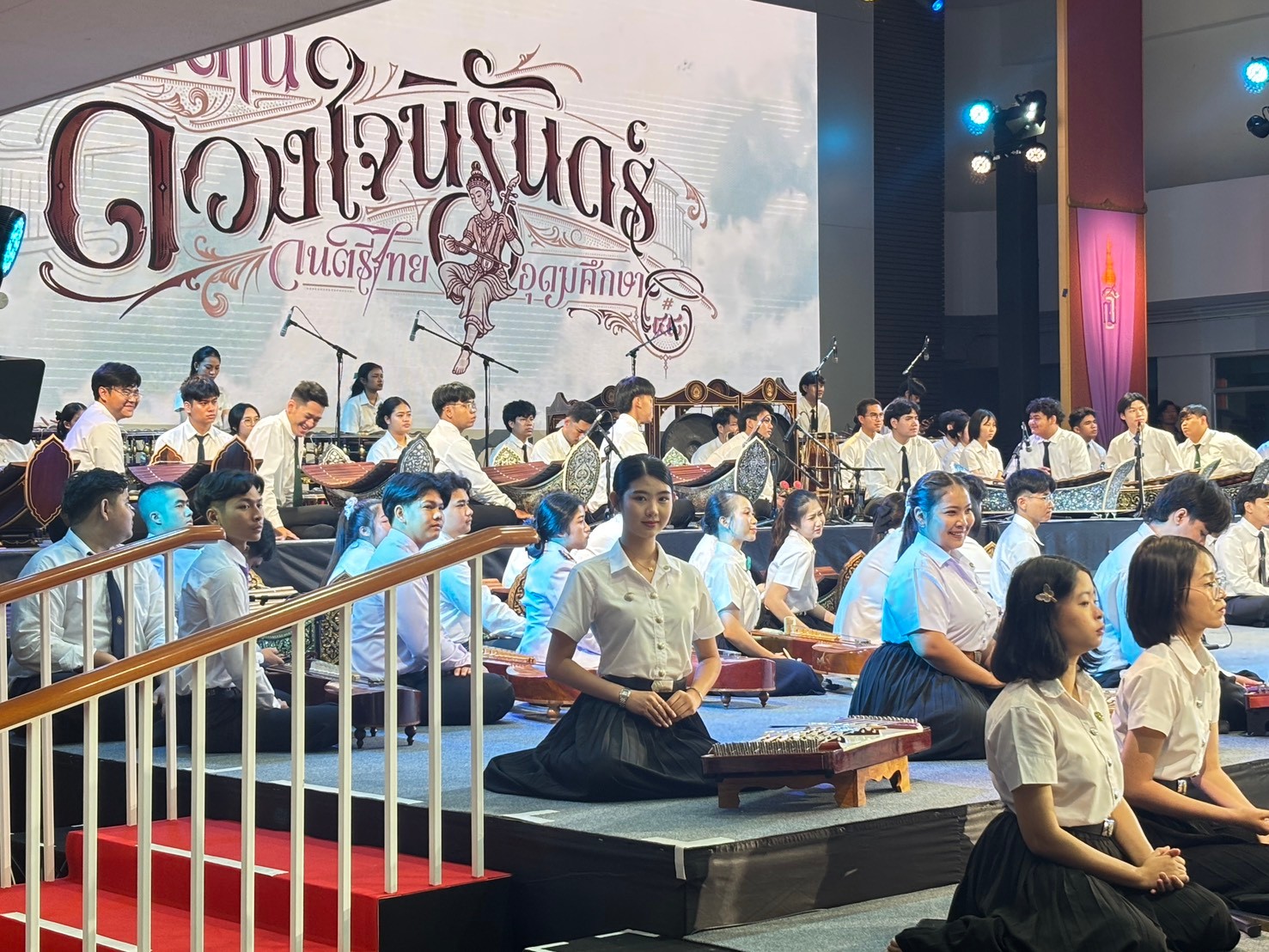
- A year of public stages: Guided by SPU’s Policy on Promoting Local and National Arts and Culture, students performed across the year. They played in the “Dontri Chao SPU” open-stage series (August 2025, January and June 2026), the 24th Higher Education Arts and Culture Festival and the 48th Higher Education Thai Music Festival (February 2026). They also performed at community heritage festivals in Samut Prakan and Chonburi.
- Recording what could be lost: The College of Aviation, Tourism and Hospitality documented temple murals, palace-doll craft and local wisdom in Ang Thong, Ayutthaya and Saraburi. These records became AR and virtual-tour media.
- Heritage with local partners: SPU Chonburi co-created “Withi Thin Na Kluea Khlong Tamru”, a performance on salt-farming life, with the local municipality (February 2026). It also taught garland-making to local youth.
- Diaspora traditions: International College students researched and staged Chinese and Indian wedding traditions. Japanese exchange students taught Bon Odori to Thai peers.
- Investment: SPU reports its spending on arts and heritage to Times Higher Education every year.
Lower-carbon travel and smarter ways of working
- Targets that are measured: The University Energy Management Committee has set a target to reduce the number of cars entering campus. An automated gate system records every vehicle, and the counts so far show a downward trend. This target sits within a carbon-neutrality roadmap that is extending emissions accounting to Scope 3.
- Take the train to class: The Bangkhen campus sits beside BTS Bang Bua station. SPU updated its “Getting to SPU” rail and bus guides in October 2025.
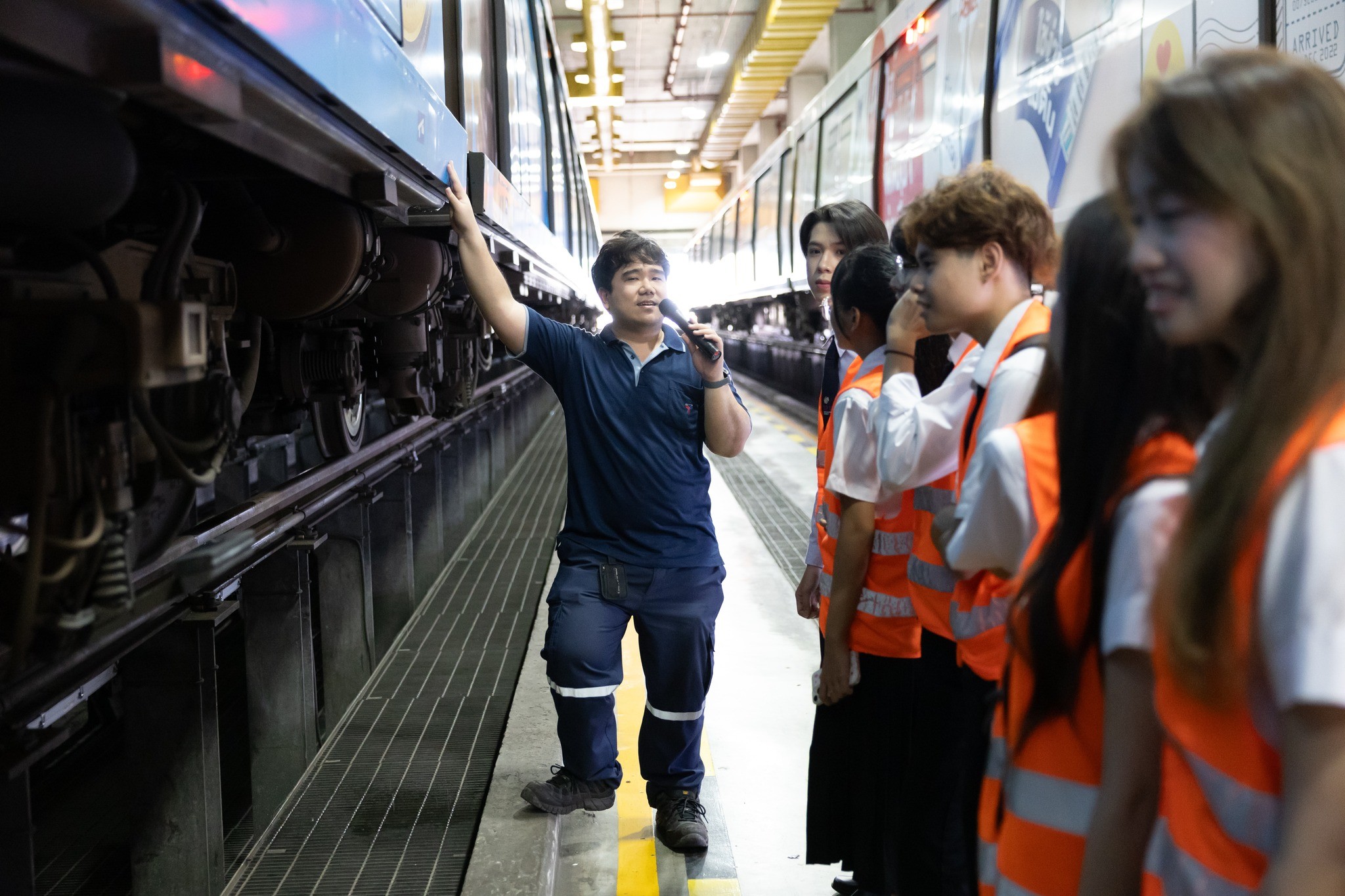
- Training the people who run city rail: Railway engineering students learned maintenance and operations alongside BTS technicians at the Green Line depot (November 2025).
- Safer walking routes for neighbours: In June 2026, Engineering and Architecture & Design students returned to a well-lit route linking Bang Bua community to the Phahonyothin transit corridor. They encouraged residents to walk it.
- Work and learn from anywhere: Office of Human Resources guidelines allow online and hybrid work. Under a national energy-saving announcement, every theory course moved to Hybrid Learning from 19 March 2026. SPUCON2025 (30 September 2025) ran as a fully virtual conference.
- A campus built for feet: The inner academic zone is kept free of non-essential vehicles. Late in 2025, solar-powered lights were added to poorly lit paths. Walking campaigns ran from November 2025 to January 2026 (a step challenge) and from May to July 2026 (Happy Walk Hour).
Homes within reach
- For staff: On 30 September 2025, SPU signed an MOU with Krungthai Bank. It gives staff housing welfare loans on preferential terms to buy, build, refinance or renovate a home. At the Chonburi campus, eligible staff can live in university-provided housing at subsidised or no cost.
- For students: The White Dormitory Network audits nearby dormitories for safety, hygiene and a drug-free setting, and publishes rents and BTS access. Home@SPU (June 2026) secured special welfare rates with off-campus operators. Student Loan Fund living allowances help students pay rent.
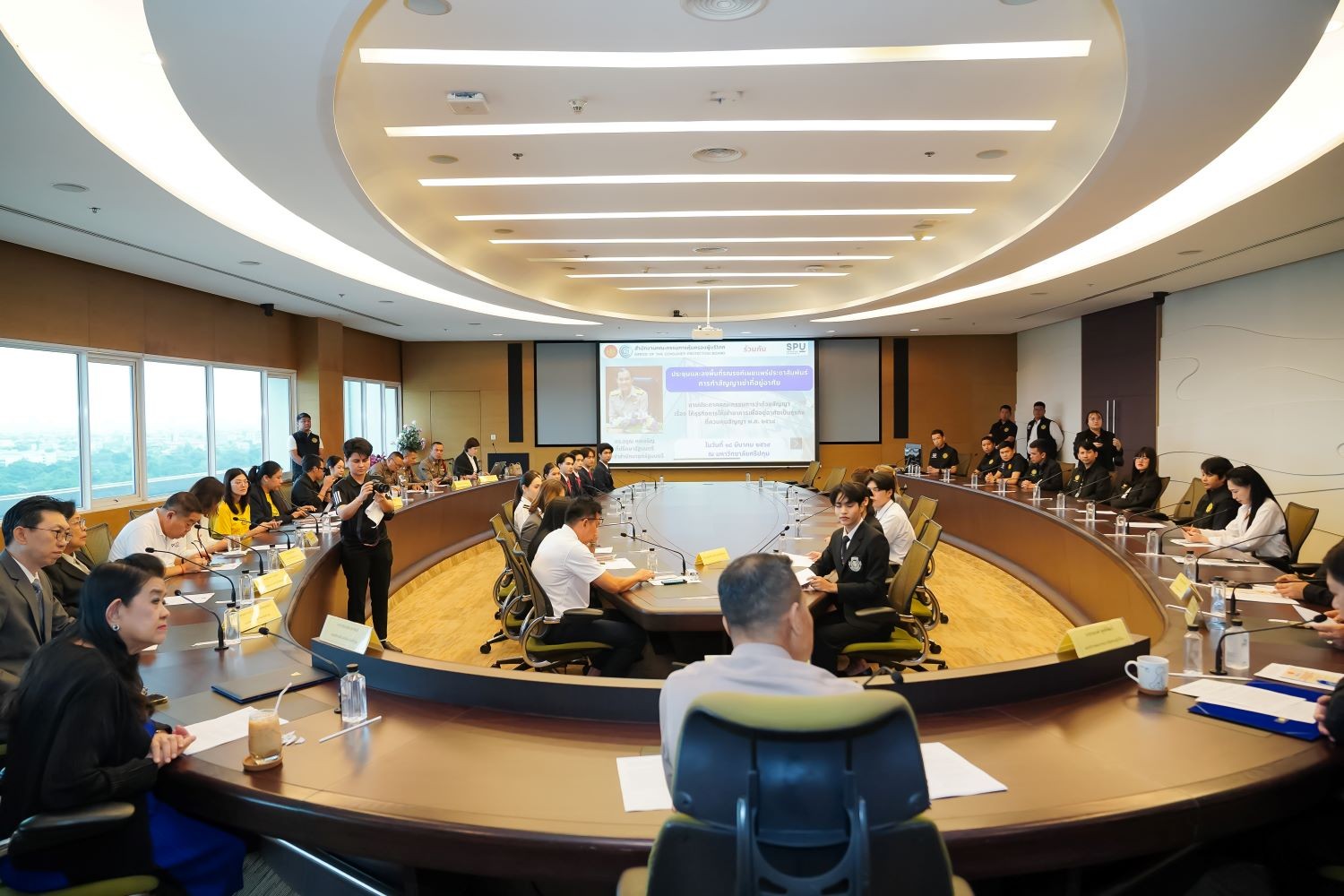
- Fair rental contracts: SPU hosted Thailand’s Office of the Consumer Protection Board (OCPB) on 18 March 2026 to brief students and residents on fair, transparent housing lease contracts.
Planning better places with cities and communities
- Town planning expertise: On World Town Planning Day (7 November 2025), SPU engineering faculty spoke at provincial forums in Ratchaburi and Samut Songkhram. They presented nature-based, climate-adaptive planning.
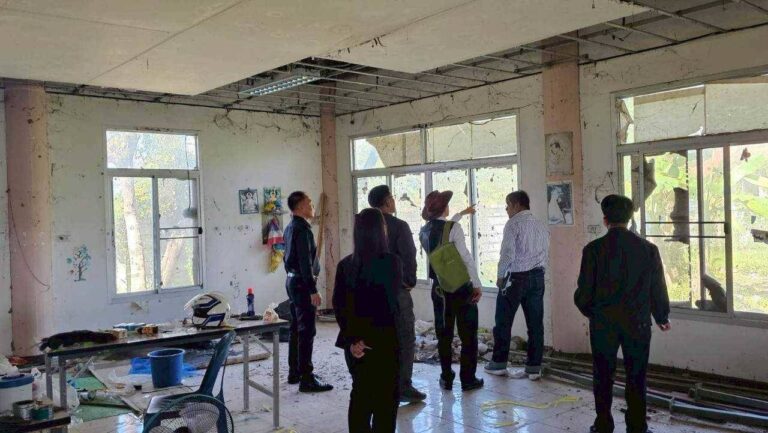
- Safer buildings for children: On 24 November 2025, the Faculty of Engineering presented seismic retrofit options to the Mae Lao Subdistrict Municipality Council in Chiang Rai. The options cover a child development centre damaged by the 2014 earthquake.
- Housing insight for the public sector: The Graduate College of Management assessed resident needs and satisfaction for the National Housing Authority. The findings inform its low- and middle-income housing strategy.
- Co-designing with residents: In June 2026, Engineering and IT students worked with residents of Bang Bua Wooden Bridge Community 1. Together they proposed safer, more accessible walkways.
- Regional partnerships: SPU Chonburi worked with the Chonburi Provincial Administrative Organization to strengthen the networks behind a sustainable sports-tourism city.
Building better on what we already have
- National standards for every project: Policy No. 100/2565 requires every new build and renovation to meet Thailand’s Building Energy Code and to favour solar energy and low-carbon materials. In 2025/26 this guided the expansion of rooftop solar and the April 2026 refit of Building 1’s fourth floor with LED lighting and efficient air-conditioning.
- Reuse before new land: SPU grows by renovating and repurposing its existing buildings instead of taking new land. Examples include a flight and drone simulation lab in Building 11, refurbished offices in Building 5 and upgraded canteen and learning spaces. Point Cloud scans and BIM models of existing buildings now guide these decisions.
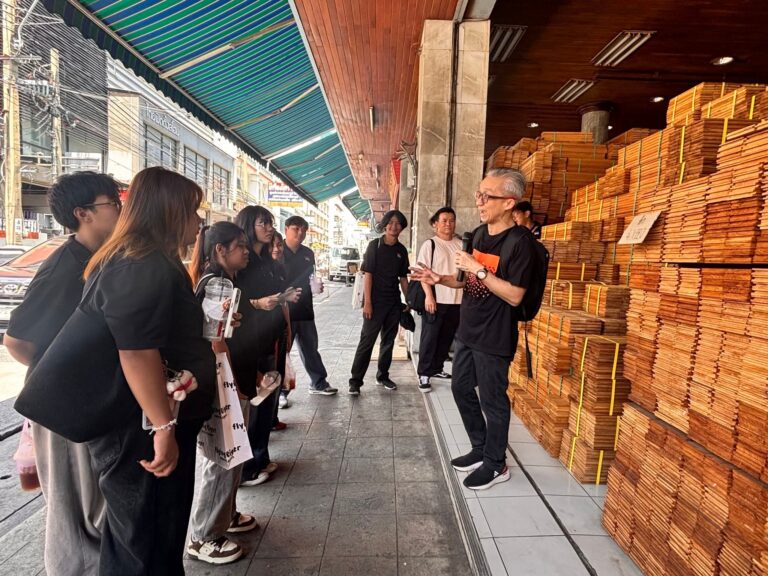
- Learning from urban regeneration: Design students studied the Bang Pho timber district, a traditional trade quarter becoming a creative neighbourhood (20 July 2026).
Next year SPU aims to:
- publish commuting and vehicle data year on year
- widen Home@SPU and launch a dormitory finder for students
- extend community co-design of walkways and public space around its campuses
“A campus that belongs to the city.”
At Sripatum University, reporting on SDG 11 is a promise kept in public. Each year we show how our campus, our people and our partners make the city more open, more walkable and more liveable, and how we help keep its culture alive for the next generation.
#SPU #SPUSDGs #SripatumUniversity #SustainableCities #LivingHeritage #Walkability #SDGReport #Transparency
รายงานความก้าวหน้า SDG 11 ปี 2568/69: มหาวิทยาลัยศรีปทุมเปิดพื้นที่ให้เมือง สืบสานมรดกวัฒนธรรม และร่วมสร้างเมืองสีเขียวที่เดินได้
หนึ่งหน้า หนึ่งปี ครบทุกตัวชี้วัด SDG 11 รายงานต่อสาธารณะว่า SPU แบ่งปันพื้นที่ ดูแลวัฒนธรรม ลดการเดินทาง และร่วมกับเมืองและชุมชนสร้างพื้นที่ที่น่าอยู่ได้อย่างไร
 มหาวิทยาลัยศรีปทุมเผยแพร่ความก้าวหน้าตาม SDG 11 ต่อสาธารณะทุกปี มหาวิทยาลัยกลางกรุงเทพฯ มีผลต่อเมืองรอบตัว และเพื่อนบ้านควรได้เห็นว่ามหาวิทยาลัยทำอะไร รายงานนี้ครอบคลุมปีการศึกษา 2568/69 (1 ส.ค. 2568 – 31 ก.ค. 2569) จัดตามด้านที่ Times Higher Education ใช้วัด SDG 11 ได้แก่ การสนับสนุนศิลปะและมรดกวัฒนธรรม และแนวปฏิบัติที่ยั่งยืนด้านการเดินทาง ที่อยู่อาศัย การวางผัง และการก่อสร้าง
ภายใต้ Alpha Ready Roadmap มหาวิทยาลัยวางตัวเป็นแพลตฟอร์มเปิดที่เชื่อมมหาวิทยาลัยกับภาคอุตสาหกรรมและสังคม หลายหน่วยงานทำงานร่วมกันเพื่อเป้าหมายนี้ ได้แก่ สำนักงานอาคารสถานที่ ศูนย์ศิลปวัฒนธรรม สำนักหอสมุด สำนักงานบุคคล ศูนย์พัฒนานักศึกษาและสัมพันธ์ชุมชน และทุกคณะ เป้าหมายคือให้วิทยาเขตช่วยให้เมืองน่าอยู่ เปิดกว้าง และคาร์บอนต่ำ
ด้านพื้นที่และวัฒนธรรมที่เปิดให้ทุกคน
- อาคารและสถานที่ทางวัฒนธรรมที่เปิดกว้าง: ประชาชนเข้าชมอาคารสำคัญและพื้นที่ทางวัฒนธรรมได้ฟรี ตั้งแต่พระพุทธรูปและศาลพระวิษณุกรรม ไปจนถึงโรงละครและห้องนิทรรศการ กลุ่มต่าง ๆ จองใช้สถานที่ได้ตามขั้นตอนที่ประกาศไว้ ในปี 2568/69 นักเรียนจากทั่วประเทศร่วมกิจกรรม Open House การเยี่ยมชม และการแสดงตรุษจีน
- ความรู้เพื่อทุกคน: สำนักหอสมุดเปิดคลังปัญญา SPU-IR ออนไลน์ให้ทุกคนอ่านตำรา วิทยานิพนธ์ งานวิจัย และบทความได้ฟรีโดยไม่ต้องเป็นสมาชิก บริการนี้อยู่ภายใต้นโยบายการเรียนรู้ตลอดชีวิตของมหาวิทยาลัย
- นิทรรศการและการฉายหนังฟรี: นักศึกษาภาพยนตร์เปลี่ยนสนามกลางมหาวิทยาลัยเป็นโรงหนังกลางแปลงฟรีในงาน “ฉายแสง (กลางมอ)” (ก.พ. 2569) งาน Galaxion 2026 ที่อาคาร 11 เปิดให้ทดลองเล่นเกมและผลงานอินเทอร์แอคทีฟฟรี และผลงานนักศึกษายังจัดแสดงที่มิวเซียมสยามและหอศิลปวัฒนธรรมแห่งกรุงเทพมหานคร (BACC)
- พื้นที่สีเขียวของเมือง: สนามหญ้า ทางเดินร่มรื่น ลาน และพื้นที่กลางแจ้งเปิดตลอดปีให้ชุมชน โรงเรียน และครอบครัวใช้ฟรี งาน SPU Love & Luck Festival (12–13 ก.พ. 2569) ทำให้ลานฮูกวางเต็มไปด้วยวงดนตรีโรงเรียนมัธยม การฉายหนัง และผู้มาเยือน
- เรียนรู้จากพื้นที่สีเขียวของเมือง: นักศึกษาสถาปัตยกรรมปี 3 ศึกษาสวนป่าเบญจกิติ ซึ่งฟื้นฟูจากโรงงานยาสูบเดิมเป็นป่าในเมือง ใช้เป็นต้นแบบการออกแบบเมืองที่จัดการน้ำและใช้ธรรมชาติเป็นฐาน (23 ก.ย. 2568)
ด้านการสืบสานมรดกวัฒนธรรมที่มีชีวิต
- เวทีการแสดงตลอดปี: นักศึกษาขึ้นเวทีต่อสาธารณะตลอดปีตามนโยบายส่งเสริมศิลปวัฒนธรรมท้องถิ่นและของชาติ ได้แก่ “ดนตรีชาว SPU” (ส.ค. 2568, ม.ค. และ มิ.ย. 2569) งานศิลปวัฒนธรรมอุดมศึกษา ครั้งที่ 24 และงานดนตรีไทยอุดมศึกษา ครั้งที่ 48 (ก.พ. 2569) รวมถึงเทศกาลวัฒนธรรมชุมชนที่สมุทรปราการและชลบุรี
- บันทึกสิ่งที่อาจสูญหาย: วิทยาลัยการบิน การท่องเที่ยวและการบริการ บันทึกจิตรกรรมฝาผนัง งานตุ๊กตาชาววัง และภูมิปัญญาท้องถิ่นในอ่างทอง อยุธยา และสระบุรี แล้วพัฒนาเป็นสื่อ AR และทัวร์เสมือนจริง
- มรดกร่วมกับภาคีท้องถิ่น: วิทยาเขตชลบุรีร่วมกับเทศบาลสร้างสรรค์การแสดง “วิถีถิ่นนาเกลือคลองตำหรุ” (ก.พ. 2569) และสอนร้อยพวงมาลัยให้เยาวชนในพื้นที่
- วัฒนธรรมของผู้คนหลากหลายถิ่นกำเนิด: นักศึกษาวิทยาลัยนานาชาติศึกษาและจัดแสดงประเพณีแต่งงานจีนและอินเดีย นักศึกษาแลกเปลี่ยนญี่ปุ่นสอนรำบงโอโดริให้เพื่อนชาวไทย
- การลงทุน: มหาวิทยาลัยรายงานงบประมาณด้านศิลปะและมรดกวัฒนธรรมต่อ Times Higher Education ทุกปี
ด้านการเดินทางคาร์บอนต่ำและการทำงานที่ยืดหยุ่น
- เป้าหมายที่วัดผลได้: คณะกรรมการจัดการพลังงานตั้งเป้าลดจำนวนรถยนต์ที่เข้ามหาวิทยาลัย ระบบประตูอัตโนมัติบันทึกรถทุกคัน และตัวเลขที่ผ่านมามีแนวโน้มลดลง เป้าหมายนี้อยู่ในแผนสู่ความเป็นกลางทางคาร์บอนที่ขยายการคำนวณไปถึง Scope 3
- ไปเรียนด้วยรถไฟฟ้า: วิทยาเขตบางเขนอยู่ติดสถานี BTS บางบัว มหาวิทยาลัยปรับปรุงคู่มือ “การเดินทางมา SPU” ทั้งรถไฟฟ้าและรถประจำทางเมื่อ ต.ค. 2568
- สร้างคนดูแลระบบรางของเมือง: นักศึกษาวิศวกรรมระบบรางเรียนงานซ่อมบำรุงและการเดินรถกับช่าง BTS ที่ศูนย์ซ่อมบำรุงสายสีเขียว (พ.ย. 2568)
- ทางเดินปลอดภัยสำหรับเพื่อนบ้าน: ใน มิ.ย. 2569 นักศึกษาวิศวกรรมศาสตร์และสถาปัตยกรรมศาสตร์กลับไปที่เส้นทางเดินมีไฟส่องสว่างจากชุมชนบางบัวสู่แนวรถไฟฟ้าพหลโยธิน เพื่อชวนชาวชุมชนใช้เส้นทางนี้
- ทำงานและเรียนได้ทุกที่: สำนักงานบุคคลมีแนวปฏิบัติการทำงานออนไลน์และไฮบริด วิชาทฤษฎีทุกวิชาเปลี่ยนเป็น Hybrid Learning ตั้งแต่ 19 มี.ค. 2569 ตามประกาศประหยัดพลังงาน และ SPUCON2025 (30 ก.ย. 2568) จัดแบบออนไลน์ทั้งหมด
- วิทยาเขตเพื่อคนเดิน: เขตการเรียนชั้นในงดรถที่ไม่จำเป็น ปลายปี 2568 ติดตั้งไฟพลังงานแสงอาทิตย์บนทางเดินที่มืด และรณรงค์การเดินผ่านโครงการนับก้าว (พ.ย. 2568 – ม.ค. 2569) และก้าวสุข @SPU (พ.ค. – ก.ค. 2569)
ด้านที่อยู่อาศัยที่เข้าถึงได้
- สำหรับบุคลากร: เมื่อ 30 ก.ย. 2568 มหาวิทยาลัยลงนาม MOU กับธนาคารกรุงไทย ให้บุคลากรเข้าถึงสินเชื่อสวัสดิการที่อยู่อาศัยเงื่อนไขพิเศษ ทั้งซื้อ สร้าง รีไฟแนนซ์ และซ่อมแซมบ้าน ส่วนวิทยาเขตชลบุรีมีที่พักให้บุคลากรที่มีสิทธิ์อยู่ในราคาอุดหนุนหรือไม่มีค่าใช้จ่าย
- สำหรับนักศึกษา: เครือข่าย “หอพักสีขาว” ตรวจหอพักรอบมหาวิทยาลัยด้านความปลอดภัย สุขอนามัย และปลอดยาเสพติด พร้อมเผยแพร่ค่าเช่าและการเดินทางด้วย BTS โครงการ Home@SPU (มิ.ย. 2569) ได้อัตราพิเศษจากผู้ประกอบการหอพัก และเงินค่าครองชีพ กยศ. ช่วยนักศึกษาจ่ายค่าเช่า
- สัญญาเช่าที่เป็นธรรม: มหาวิทยาลัยร่วมกับ สคบ. ให้ความรู้นักศึกษาและประชาชนเรื่องสัญญาเช่าที่อยู่อาศัยที่เป็นธรรมและโปร่งใส (18 มี.ค. 2569)
ด้านการวางผังเมืองร่วมกับเมืองและชุมชน
- ความเชี่ยวชาญด้านผังเมือง: ในวันผังเมืองโลก (7 พ.ย. 2568) คณาจารย์วิศวกรรมศาสตร์ได้รับเชิญบรรยายเวทีระดับจังหวัดที่ราชบุรีและสมุทรสงคราม เรื่องการวางผังเมืองที่ใช้ธรรมชาติเป็นฐานเพื่อรับมือสภาพภูมิอากาศ
- อาคารที่ปลอดภัยสำหรับเด็ก: เมื่อ 24 พ.ย. 2568 คณะวิศวกรรมศาสตร์นำเสนอแนวทางเสริมความแข็งแรงต้านแผ่นดินไหวของอาคารศูนย์พัฒนาเด็กเล็กแม่ลาว จ.เชียงราย ต่อสภาเทศบาลตำบลแม่ลาว อาคารนี้เสียหายจากแผ่นดินไหวปี 2557
- ข้อมูลที่อยู่อาศัยเพื่อภาครัฐ: วิทยาลัยบัณฑิตศึกษาด้านการจัดการประเมินความต้องการและความพึงพอใจของผู้อยู่อาศัยให้การเคหะแห่งชาติ ผลการประเมินใช้ประกอบยุทธศาสตร์ที่อยู่อาศัยสำหรับผู้มีรายได้น้อยและปานกลาง
- ออกแบบร่วมกับชาวชุมชน: ใน มิ.ย. 2569 นักศึกษาวิศวะ-ไอทีลงพื้นที่ชุมชนบางบัวสะพานไม้ 1 ร่วมกับชาวชุมชนเสนอแนวทางทางเดินที่ปลอดภัยและเข้าถึงได้
- ภาคีระดับจังหวัด: วิทยาเขตชลบุรีร่วมกับองค์การบริหารส่วนจังหวัดชลบุรีเสริมเครือข่ายเพื่อเมืองท่องเที่ยวเชิงกีฬาที่ยั่งยืน
ด้านการก่อสร้างและการใช้ประโยชน์อาคารเดิม
- มาตรฐานระดับชาติทุกโครงการ: ประกาศ ปก.100/2565 กำหนดให้อาคารใหม่และงานปรับปรุงทุกโครงการเป็นไปตามเกณฑ์อาคารประหยัดพลังงาน (BEC) และเลือกพลังงานแสงอาทิตย์และวัสดุคาร์บอนต่ำ ในปี 2568/69 เกณฑ์นี้ใช้กับการขยายโซลาร์รูฟท็อป และการปรับปรุงชั้น 4 อาคาร 1 ด้วยไฟ LED และเครื่องปรับอากาศประสิทธิภาพสูง (เม.ย. 2569)
- ใช้อาคารเดิมก่อนใช้ที่ดินใหม่: มหาวิทยาลัยพัฒนาด้วยการปรับปรุงอาคารเดิมแทนการใช้ที่ดินใหม่ ตัวอย่างเช่น ห้องปฏิบัติการจำลองการบินและโดรนที่อาคาร 11 สำนักงานที่อาคาร 5 และโรงอาหารกับพื้นที่การเรียนรู้ การสแกน Point Cloud และแบบจำลอง BIM ของอาคารเดิมใช้ประกอบการตัดสินใจเหล่านี้
- เรียนรู้การฟื้นย่าน: นักศึกษาการออกแบบลงพื้นที่ย่านค้าไม้บางโพ ย่านเศรษฐกิจดั้งเดิมที่กำลังเป็นพื้นที่สร้างสรรค์ของเมือง (20 ก.ค. 2569)
ก้าวต่อไป มหาวิทยาลัยมุ่งทำสามเรื่อง:
- เผยแพร่ข้อมูลการเดินทางและจำนวนรถยนต์เปรียบเทียบรายปี
- ขยาย Home@SPU และเปิดระบบค้นหาหอพักสำหรับนักศึกษา
- ขยายการออกแบบทางเดินและพื้นที่สาธารณะร่วมกับชุมชนรอบวิทยาเขต
“วิทยาเขตที่เป็นของเมือง”
สำหรับมหาวิทยาลัยศรีปทุม การรายงาน SDG 11 คือคำมั่นที่รักษาต่อหน้าสาธารณชน ทุกปีเราแสดงให้เห็นว่าวิทยาเขต ผู้คน และภาคีของเราทำให้เมืองเปิดกว้าง เดินได้ และน่าอยู่ขึ้นอย่างไร และช่วยสืบสานวัฒนธรรมสู่คนรุ่นต่อไปอย่างไร
#SPU #SPUSDGs #มหาวิทยาลัยศรีปทุม #เมืองยั่งยืน #มรดกวัฒนธรรม #รายงานSDG #ความโปร่งใส