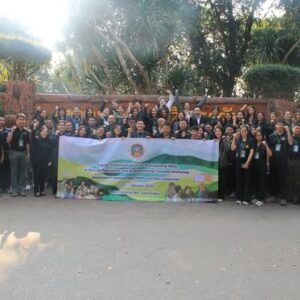
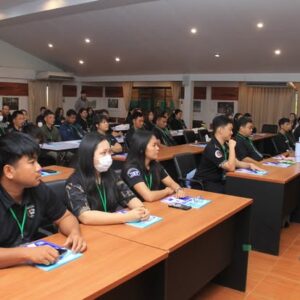
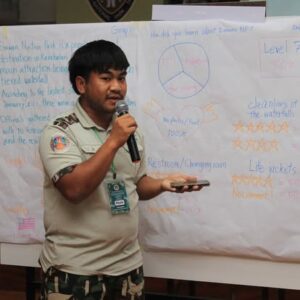
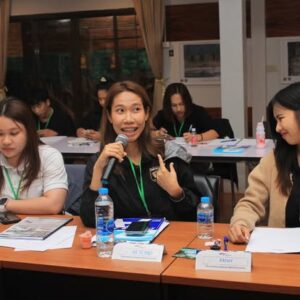
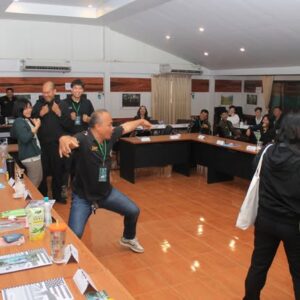
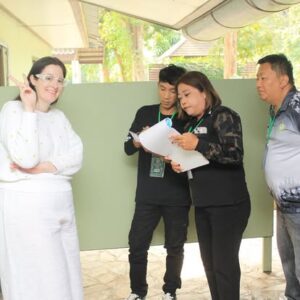
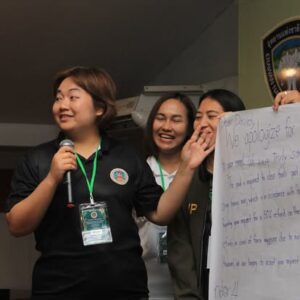
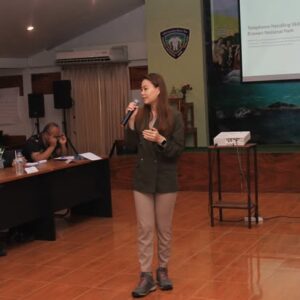
Sripatum University International College continued its commitment to supporting public-sector development by organising the “English Communication for Professional Work in Natural Resources and Environmental Tourism Workshop” for personnel at Erawan National Park, Kanchanaburi.
Held from 18–25 January 2026, the programme was designed to strengthen the practical English communication skills needed in environmental tourism and national park operations. With Erawan National Park welcoming visitors from many countries, effective communication plays an important role in delivering safe, professional, and memorable tourism experiences.
Building Confidence Through Practical Communication
The workshop focused primarily on developing participants’ English listening and speaking abilities. Rather than concentrating only on grammar and classroom theory, the programme encouraged participants to use English in situations they are likely to experience during their daily work.
Topics included welcoming international visitors, providing directions, explaining park regulations, introducing natural attractions, sharing eco-tourism information, answering common questions, and assisting tourists in a clear and professional manner.
Participants also practised how to communicate safety instructions and respond appropriately when visitors require assistance. These skills are especially important in a national park environment, where staff may need to provide urgent information, manage unexpected situations, or guide visitors through unfamiliar areas.
By practising useful vocabulary and realistic conversations, participants became more confident in communicating with people from different cultural and linguistic backgrounds.
Learning Through Real-World Scenarios
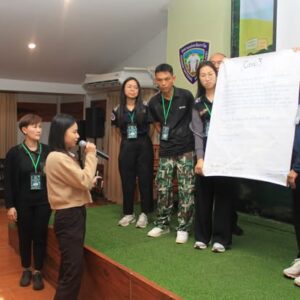
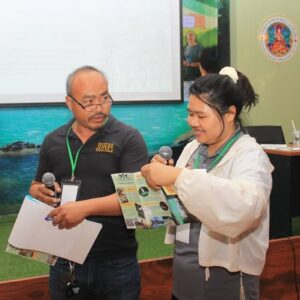
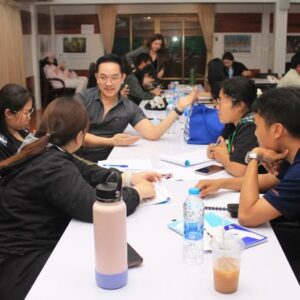
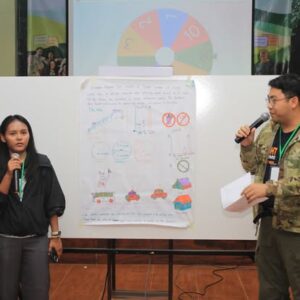
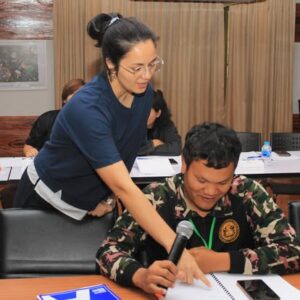
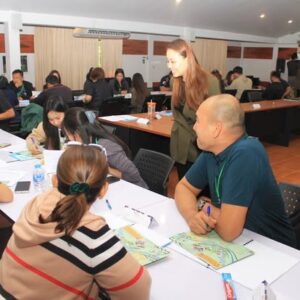
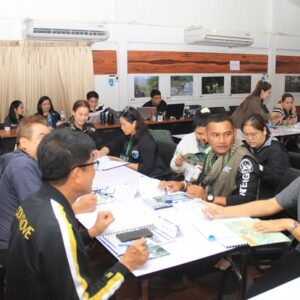
A central feature of the programme was its interactive and practical approach. SPUIC faculty members guided participants through role-playing activities, group discussions, communication exercises, and simulated visitor-service situations.
These activities allowed participants to apply new vocabulary and expressions immediately. They practised conversations between park staff and international tourists, including checking visitor needs, explaining routes, giving environmental guidance, responding to complaints, and managing situations requiring clear safety communication.
The supportive atmosphere encouraged participants to speak without being afraid of making mistakes. As the programme progressed, they became increasingly willing to communicate, ask questions, and participate in practical exercises.
This hands-on learning approach helped transform English from an academic subject into a practical professional tool that could be used directly in the workplace.
Strengthening Environmental Tourism Services
Effective communication is an important part of sustainable tourism. National park personnel are not only responsible for assisting visitors but also for communicating messages about environmental protection, responsible behaviour, and the conservation of natural resources.
Through the workshop, participants developed the ability to explain how visitors can enjoy the park while respecting its environment. This included communicating guidance on waste disposal, wildlife protection, permitted activities, visitor safety, and responsible use of natural areas.
Improved English communication can therefore support both tourism services and environmental conservation. When visitors clearly understand park regulations and sustainability guidelines, they are better prepared to behave responsibly and contribute to the protection of the park.
Supporting Thailand’s Tourism Workforce
The programme also contributed to the professional development of public-sector personnel working in tourism and natural resource management.
English communication skills can improve service quality, increase staff confidence, and strengthen the overall experience of international visitors. These abilities are especially valuable as Thailand continues to welcome travellers from diverse countries and cultural backgrounds.
By improving their professional communication, Erawan National Park personnel are better equipped to represent Thailand positively, provide accurate information, and create a welcoming environment for visitors.
The workshop demonstrated how universities can use academic expertise to support workforce development beyond the campus. It also showed the value of cooperation between educational institutions and public organisations in responding to real professional needs.
Creating Long-Term Community Impact
The benefits of the programme extend beyond the training period itself. Participants can continue applying the language skills, service techniques, and communication strategies learned during the workshop in their everyday work.
They can also share useful expressions and practices with colleagues, helping strengthen communication standards across their teams. In this way, the programme can create a wider and more sustainable impact within the organisation.
The collaboration between SPUIC and Erawan National Park reflects a shared commitment to education, public service, professional development, and sustainable tourism. By combining academic knowledge with practical workplace needs, the initiative contributed to stronger tourism services and more meaningful engagement with international visitors.
Moving Toward Globally Minded Eco-Tourism
The progress shown by participants throughout the programme reflected their determination to improve and adapt to the demands of international tourism.
As their confidence developed, participants became better prepared to communicate information clearly, respond to visitor needs, and represent the values of Erawan National Park professionally.
SPUIC remains committed to providing educational programmes that strengthen Thailand’s workforce and support organisations serving the wider community. Through initiatives such as this workshop, the university continues to connect academic expertise with real-world impact.
The programme was not only about improving English. It was about empowering public-sector personnel, strengthening international communication, supporting environmental tourism, and helping ensure that every visitor leaves with a positive and lasting impression of Thailand.