เมื่อรั้วมหาวิทยาลัยเชื่อมต่อโลกธุรกิจอย่างไร้รอยต่อ มหาวิทยาลัยศรีปทุม จับมือ สำนักงานส่งเสริมเศรษฐกิจดิจิทัล (depa) ยกระดับทักษะ AI และนวัตกรรมดิจิทัล สร้างโอกาสเติบโตทางเศรษฐกิจควบคู่ความยั่งยืนของอุตสาหกรรมไทย
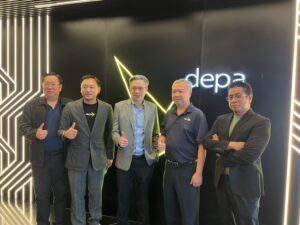
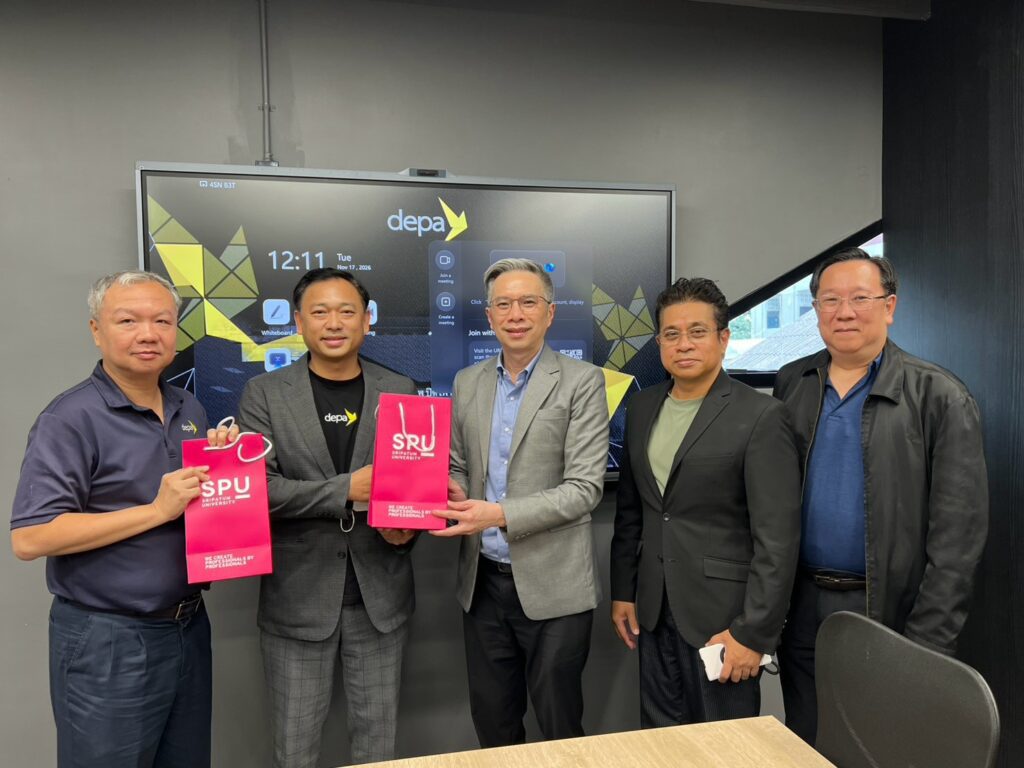
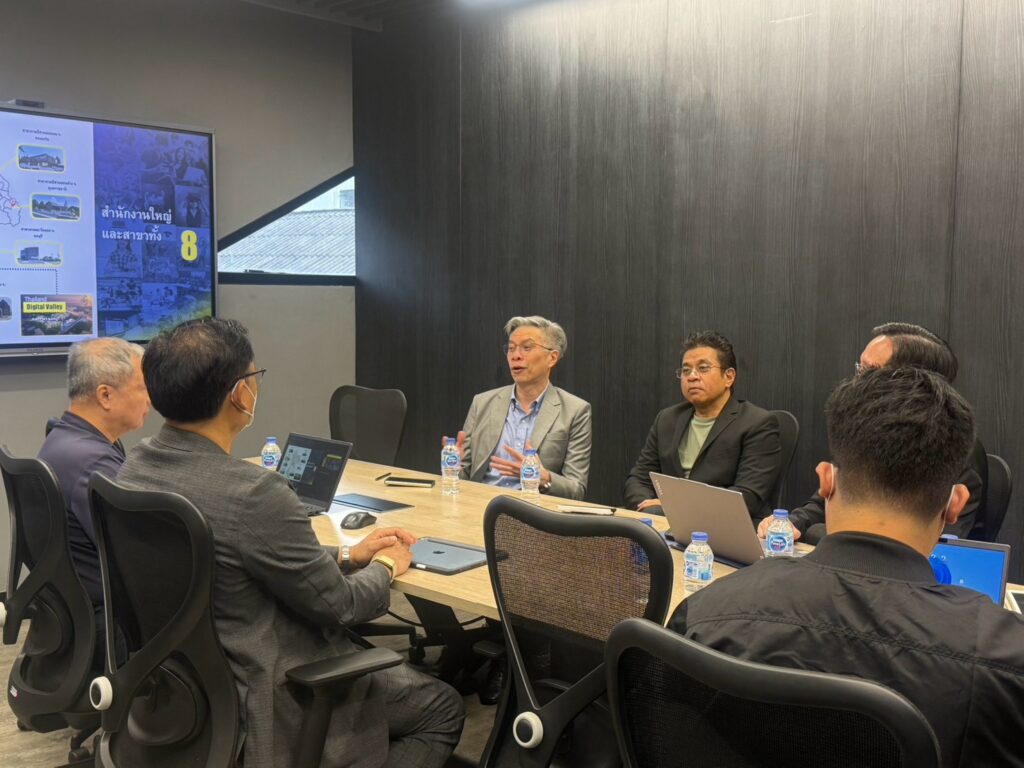
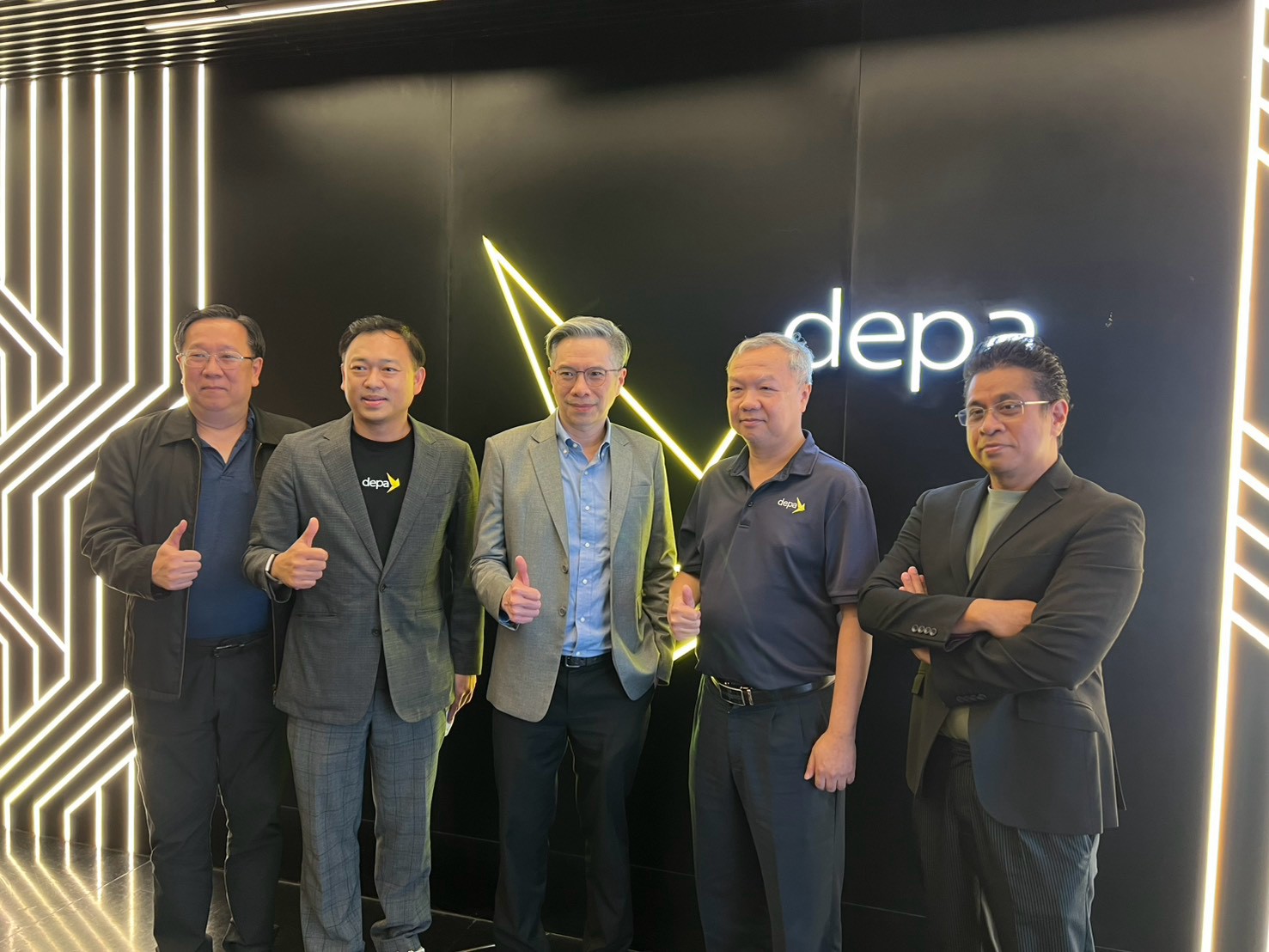
ในยุคที่ปัญญาประดิษฐ์และเทคโนโลยีดิจิทัลกำลังพลิกโฉมโลกการทำงาน การสร้างสะพานเชื่อมระหว่างองค์ความรู้ในสถาบันอุดมศึกษากับความต้องการจริงของภาคอุตสาหกรรมคือหัวใจสำคัญของการพัฒนาประเทศ ล่าสุด ณ สำนักงานส่งเสริมเศรษฐกิจดิจิทัล (depa) กรุงเทพมหานคร คณะผู้บริหารมหาวิทยาลัยศรีปทุม นำโดย ผศ.ดร.ชลธิศ เอี่ยมวรวุฒิกุล รองอธิการบดี พร้อมด้วย ผศ.ดร.กมล จิราพงษ์ คณบดีคณะดิจิทัลมีเดีย และอาจารย์ชัชวาลย์ วรวิทย์รัตนกุล ผู้ช่วยคณบดีฝ่ายกิจการพิเศษ ได้เข้าพบ ดร.จักกนิตต์ คณานุรักษ์ ผู้อำนวยการฝ่ายส่งเสริมการพัฒนากำลังคนดิจิทัล เพื่อหารือและสรุปแนวทางความร่วมมือเชิงยุทธศาสตร์ในการขับเคลื่อนกำลังคนดิจิทัลและยกระดับขีดความสามารถของภาคธุรกิจไทยอย่างเป็นรูปธรรม
จุดเริ่มต้นของการสร้างระบบนิเวศดิจิทัลครั้งนี้ คือการบ่มเพาะเมล็ดพันธุ์ตั้งแต่วัยเยาว์ ผ่านการยกระดับโครงการแข่งขัน Coding ระดับประเทศที่ดำเนินการมาอย่างต่อเนื่องตั้งแต่ปี 2018 เข้าสู่โจทย์การแข่งขันยุคใหม่ภายใต้แนวคิด Physical AI, Smart Industry, Health & Longevity และ Environment โดยคณาจารย์และผู้เชี่ยวชาญจากมหาวิทยาลัยศรีปทุมจะร่วมเป็นวิทยากรหลักและลงพื้นที่ให้คำปรึกษาเชิงเทคนิค (Coaching) แก่ครูและนักเรียนทั่วประเทศ พร้อมช่วยวางรากฐานการสะสมผลงาน (Portfolio) เพื่อต่อยอดสู่การศึกษาต่อในระดับอุดมศึกษา สะท้อนถึงการขยายโอกาสทางการศึกษาและการเรียนรู้ตลอดชีวิต (SDG 4: Quality Education — SDG 4.3 Lifelong learning measures และ SDG 4.3.4 Education outreach activities beyond campus)
สำหรับภาคธุรกิจและคนวัยทำงาน ความร่วมมือนี้ได้ปลดล็อกข้อจำกัดด้านการพัฒนาทักษะผ่านการนำหลักสูตรอบรมระยะสั้น (Reskill / Upskill) ของมหาวิทยาลัย อาทิ AI for Work, AI for Business, AI for Logistics, AI for Law, Data Transformation และ Cyber Security เข้าขึ้นทะเบียนในระบบ Thailand Digital Skill Roadmap ซึ่งเปิดโอกาสให้องค์กรเอกชนที่ส่งบุคลากรเข้ารับการอบรมสามารถนำค่าใช้จ่ายไปลดหย่อนภาษีได้ถึง 250% และหากรับผู้ที่ผ่านการอบรมเข้าทำงานยังได้รับสิทธิ์ลดหย่อนภาษีค่าจ้างแรงงานอีก 150% เป็นระยะเวลา 12 เดือน การเชื่อมโยงหลักสูตรฝึกอบรมวิชาชีพสู่ตลาดแรงงานเช่นนี้ช่วยส่งเสริมการเติบโตทางเศรษฐกิจและการจ้างงานที่มีคุณค่า (SDG 4.3.3 Vocational training events และ SDG 8: Decent Work and Economic Growth — SDG 8.4 Proportion of students taking work placements)
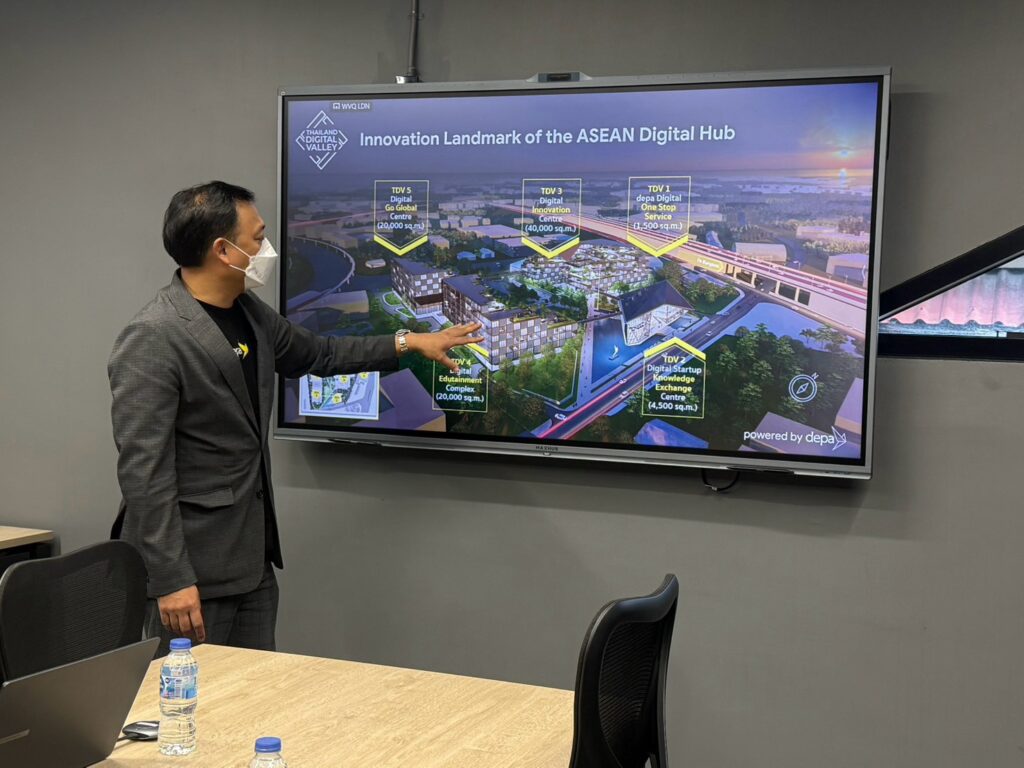
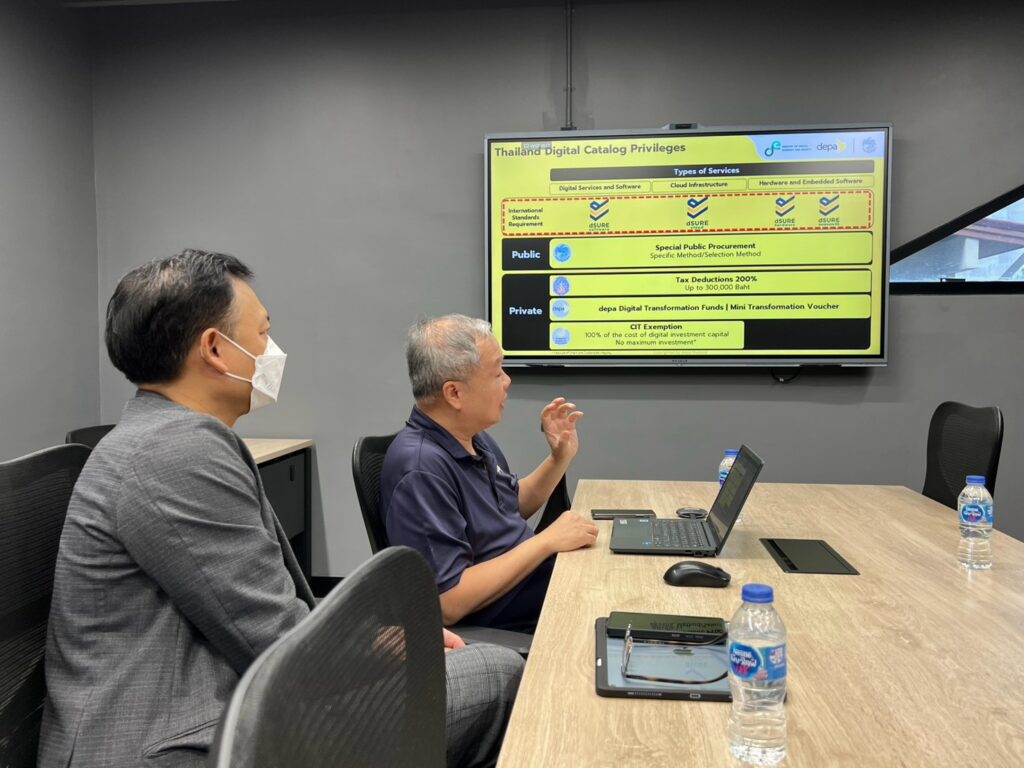
ขณะเดียวกัน ผลงานนวัตกรรม ซอฟต์แวร์ และแอปพลิเคชันที่พัฒนาโดยอาจารย์ นักศึกษา และสตาร์ทอัพของมหาวิทยาลัยศรีปทุม จะได้รับการผลักดันเข้าสู่บัญชีบริการดิจิทัล (Digital Catalog) ของ depa เพื่อรับรองมาตรฐานและสร้างแต้มต่อทางการค้า ช่วยให้ภาคเอกชนที่จัดซื้อได้รับสิทธิ์ลดหย่อนภาษี 200% และเปิดประตูสู่การจัดซื้อจัดจ้างภาครัฐ นอกจากนี้ ทั้งสองหน่วยงานยังเตรียมใช้พื้นที่ Thailand Digital Valley ในเขตพัฒนาพิเศษภาคตะวันออก (EEC) อำเภอศรีราชา จังหวัดชลบุรี เป็นพื้นที่แซนด์บ็อกซ์นวัตกรรม (Sandbox) ร่วมกับภาคอุตสาหกรรม ตั้งแต่ศูนย์พัฒนาสตาร์ทอัพ สนามแข่งขันโดรน ไปจนถึง Esports Stadium เพื่อสร้างระบบนิเวศแห่งนวัตกรรมที่แข็งแกร่ง (SDG 9: Industry, Innovation and Infrastructure — SDG 9.3 University spin-offs และ SDG 9.4 Research income from industry and commerce)
ความร่วมมือดังกล่าวยังต่อยอดไปสู่การพัฒนานวัตกรรม AI เฉพาะสาขาที่ตอบโจทย์สังคมและสิ่งแวดล้อมอย่างลึกซึ้ง ไม่ว่าจะเป็นหลักสูตรผู้บริหารระดับสูงด้าน Health Tech และ Smart City การพัฒนาสื่อดิจิทัลและเกมเพื่อสื่อสารข้อมูลสุขภาพร่วมกับโรงพยาบาลจุฬาภรณ์ (SDG 3: Good Health and Well-being — SDG 3.3 Collaborations and health services และ SDG 3.3.1 Current collaborations with health institutions) ไปจนถึงการพัฒนา AI Agent เพื่อประเมินการปล่อยคาร์บอนฟุตพริ้นท์และจัดทำรายงานมาตรฐาน ESG สำหรับองค์กรและ SME ซึ่งช่วยให้ภาคธุรกิจรับมือกับการเปลี่ยนแปลงสภาพภูมิอากาศได้อย่างมีประสิทธิภาพ (SDG 13: Climate Action — SDG 13.3 Environmental education measures และ SDG 13.3.4 Inform and support government)
ทั้งหมดนี้ขับเคลื่อนผ่านพลังความร่วมมือระหว่างสถาบันอุดมศึกษา ภาครัฐ และภาคเอกชน (SDG 17: Partnerships for the Goals — SDG 17.2 Relationships to support the goals และ SDG 17.2.2 Cross sectoral dialogue about SDGs) ที่ไม่เพียงสร้างความพร้อมด้านเทคโนโลยี แต่ยังวางรากฐานเศรษฐกิจดิจิทัลที่เติบโตอย่างยั่งยืนให้กับประเทศไทยในระยะยาว
Sripatum University Partners with depa to Drive AI Workforce Development and Unlock Up to 250% Tax Incentives for Businesses
Bridging Academia and Industry: Sripatum University and the Digital Economy Promotion Agency (depa) Join Forces to Elevate AI Capabilities, Foster Innovation Ecosystems, and Accelerate Sustainable Economic Growth in Thailand
In an era where artificial intelligence and digital technologies are rapidly reshaping the global workplace, building a seamless bridge between higher education expertise and real-world industry demands is vital for national progress. At the Digital Economy Promotion Agency (depa) headquarters in Bangkok, Sripatum University (SPU) executives—led by Asst. Prof. Dr. Choltis Eamvorawutthikul, Vice President; Asst. Prof. Dr. Kamol Jirapong, Dean of the School of Digital Media; and Ajarn Chatchawan Worawitratanakul, Assistant Dean for Special Affairs—met with Dr. Jakkanit Kananurak, Director of the Digital Manpower Development Promotion Department at depa, to finalize a strategic partnership aimed at advancing digital workforce capabilities and strengthening Thai business competitiveness.
This collaboration begins by nurturing young talent through the expansion of a national coding competition running since 2018 into new frontiers, including Physical AI, Smart Industry, Health & Longevity, and Environment. SPU faculty and specialists will serve as lead trainers, providing hands-on technical coaching to school teachers and students nationwide while helping youth build strong portfolios for higher education pathways. This outreach exemplifies inclusive educational support beyond campus boundaries (SDG 4: Quality Education — SDG 4.3 Lifelong learning measures and SDG 4.3.4 Education outreach activities beyond campus).
For businesses and working professionals, the initiative removes barriers to workforce transformation by registering SPU’s intensive reskilling and upskilling courses—such as AI for Work, AI for Business, AI for Logistics, AI for Law, Data Transformation, and Cyber Security—into depa’s Thailand Digital Skill Roadmap. Private companies sending staff to these certified programs gain a 250% corporate tax deduction, while employers hiring certified graduates receive a 150% tax deduction on wages for 12 months. By aligning vocational training with labor market needs, this framework fosters productive employment and sustainable economic growth (SDG 4.3.3 Vocational training events and SDG 8: Decent Work and Economic Growth — SDG 8.4 Proportion of students taking work placements).
Simultaneously, software, applications, and digital products created by SPU faculty, students, and university startups will be fast-tracked into depa’s Digital Catalog. Registered solutions gain official quality certification, enabling private-sector buyers to claim a 200% tax deduction and unlocking special public-sector procurement opportunities. Both organizations also plan to leverage the Thailand Digital Valley in the Eastern Economic Corridor (EEC) in Sri Racha, Chonburi, as an innovation sandbox featuring startup incubators, drone arenas, and an esports stadium to co-create solutions with local industries (SDG 9: Industry, Innovation and Infrastructure — SDG 9.3 University spin-offs and SDG 9.4 Research income from industry and commerce).
Furthermore, the partnership drives sector-specific AI applications addressing pressing social and environmental challenges. Initiatives include C-level executive programs on Health Tech and Smart Cities, digital media and serious games developed with Chulabhorn Hospital to communicate vital health knowledge (SDG 3: Good Health and Well-being — SDG 3.3 Collaborations and health services and SDG 3.3.1 Current collaborations with health institutions), and an AI Agent designed to calculate carbon footprints and generate ESG reports for organizations and SMEs (SDG 13: Climate Action — SDG 13.3 Environmental education measures and SDG 13.3.4 Inform and support government).
Anchored in cross-sectoral collaboration among academia, government, and industry (SDG 17: Partnerships for the Goals — SDG 17.2 Relationships to support the goals and SDG 17.2.2 Cross sectoral dialogue about SDGs), this alliance equips Thailand with future-ready digital talent while laying a resilient foundation for sustainable innovation.
#SPU #SPUSDGs #DigitalThailand #AIInnovation #FutureWorkforce
#SPU #SPUSDGs #DigitalThailand #AIInnovation #FutureWorkforce