
At Sripatum University (SPU), meaningful collaboration with local stakeholders is not an occasional gesture—it is a structured part of how the university makes decisions and shapes its future.
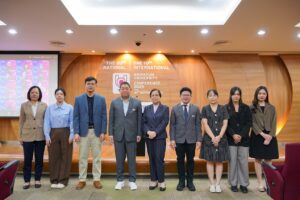
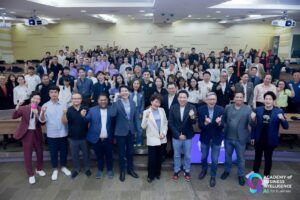
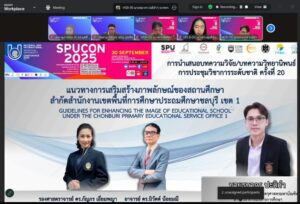
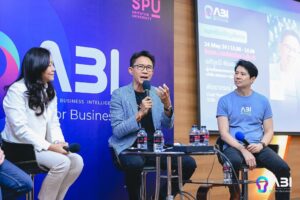
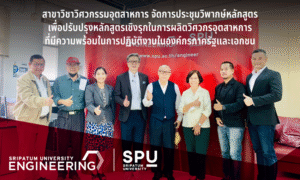 Sripatum University (SPU) promotes inclusive governance by ensuring that local residents, community representatives, government agencies, professional associations, alumni, and industry partners have a voice in institutional decision-making. Through formal structures such as curriculum advisory boards, academic quality assurance committees, and partnership networks, these external stakeholders contribute insights that strengthen SPU’s programs, policies, and community engagement strategies.
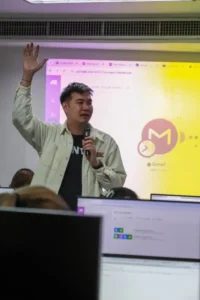 This participatory model ensures that SPU’s curricula remain responsive to labor market demands while aligning with social and cultural contexts. For instance, advisory meetings with industry experts guide curriculum revisions, while alumni and employer feedback inform graduate outcome assessments. Additionally, collaborations with local organizations and public bodies help shape initiatives that foster community well-being and sustainability.
By institutionalizing stakeholder participation, SPU transforms dialogue into shared action—creating an ecosystem of cooperation where education, innovation, and social responsibility move forward together.
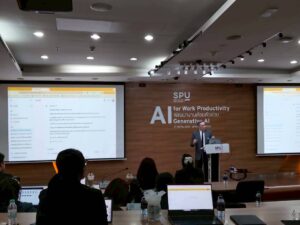 SPU’s participatory approach ensures that every decision reflects the perspectives of those it serves. This culture of collaboration not only enhances the university’s governance but also reinforces its mission to drive community-centered and sustainable development.
#SPUSDGs #StakeholderEngagement #InclusiveGovernance #CommunityPartnership #SustainableDevelopment
สร้างสะพานแห่งความร่วมมือ: SPU เสริมพลังการตัดสินใจด้วยการมีส่วนร่วมจากผู้มีส่วนได้ส่วนเสีย
ที่มหาวิทยาลัยศรีปทุม (SPU) การมีส่วนร่วมของผู้มีส่วนได้ส่วนเสียในท้องถิ่นไม่ใช่เพียงกิจกรรมเสริม แต่เป็นกระบวนการสำคัญที่ผนวกอยู่ในทุกขั้นตอนของการตัดสินใจและการพัฒนาองค์กร
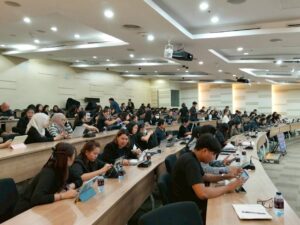
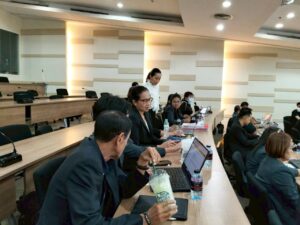
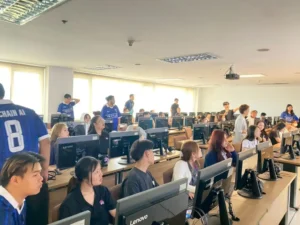
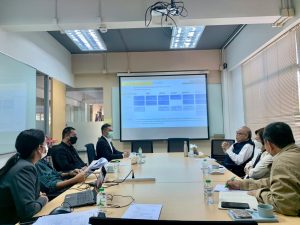
มหาวิทยาลัยศรีปทุม (SPU) ส่งเสริมการบริหารจัดการแบบมีส่วนร่วม โดยเปิดโอกาสให้ประชาชนในท้องถิ่น หน่วยงานภาครัฐ สมาคมวิชาชีพ ศิษย์เก่า และภาคอุตสาหกรรม ได้มีส่วนร่วมในการกำหนดทิศทางการดำเนินงานของมหาวิทยาลัย ผ่านกลไกที่เป็นทางการ เช่น คณะกรรมการที่ปรึกษาหลักสูตร คณะกรรมการประกันคุณภาพการศึกษา และเครือข่ายพันธมิตรทางวิชาการ
การมีส่วนร่วมนี้ช่วยให้ SPU สามารถพัฒนาหลักสูตรที่ตอบสนองต่อความต้องการของตลาดแรงงานและสังคม ขณะเดียวกันยังสร้างโอกาสในการพัฒนานโยบายและกิจกรรมเพื่อประโยชน์ของชุมชนและความยั่งยืน
SPU เชื่อว่าการเปิดพื้นที่ให้ทุกภาคส่วนได้มีเสียงสะท้อน คือหัวใจของการพัฒนาอย่างแท้จริง ที่จะนำพาการศึกษาและสังคมให้เติบโตไปด้วยกันอย่างมั่นคงและยั่งยืน
การมีส่วนร่วมของผู้มีส่วนได้ส่วนเสียช่วยให้การตัดสินใจของ SPU สะท้อนความต้องการของสังคมได้อย่างแท้จริง และยืนยันถึงความมุ่งมั่นของมหาวิทยาลัยในการพัฒนาที่ตั้งอยู่บนความร่วมมือและความยั่งยืน
#SPUSDGs #StakeholderEngagement #InclusiveGovernance #CommunityPartnership #SustainableDevelopment