
At Sripatum University, each year starts with an audit and ends with measurable savings. A structured energy efficiency plan is quietly reshaping how the campus cools, lights and runs its buildings.
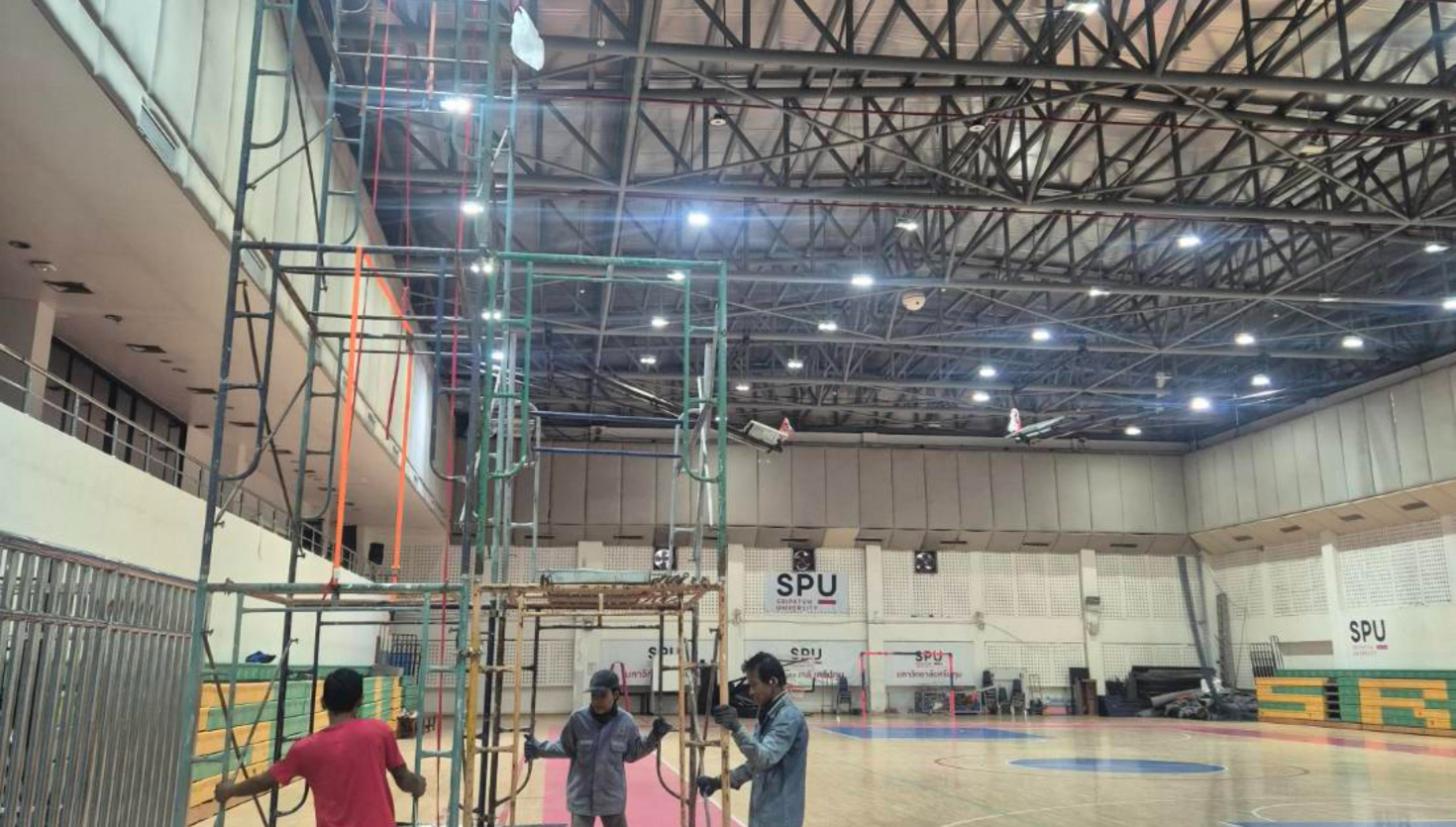
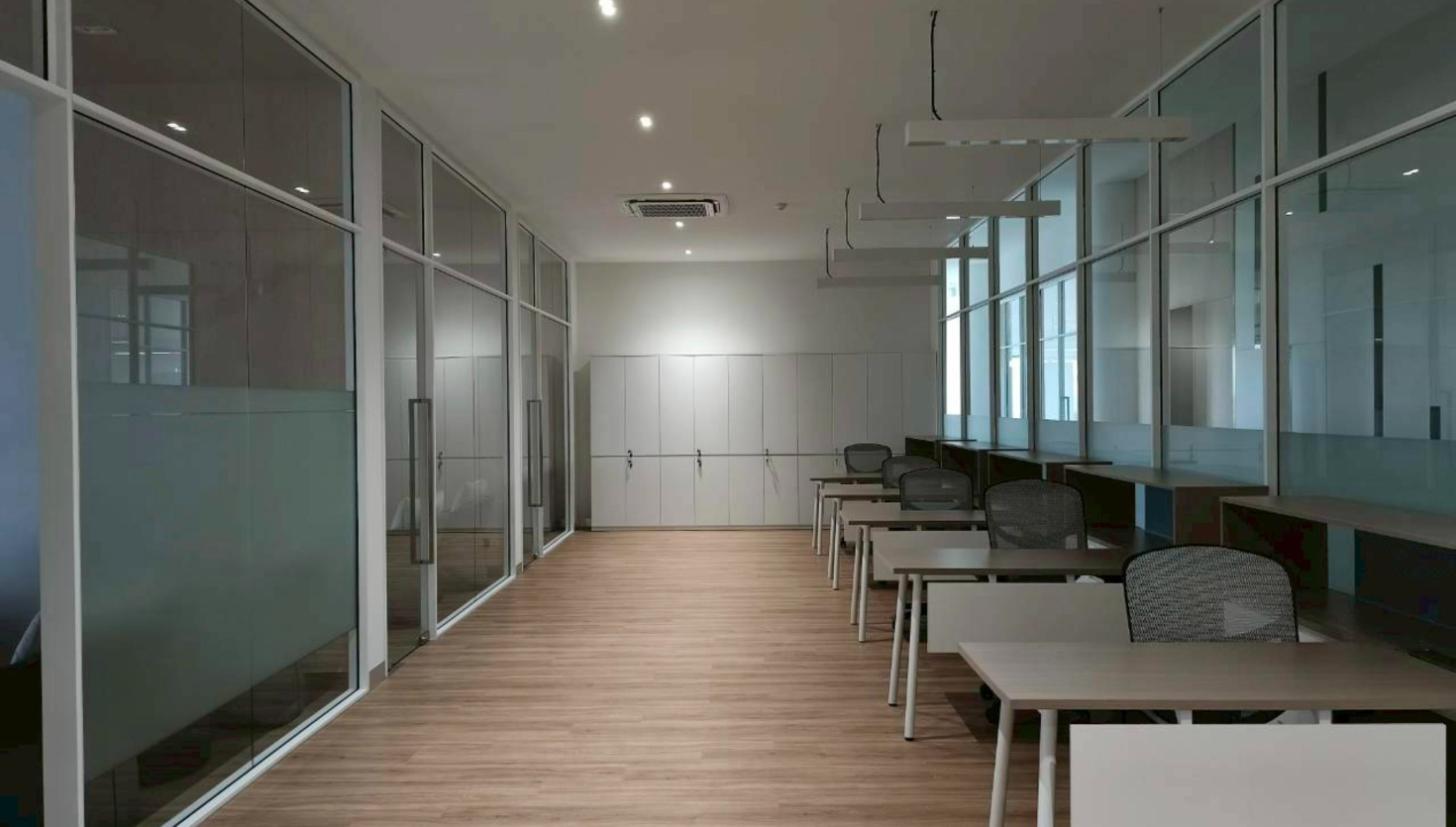 Sripatum University (SPU) manages energy as a planned, accountable system rather than a series of one-off fixes. Its annual Energy Conservation Plan follows the 8-step energy management process required of designated buildings under Thailand’s Energy Conservation Promotion Act. The plan is led by the Energy Management Working Group and the Office of Buildings and Facilities, with registered energy managers overseeing the work. Each cycle starts by measuring how much energy every building and major system uses. The audit shows air-conditioning as by far the largest load, followed by lighting, so the plan concentrates investment where it delivers the greatest savings.
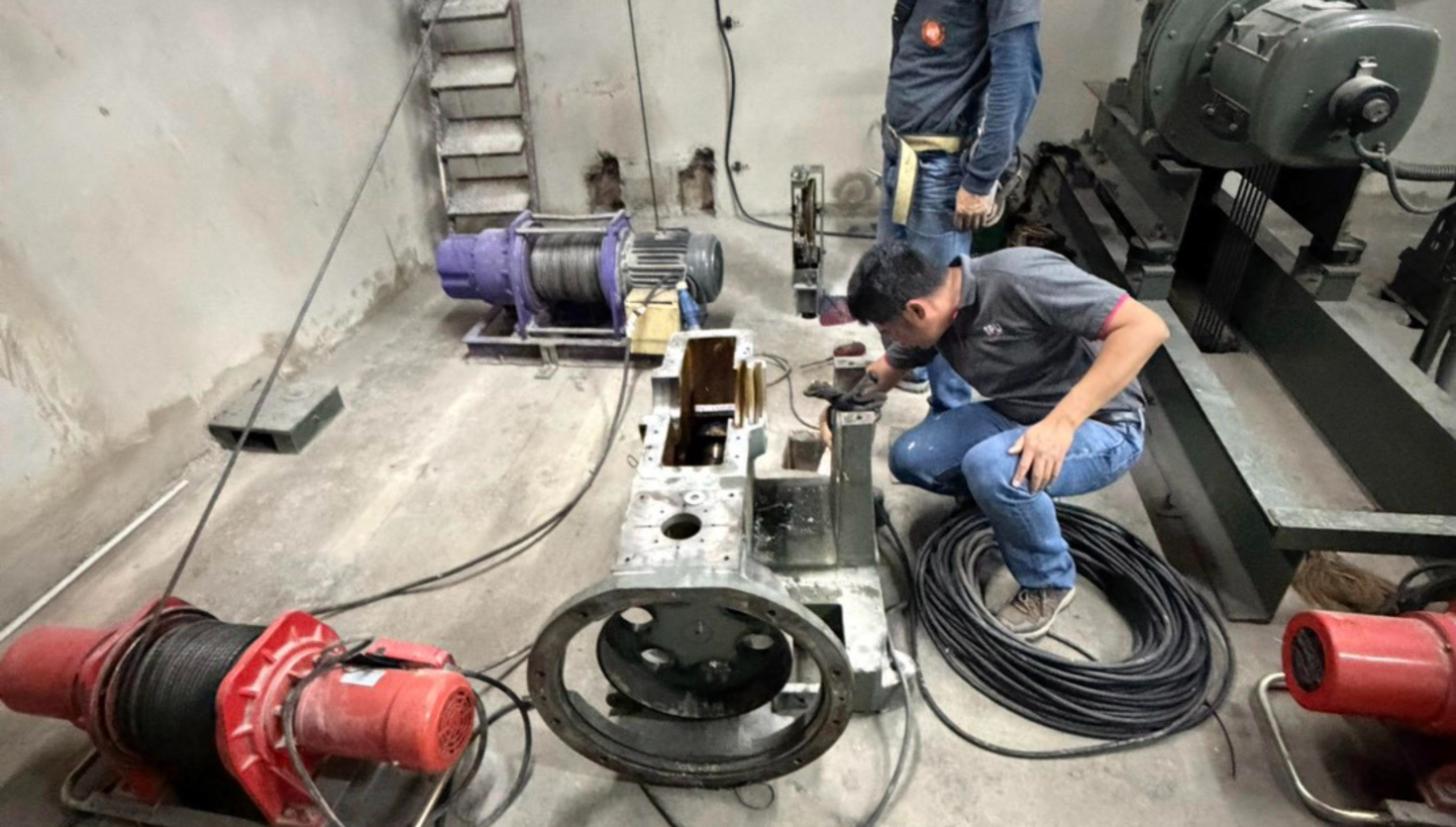
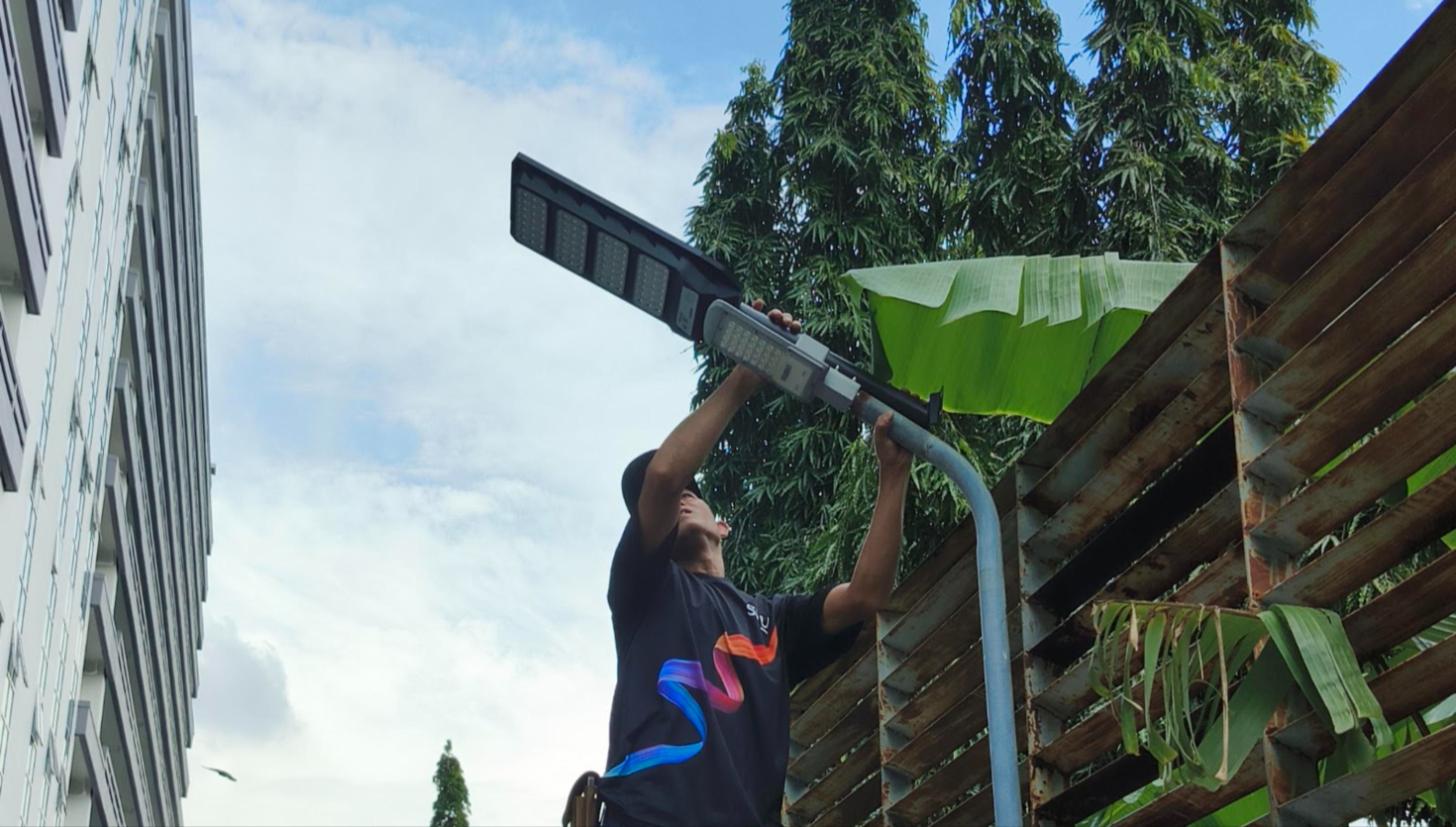
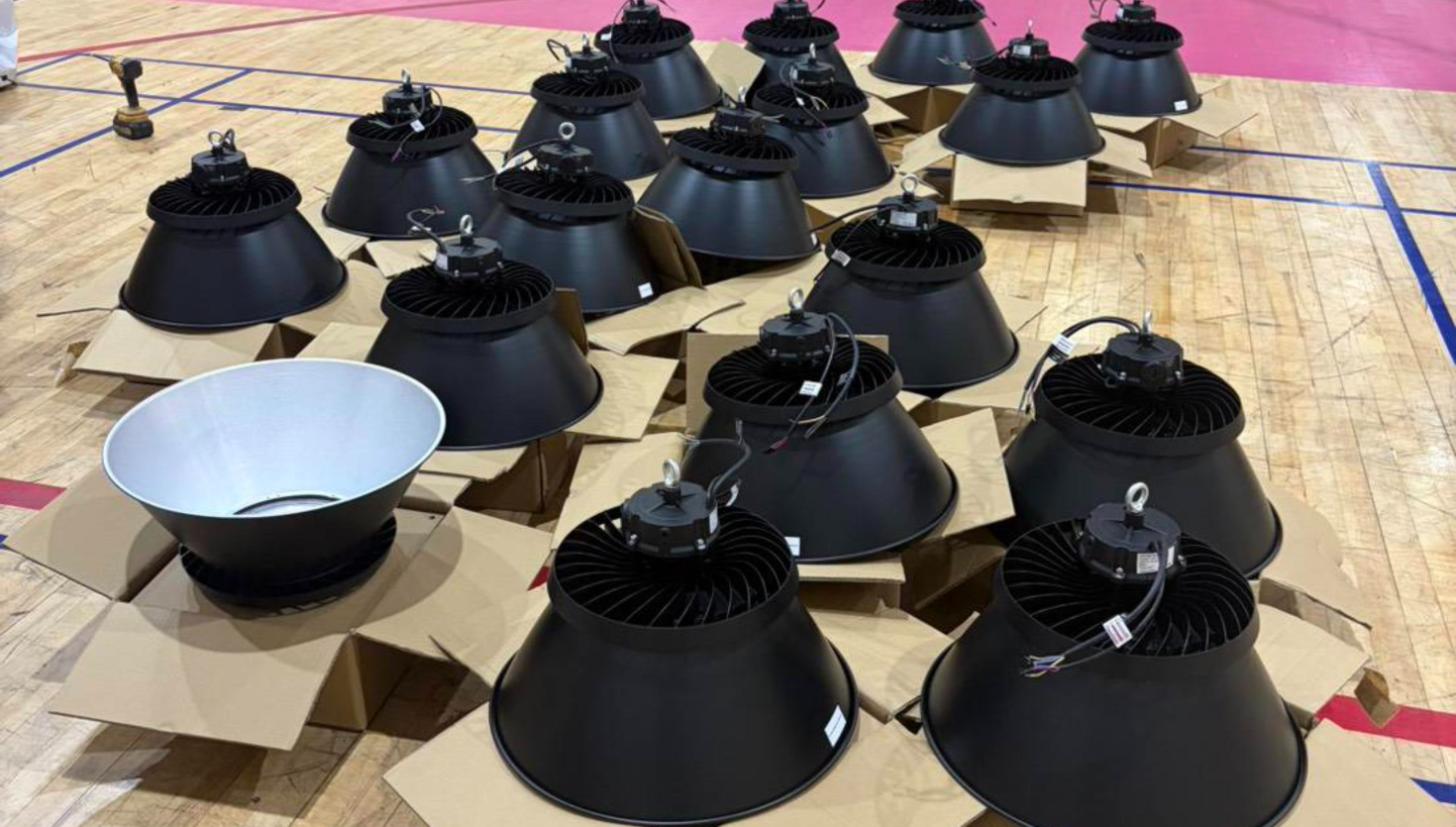
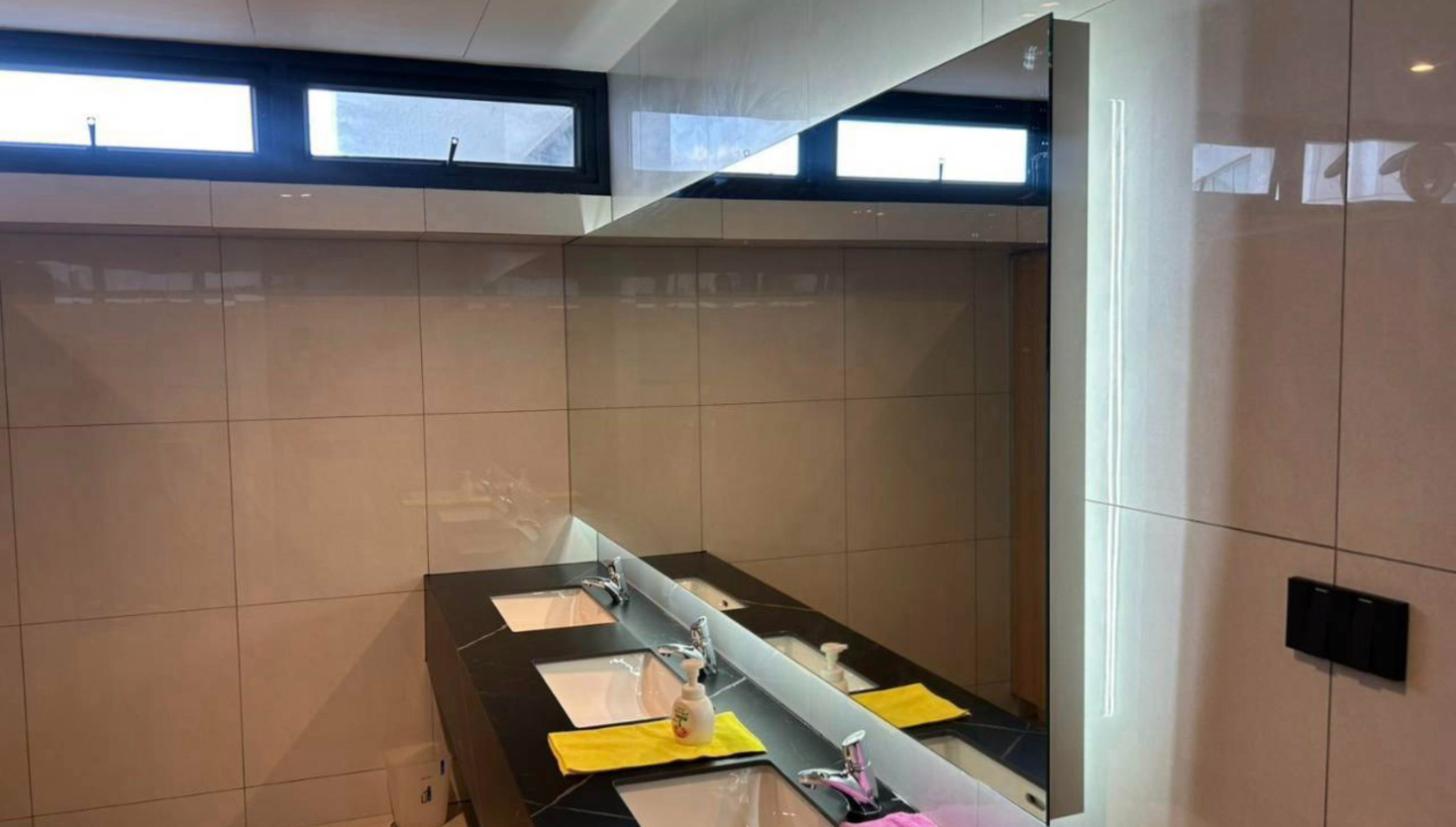
The 2025 plan set a university-wide reduction target and turned it into costed measures, each with a named owner, a schedule and a method for verifying savings. Its flagship measure, completed between March and June 2025, replaced an ageing central air-conditioning unit on the 10th floor of Building 9 with high-efficiency units. This one change is expected to save around 32,700 kWh of electricity a year. The same approach now extends to zoned air-conditioning systems with lower installed capacity in Building 1 and Building 5, and to occupancy-sensor lighting in Building 1 restrooms. Alongside the equipment upgrades, an energy conservation course for students and a participatory energy-saving campaign for staff build everyday habits across campus. An internal audit team reviews performance, and management signs off each annual review in line with the national reporting cycle.
Energy is managed as a planned, accountable system rather than a series of one-off fixes.
The results go well beyond the plan’s modest target. According to SPU’s 2025 energy management data, campus electricity use fell by roughly 13% compared with 2024, with the energy used per square metre of floor space dropping in step. This lowers operating costs and the carbon emissions linked to grid electricity, contributing directly to the global goal of affordable and clean energy and to the efficient-campus ambitions of SPU’s Alpha Ready Roadmap. The next step is to keep the improvement going by adding further measures to the rolling three-year conservation plan.
At SPU, saving energy is not left to chance. It is planned, measured and reviewed every year, so that each upgrade, campaign and audit adds up to a campus that uses less energy and leaves a lighter footprint.
#SPUSustainability #EnergyEfficiency #EnergyConservation #LowCarbonCampus #GreenCampus #SPUSDGs
ม.ศรีปทุม เดินหน้าแผนลดการใช้พลังงาน เปลี่ยนผลตรวจประจำปีให้เป็นการประหยัดที่วัดผลได้
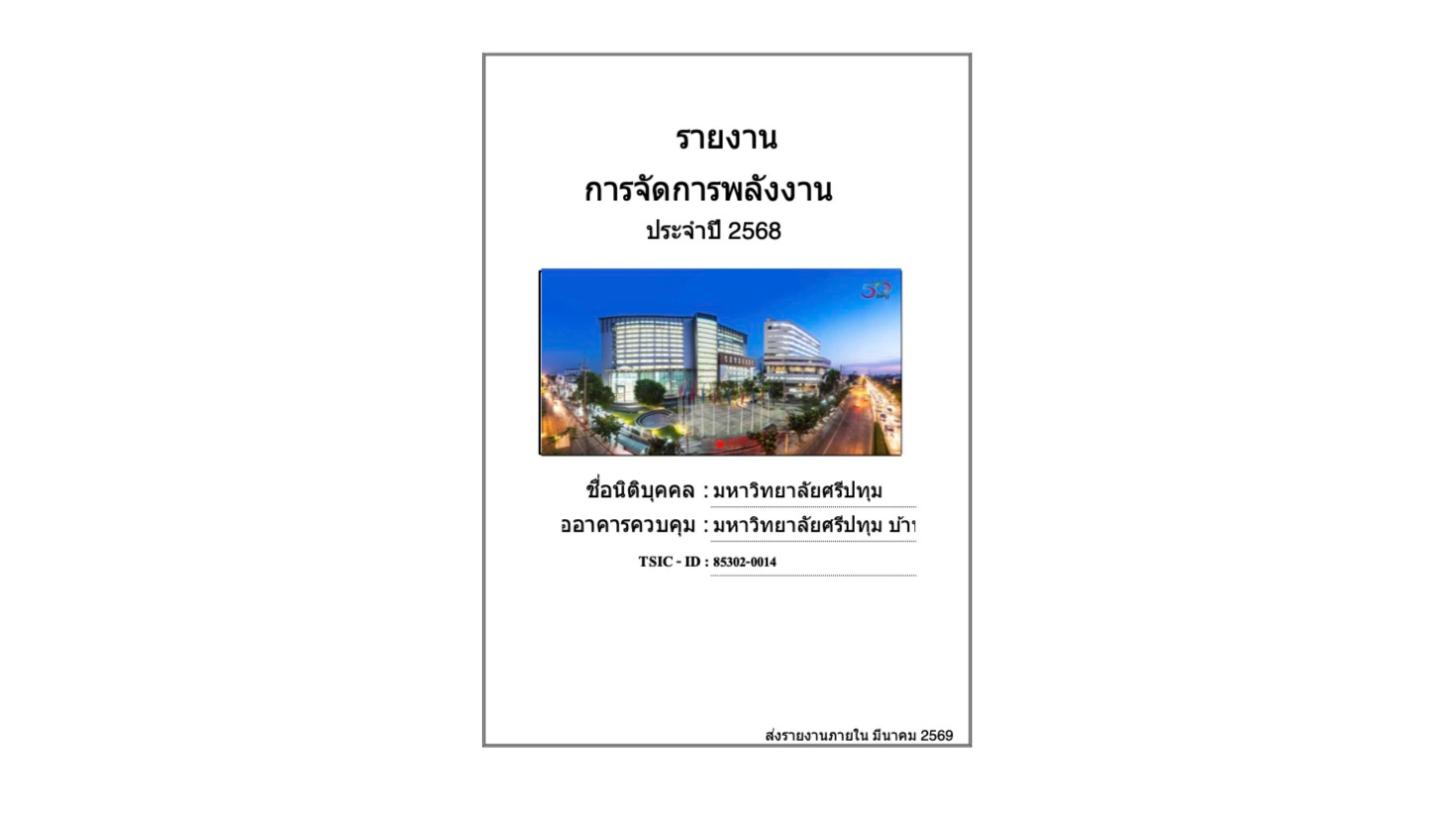 ทุกปีเริ่มด้วยการตรวจวัด และปิดท้ายด้วยผลประหยัดที่จับต้องได้ แผนเพิ่มประสิทธิภาพพลังงานอย่างเป็นระบบกำลังเปลี่ยนวิธีทำความเย็น ให้แสงสว่าง และบริหารอาคารทั่วมหาวิทยาลัย
แผนอนุรักษ์พลังงานประจำปีของมหาวิทยาลัยจัดทำตามระบบการจัดการพลังงาน 8 ขั้นตอนของอาคารควบคุมตาม พ.ร.บ.การส่งเสริมการอนุรักษ์พลังงาน มีคณะทำงานด้านการจัดการพลังงานและสำนักงานอาคารสถานที่เป็นผู้ขับเคลื่อน โดยมีผู้รับผิดชอบด้านพลังงานที่ขึ้นทะเบียนกำกับดูแล ทุกรอบเริ่มจากการประเมินการใช้พลังงานรายอาคารและรายระบบ ผลพบว่าระบบปรับอากาศใช้พลังงานมากที่สุด รองลงมาคือแสงสว่าง มหาวิทยาลัยจึงลงทุนในจุดที่ให้ผลประหยัดสูงสุดก่อน
แผนปี 2568 กำหนดเป้าหมายลดการใช้พลังงานระดับมหาวิทยาลัย แล้วแปลงเป็นมาตรการที่มีงบประมาณ ผู้รับผิดชอบ และกรอบเวลาชัดเจน มาตรการหลักคือการเปลี่ยนเครื่องปรับอากาศเก่าที่อาคาร 9 ชั้น 10 เป็นเครื่องประสิทธิภาพสูง ดำเนินการแล้วเสร็จในช่วงมีนาคม–มิถุนายน 2568 คาดว่าช่วยประหยัดไฟฟ้าได้ราว 32,700 kWh ต่อปี จากนั้นขยายผลสู่ระบบปรับอากาศแบบแบ่งโซนที่ลดขนาดทำความเย็นติดตั้งในอาคาร 1 และอาคาร 5 รวมถึงการติดตั้ง Motion Sensor ควบคุมไฟในห้องน้ำอาคาร 1
บริหารพลังงานในรูปแบบ “แผน” ที่มีเป้าหมาย ผู้รับผิดชอบ และการตรวจวัดผล ไม่ใช่การแก้ปัญหาเป็นครั้งคราว
นอกจากการปรับปรุงอุปกรณ์ มหาวิทยาลัยยังจัดหลักสูตรอบรมการอนุรักษ์พลังงานสำหรับนักศึกษา และกิจกรรมประหยัดพลังงานแบบมีส่วนร่วมของบุคลากร ผลการดำเนินงานทั้งหมดผ่านการตรวจประเมินภายในและการทบทวนของผู้บริหารทุกปี
ข้อมูลการจัดการพลังงานปี 2568 แสดงว่าการใช้ไฟฟ้าของมหาวิทยาลัยลดลงราว 13% เมื่อเทียบกับปี 2567 ซึ่งสูงกว่าเป้าหมายในแผน ค่าการใช้พลังงานต่อตารางเมตรก็ลดลงในสัดส่วนใกล้เคียงกัน ผลนี้ช่วยลดทั้งต้นทุนและการปล่อยคาร์บอนจากไฟฟ้า สอดคล้องกับเป้าหมายพลังงานสะอาดที่เข้าถึงได้ และแนวทางวิทยาเขตประสิทธิภาพสูงของแผน Alpha Ready Roadmap ก้าวต่อไปคือการเพิ่มมาตรการใหม่ในแผนอนุรักษ์พลังงานต่อเนื่อง 3 ปี
ที่ศรีปทุม การประหยัดพลังงานถูกวางแผน วัดผล และทบทวนทุกปี เพื่อให้ทุกการปรับปรุงกลายเป็นมหาวิทยาลัยที่ใช้พลังงานน้อยลงอย่างยั่งยืน
#อนุรักษ์พลังงาน #ประหยัดพลังงาน #มหาวิทยาลัยคาร์บอนต่ำ #ม.ศรีปทุม #SPUSDGs